Bagasse Pulp Trays: Industry Overview | Bioleader®

Actionable coverage of bagasse pulp trays: eco-friendly, biodegradable, compostable materials, performance data, and compliance under EN13432 & ASTM D6400. Includes BPI/TÜV references and Food-Contact Tested guidance for safe deployment. Buyer-focused: manufacturer insights, bulk/wholesale buying playbooks, OEM/ODM customization tips, full size range selection.
bagasse pulp trays — Quick Summary
  • Items displayed (articles): 12
  • Last updated: 2025-12-12
  • Includes test data, compliance guides, buyer FAQs, and real-world use cases.

Editor’s Picks: Top Bagasse Pulp Trays Guides 2026

FAQ of Bioleader's Eco-friendly Disposable Tableware

1. What are eco friendly trays with lids made from?

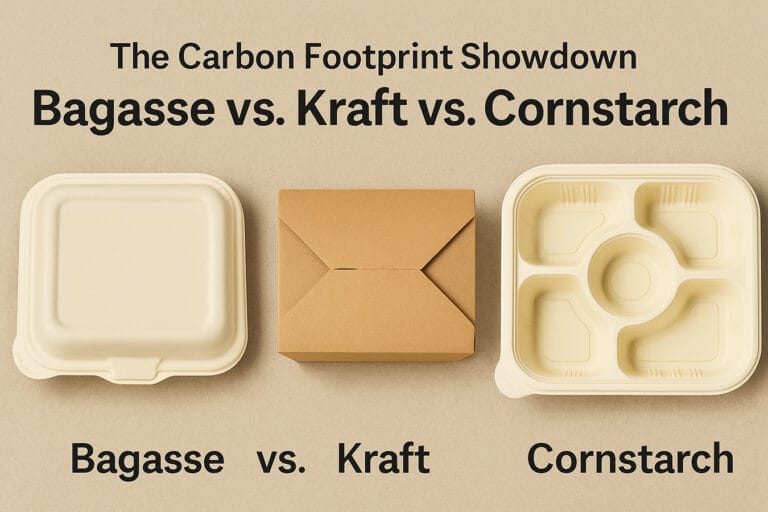
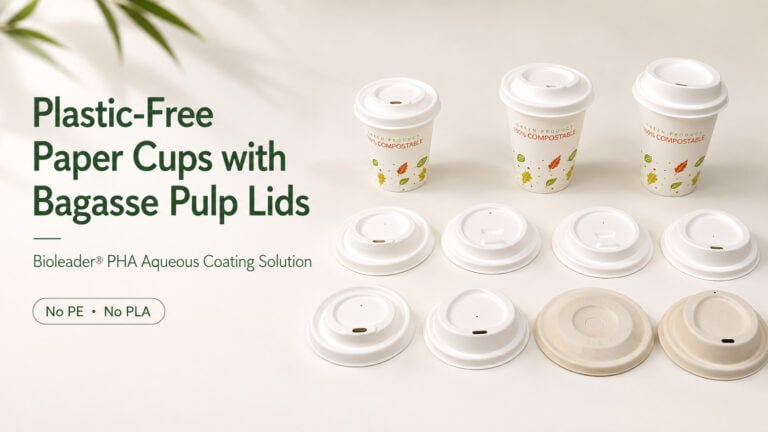
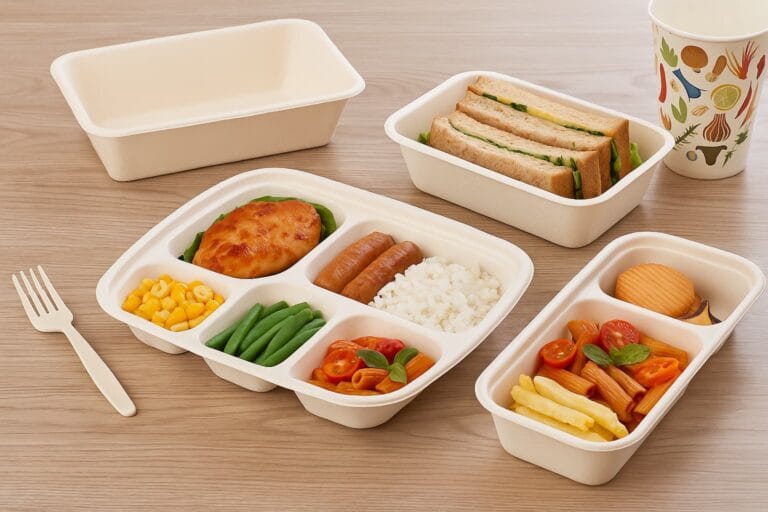
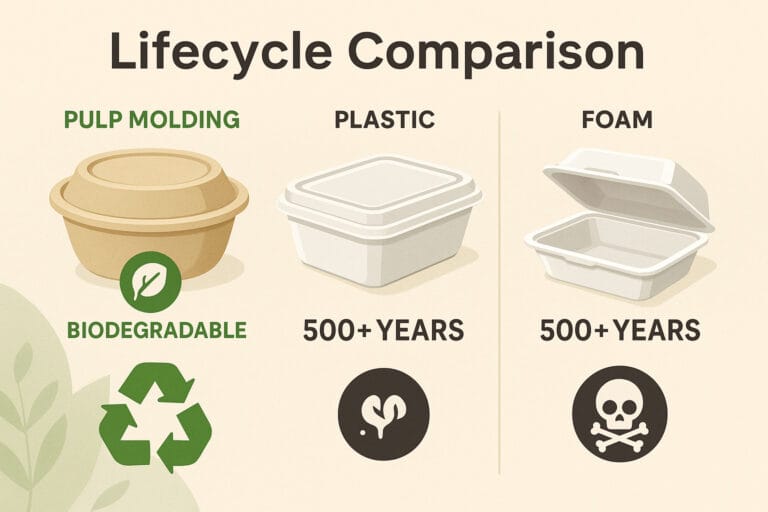
They are commonly made from compostable materials like sugarcane bagasse, bamboo fiber, kraft paper, or PLA (plant-based bioplastic). These materials are biodegradable and offer a sustainable alternative to plastic and foam trays , bagasse pulp trays.

Sturdy and Reliable Construction

Our bagasse containers are built to withstand various conditions, from hot meals to refrigeration. The durable design ensures they retain their shape and functionality, making them a trusted solution for food takeaway, delivery, and more , bagasse pulp trays. With these containers with lids, you can rely on consistent performance every time. Ideal for a Variety of Applications Our takeaway containers with lids are perfect for multiple uses, including restaurants, food packaging, takeaways, and food deliveries.

5. What certifications should I look for when buying from an eco tray factory?

Reputable factories provide certifications such as OK Compost, BPI, TÜV Austria, EN13432, FDA, and LFGB. These ensure the trays are compostable, food-safe, and compliant with international sustainability standards. Packaging Insight: Why Choose Bioleader® Eco-Friendly Trays with Lids for Sustainable Food Packaging How do Bioleader® eco-friendly trays combine performance with sustainability? Utilizing bagasse and other renewable fibers, these trays deliver sturdy, leak-resistant food packaging that withstands hot and cold meals, while being fully compostable.

What surface roughness is considered acceptable for premium molded pulp trays?

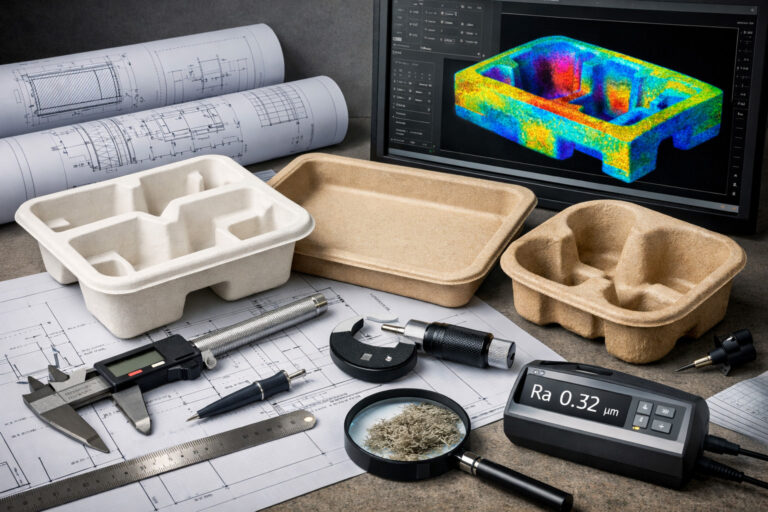
In industrial production, a surface roughness range of approximately 2.3–6 μm (Ra) is widely regarded as optimal. Below this range, visual and tactile improvements become marginal, while tooling and process complexity increase significantly — bagasse pulp trays. This range also supports direct printing and hot stamping without surface coatings.

What makes a molded pulp tray “high quality” from an engineering perspective?

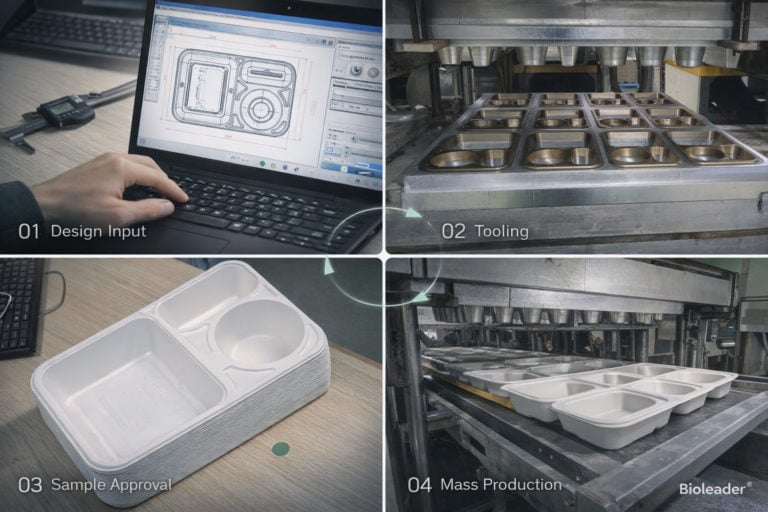
A high-quality molded pulp tray is defined by controlled surface roughness, structural stiffness, and manufacturing repeatability. These characteristics are achieved through precision tooling, optimized fiber-length architecture, controlled pulp preparation, and CTQ-regulated forming processes—not by post-treatment or coatings.

Related Insights

🚀Ready to Go Green and Choose ?

Join the global movement toward zero-waste packaging.


Bioleader® offers:

  • 📦 Bulk order support & fast delivery

  • ✍️ Custom branding and OEM solutions

  • 🌍 Worldwide eco-packaging compliance

Get the Catalogue Products List  & Contact Us Now! 👉

Contact us Below

Click or drag files to this area to upload.You can upload up to 5 files.
The more details you share, the faster and more accurate our quotation will be.