ASTM D6400 Standard: A Complete Overview | Bioleader® Insights

Browse articles grouped under the "ASTM D6400 standard" tag for topic-specific information and examples. The featured articles may approach the topic from different product, material, application, market, or sourcing perspectives. Check each article for its exact scope, technical data, standards, sources, and recommendations.
ASTM D6400 standard — Content Overview
  • Featured articles shown: 12
  • Directly tagged articles: 2
  • Latest tagged article update: 2026-10-16
  • Coverage, examples, and specific recommendations vary by individual article.

Editor's Picks: Top Astm D6400 Standard Guides 2026

FAQ of Bioleader's Eco-friendly Disposable Tableware

Which lid should I choose for 650ml rectangular paper salad bowls?

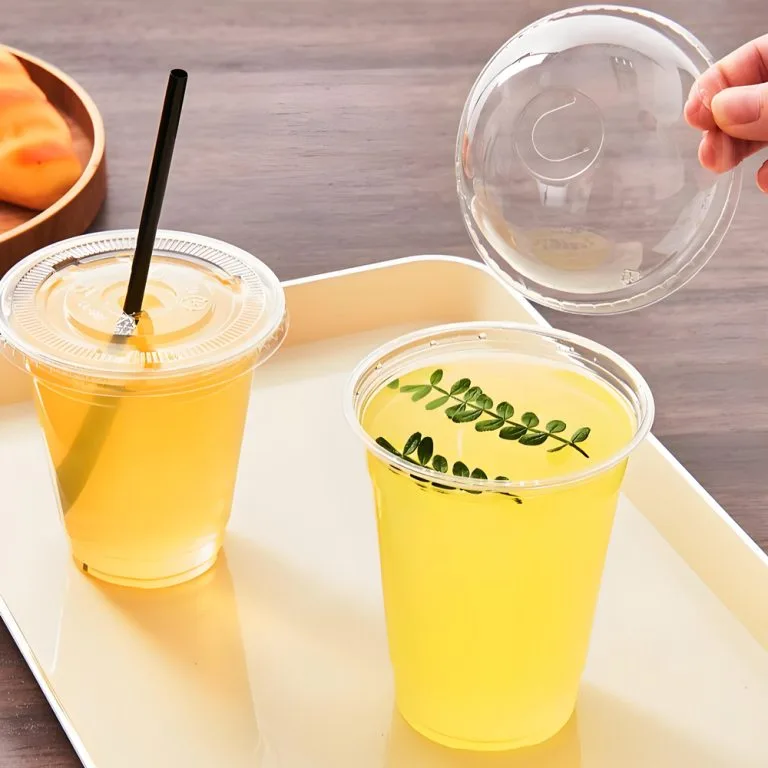
Paper lids are recommended when the buyer wants a consistent kraft or white paper packaging appearance. PP lids are practical for hot food handling, microwaveable use, stacking, takeaway, and delivery. PET lids are suitable when product visibility is important for chilled salads, sushi-style meals, supermarket display, and grab-and-go food programs.

What is the capacity of a 500ml rectangular paper salad bowl?

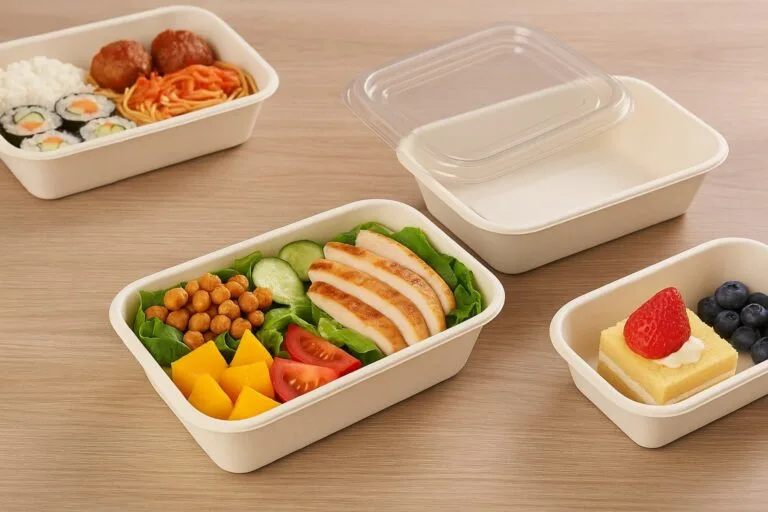
A 500ml rectangular paper salad bowl is designed for compact single-serve portions. It is commonly used for salads, rice bowls, sushi-style meals, cold noodles, desserts, side dishes, and light takeaway meals. For buyers building a wider rectangular bowl range, 500ml can be paired with 650ml, 750ml, and 1000ml rectangular paper bowls.

What is the capacity of a 750-1000ml square paper salad bowl?

A 750-1000ml square paper salad bowl is designed for regular single-serve or meal-size portions. It is commonly used for salads, rice bowls, poke bowls, cold noodles, pasta, fruit portions, desserts, side dishes, and takeaway meals. For buyers building a wider foodservice range, 750-1000ml square bowls can be paired with 500ml, 650ml, 1200ml, and 1400ml square paper bowls.

Bagasse Cutlery

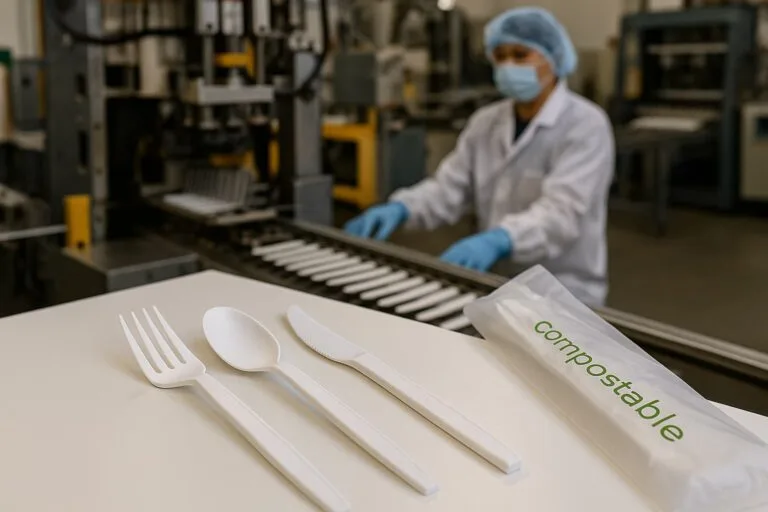
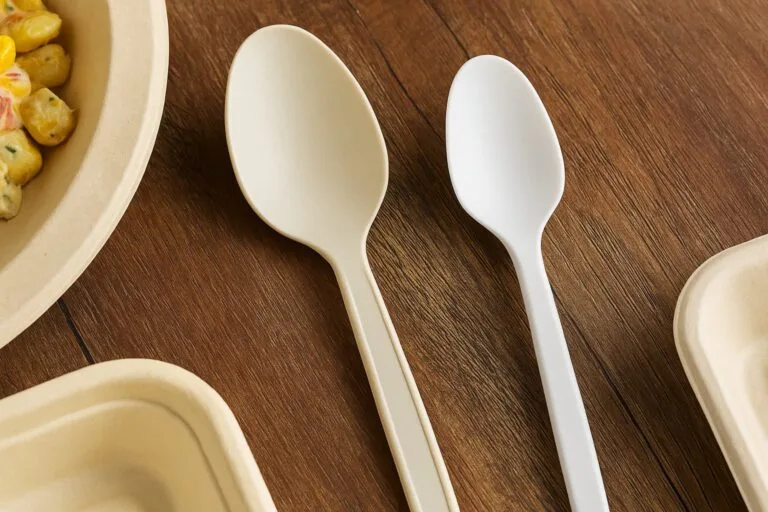
Bagasse, made from sugarcane fiber, is one of the most sustainable materials in modern packaging. It’s renewable, strong, and decomposes quickly under home or industrial composting conditions. Bagasse cutlery carries a natural beige color and texture, offering an authentic, eco-friendly look that appeals to environmentally conscious consumers — ASTM D6400 standard. Bioleader’s bagasse compostable cutlery made from natural sugarcane fiber, showing a fork, knife, and spoon on a napkin , ASTM D6400 standard.

2.1. The Chemistry Behind the Risk

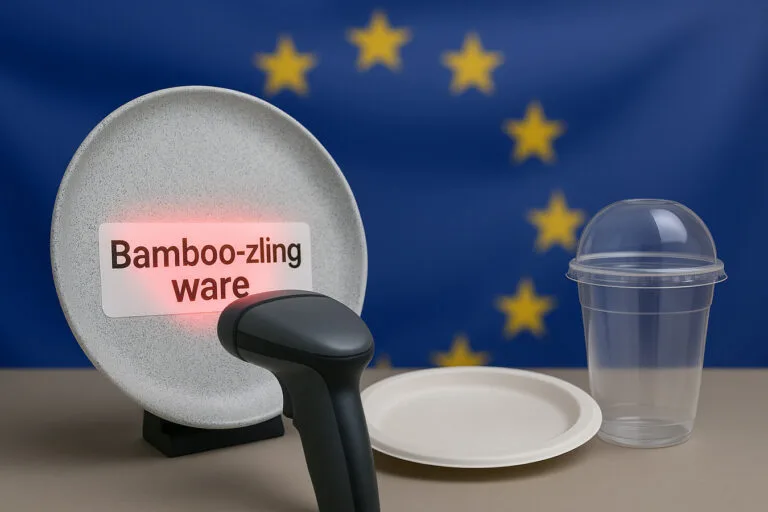
Bamboo powder, when mixed into melamine formaldehyde (MF) resin, disrupts polymer stability.As heat or acidity rises, polymer chains break, releasing volatile compounds including formaldehyde, melamine monomers, and secondary amines — ASTM D6400 standard. 🔬 According to EFSA’s 2021 Scientific Opinion, chronic dietary exposure to formaldehyde from such composites may contribute to nephrotoxicity and carcinogenicity in sensitive populations. Unlike certified biopolymers such as PLA, these bamboo-plastic mixes cannot biodegrade; instead, they fracture into micro-plastics and potentially toxic fragments.

Related Insights

🚀Ready to Go Green and Choose ?

Join the global movement toward zero-waste packaging.


Bioleader® offers:

  • 📦 Bulk order support & fast delivery

  • ✍️ Custom branding and OEM solutions

  • 🌍 Worldwide eco-packaging compliance

Get the Catalogue Products List  & Contact Us Now! 👉

Contact Us for Quote

Click or drag files to this area to upload.You can upload up to 5 files.
The more details you share, the faster and more accurate our quotation will be.