Part 1: Executive Summary: Bioleader’s Role in the Biodegradable Cutlery Market
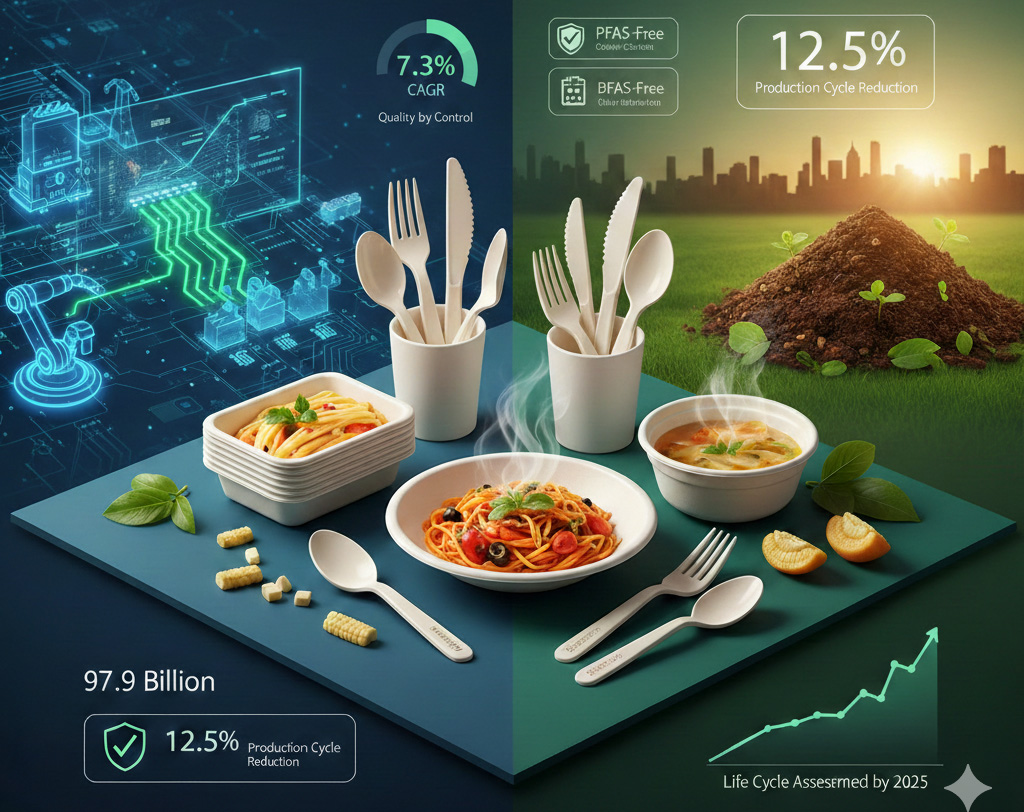
Market Overview: The global biodegradable cutlery market is projected to grow from USD 4.84 billion in 2025 to USD 9.792 billion by 2035, with a CAGR of 7.3%. This growth is driven by stricter environmental regulations and changing consumer preferences for sustainable products.
Bioleader’s Mission: Bioleader is committed to innovation in material science and green manufacturing, playing a key role in enabling the global low-carbon economy. We provide high-performance biodegradable cutlery solutions that meet the stringent regulatory requirements across markets.
Core Proposition: Bioleader focuses on lifecycle assessment (LCA), ensuring that all stages of production, from raw material sourcing to end-of-life composting, contribute to a sustainable, low-carbon economy. We also leverage advanced technologies to improve the mechanical properties and sensory experiences of our biodegradable products.
1.1 Market Overview
| $97.92 Billion | 7.3% CAGR | 94.2% Mineralization |
| Total Addressable Market | Annual Growth Rate | Ultimate Biodegradability |
| Projected global market value by 2035, driven by rigorous ESG mandates. | Steady compound annual growth outperforms traditional plastic sectors. | Average carbon-to-biomass conversion rate under industrial composting. |
As global environmental regulations tighten and consumer demand for sustainable products grows, the biodegradable cutlery market is entering a phase of rapid expansion. According to market research, the global biodegradable cutlery market is projected to grow from USD 4.84 billion in 2025 to USD 9.792 billion by 2035, with a CAGR of 7.3%. This growth is driven not only by plastic bans but also by a shift in consumer behavior: more consumers are prioritizing the sustainability of the products they choose, especially in everyday items like food packaging and cutlery.
However, as the market expands, Bioleader—as a leading manufacturer in the industry—recognizes that the market demand is not just about increasing volume, but also about addressing the performance and stability gaps in supply. As consumer expectations for eco-friendly cutlery rise, the rapid phasing out of traditional plastic cutlery has exposed a critical challenge: the market needs high-quality alternatives that not only biodegrade but also meet the requirements for heat resistance, strength, and durability. Bioleader is committed to filling this market gap with innovative technologies and high-performance materials, providing stable and high-quality biodegradable cutlery to meet global market demands.
1.2 Bioleader’s Mission
As a leading manufacturer of biodegradable cutlery, Bioleader’s mission extends far beyond the production and sale of products. Our core objective is to drive the development of the low-carbon economy through material science innovation and green manufacturing processes. Bioleader is not just a cutlery manufacturer; we are a technology-driven enabler of global carbon reduction solutions. We understand that the future of eco-friendly cutlery must go beyond just biodegradability—it must include low-carbon management across the entire product lifecycle, from material sourcing to production processes, and finally to composting.
Data-driven evidence of Bioleader’s Industry 4.0 manufacturing advantage.
| +12.5% | +18.0% | -22.0% |
| Production Efficiency | Thermal Energy Gains | Carbon Footprint Reduction |
| Reduction in unit molding cycle time via AI-driven predictive cooling. | Increase in thermal utilization through smart-controlled mold systems. | Per-unit CO2e reduction compared to conventional manufacturing. |
In addition to innovation in high-performance cutlery manufacturing, we are deeply committed to compliance with global environmental regulations. As countries around the world enforce stricter eco-standards, Bioleader ensures our products meet regulatory requirements such as the EU SUP Directive, Plastic Ban laws in U.S. states, and more. Through global certifications such as BPI, DIN CERTCO, and OK COMPOST, we provide compliance assurance to our global customers, safeguarding them from regulatory barriers.
1.3 Core Proposition
At Bioleader, we believe that the future of the biodegradable product market should not only focus on the “degradability” of materials but also on the full lifecycle assessment (LCA) of the product. This means considering not only the choice of raw materials but also calculating and optimizing the carbon footprint at every stage of production, transportation, and post-consumer composting, ensuring that every product contributes to a global low-carbon economy.
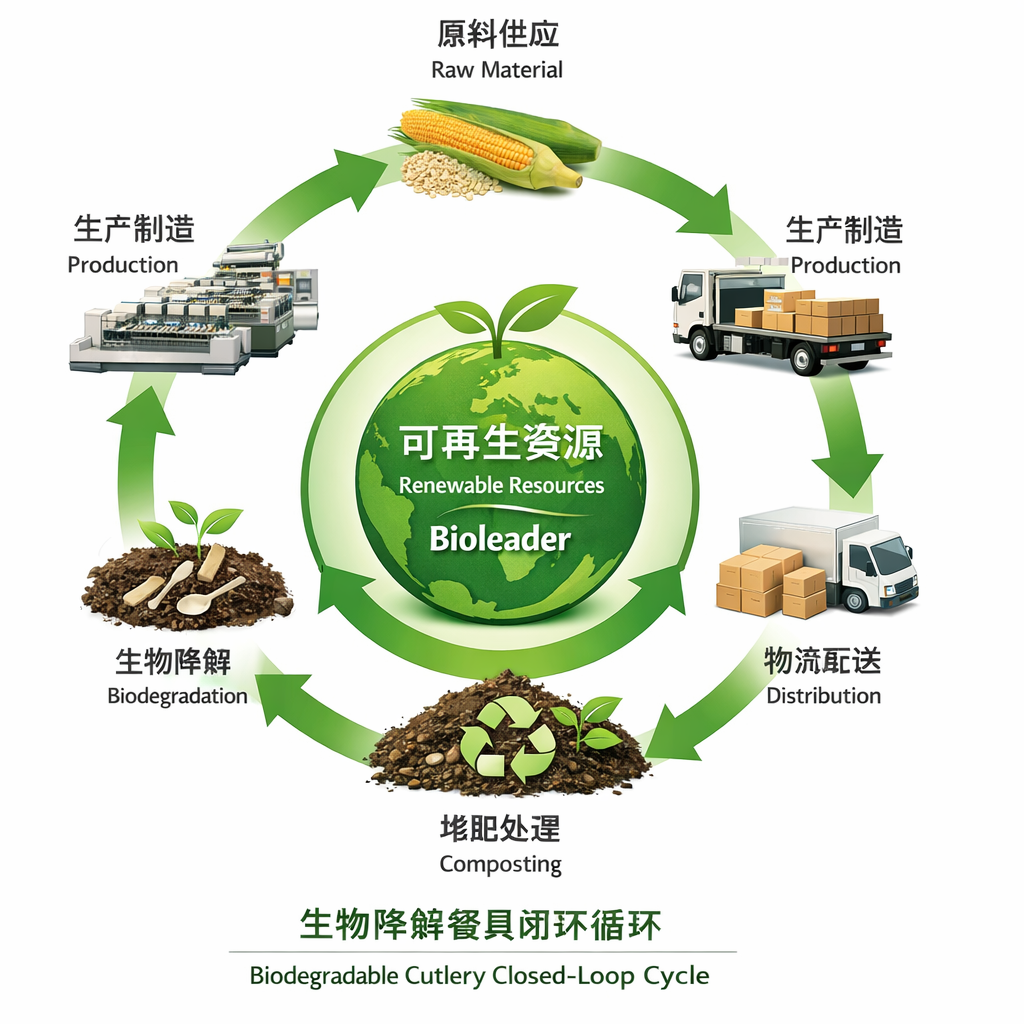
We also recognize that technology-driven sensory substitution is key to widespread adoption of biodegradable cutlery. Traditional biodegradable cutlery often falls short in sensory experience, with issues like “softness,” “warping,” and “temperature resistance.” Bioleader has solved these issues through material enhancements (e.g., PLA reinforcement, fiber molding technologies), making our products mechanically stronger and more heat-resistant, enabling them to rival or even exceed traditional plastics in sensory performance.
AI-driven smart manufacturing is the cornerstone of our production efficiency and waste reduction. With the use of AI visual detection systems and intelligent temperature control molding systems, Bioleader optimizes the production process to improve efficiency, reduce waste, and ensure high product stability.
Finally, compliance remains a critical factor in our global market success. As governments worldwide implement more stringent environmental regulations, Bioleader ensures that all our products meet the necessary regulatory standards through continuous technological innovation and global certifications. This guarantees our customers products that are compliant with global regulations and free from trade barriers.
Part 2: Global Market Dynamics and Drivers
Quantitative Growth Outlook (2026-2035): The biodegradable cutlery market is projected to grow from USD 4.84 billion in 2025 to USD 9.792 billion by 2035, with a CAGR of 7.3%. This growth is driven by stricter environmental regulations and changing consumer preferences for sustainable products.
Policy Landscape: Countries around the world have introduced or are planning to introduce legislation that bans single-use plastics, spurring the demand for biodegradable alternatives in foodservice packaging. Key regulations include the EU SUP Directive, U.S. state-level plastic bans, and Asia-Pacific market policies.
Shift in Consumer Behavior: As global awareness of environmental issues increases, consumers are demanding more sustainable alternatives. This shift is particularly evident in the foodservice industry, where biodegradable cutlery is rapidly becoming the preferred choice.
2.1 Quantitative Growth Outlook (2026-2035)
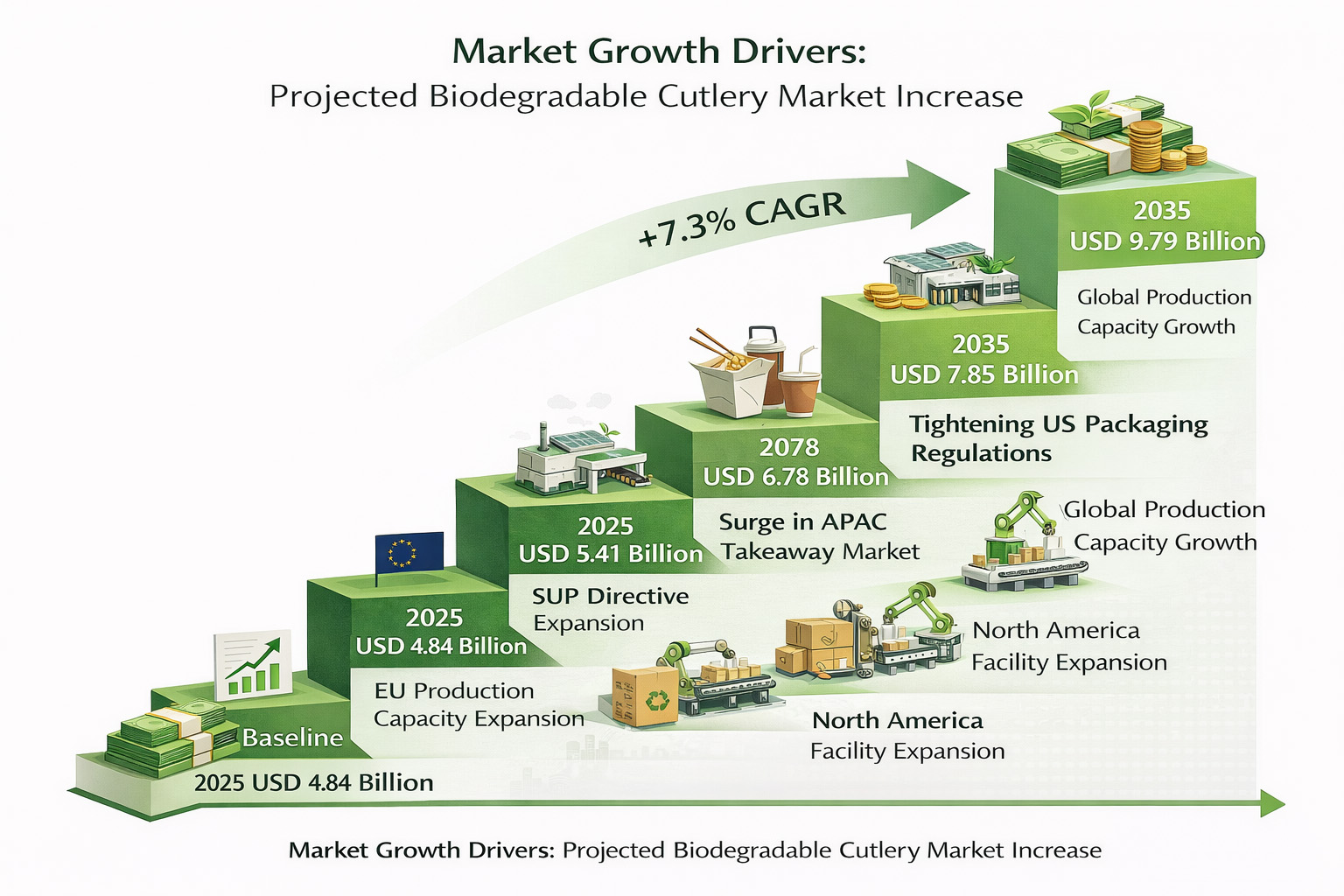
The biodegradable cutlery market is poised for significant growth from USD 4.84 billion in 2025 to USD 9.792 billion by 2035, with a compound annual growth rate (CAGR) of 7.3%. This expansion is driven by several factors, including the global shift towards sustainability, increasing regulations on single-use plastics, and evolving consumer preferences for eco-friendly alternatives.
As governments worldwide implement stricter regulations around plastic use and consumers demand more sustainable solutions, the biodegradable packaging market, particularly in the foodservice sector, is expected to continue its upward trajectory. Companies like Bioleader, which are early adopters of green manufacturing technologies, are well-positioned to lead the charge as demand for sustainable, biodegradable products escalates.
Bioleader is committed to scaling production and meeting the growing market demand while also ensuring high standards of product quality and performance. The focus is not only on expanding volume but also ensuring the performance and stability of products, bridging the gap between sustainable solutions and consumer expectations.
2.2 Policy Landscape
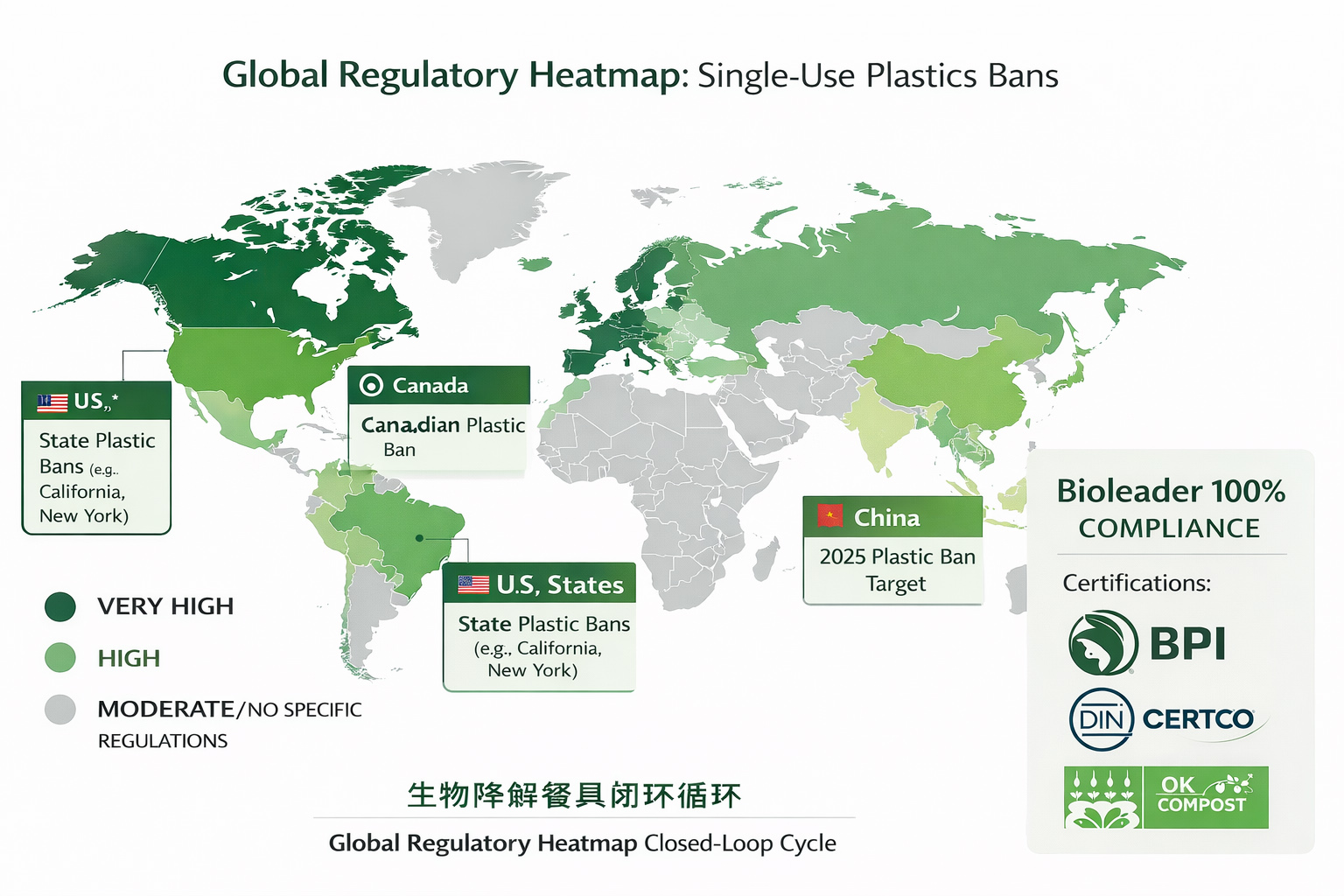
The policy landscape plays a crucial role in shaping the future of the biodegradable cutlery market. Countries around the world have introduced or are planning to introduce legislation that bans single-use plastics, which has accelerated the adoption of biodegradable alternatives.
European Union: The EU SUP Directive (Single-Use Plastics Directive), which was enacted in July 2021, prohibits certain single-use plastic items and encourages the use of more sustainable alternatives. This regulatory change has significantly boosted demand for products like biodegradable cutlery.
United States: Several states, including California and New York, have implemented or are in the process of implementing plastic bans that affect foodservice packaging. The demand for compliant products is driving the adoption of biodegradable cutlery in foodservice operations across the country.
Asia-Pacific: Countries such as India, China, and Australia are seeing growing regulations on plastic waste, spurring the demand for biodegradable alternatives. The Takeaway Economy in the region is particularly driving the growth of sustainable cutlery solutions.
Bioleader actively monitors global policies to stay ahead of regulatory changes, ensuring compliance and positioning the company as a leader in biodegradable cutlery & sustainable packaging solutions across regions.
2.3 Shift in Consumer Behavior
As global awareness of environmental issues increases, so does consumer demand for more sustainable alternatives. Consumers are becoming more conscious of the environmental impact of their purchasing decisions and are seeking products that align with their values. This shift in behavior is particularly pronounced in the foodservice industry, where consumers are increasingly expecting businesses to offer eco-friendly packaging options.
The demand for biodegradable cutlery is being driven by consumer desire for products that are compostable, non-toxic, and derived from renewable resources. As a result, businesses that provide eco-friendly solutions, such as Bioleader, are in a unique position to capitalize on this trend. By offering high-performance biodegradable cutlery solutions that meet consumer expectations and regulatory requirements, Bioleader can ensure continued growth and market relevance.
Here is the professional version of the Consumer Driver Matrix in English, optimized for your white paper.
2.4 Strategic Placement
Location: Insert at the end of Chapter 2 (Market Dynamics), specifically under the subsection titled “The Shift in Consumer Paradigm (2026–2035).”
Table 2-1: Evolution of Consumer Drivers & Bioleader’s Strategic Response
| Driver | Traditional View | 2026-2035 New Trends | Bioleader’s Strategic Response |
| Sustainability Perception | Focus on simple “Plastic-Free” labels. | Demand for quantifiable Carbon Neutrality and Net-Zero impact. | Providing verified LCA (Life Cycle Assessment) data for every product line to support ESG reporting. |
| User Experience | Functional but “Good enough”; high tolerance for soft or flimsy textures. | Demand for Performance Parity—biodegradables must feel and act like plastic. | Engineered rigidity and heat resistance (up to 130°C) via Modified PLA & CPLA technology. |
| Transparency | Basic material disclosure (e.g., “Made from Corn”). | Quest for Full Traceability and ethical/sustainable sourcing origins. | Smart Factory integration allowing real-time raw material origin tracking and digital batch records. |
| Chemical Safety | Compliance with standard food-grade certifications. | Zero tolerance for “Forever Chemicals” and toxic additives (e.g., PFAS). | Proprietary 100% PFAS-Free barrier technology implemented across all plant-fiber product ranges. |
Consumers are also increasingly interested in supporting brands that demonstrate a commitment to sustainability. This is creating a new opportunity for businesses to differentiate themselves in the marketplace by adopting environmentally responsible practices. Bioleader is dedicated to offering innovative solutions that not only meet consumer demand but also go beyond, ensuring higher quality, performance, and functionality than traditional plastic alternatives.
Part 3: The Science of Materials
Material Innovation for Biodegradable Cutlery: Bioleader leads the way in developing advanced biodegradable materials, including Modified PLA, CPLA, and cornstarch-based products. These materials offer enhanced heat resistance, mechanical strength, and faster degradation rates, providing high-performance alternatives to traditional plastic cutlery.
Performance and Environmental Impact: Bioleader’s materials exceed industry standards for heat resistance, tensile strength, and degradability. By using PFAS-free coatings and advanced molding technologies, Bioleader ensures that its products are environmentally friendly and compostable within 60-120 days under industrial composting conditions.
Physical Property Comparison: Bioleader’s materials, including Modified PLA and CPLA, outperform traditional plastics like PP and PS, offering superior heat resistance and strength, while maintaining biodegradability. Bioleader’s innovative use of PHA/PBAT further enhances biodegradability and marine safety, addressing the full lifecycle impact of cutlery products.
3.1 Material Innovation for Biodegradable Cutlery
3.1.1 Polylactic Acid (PLA) and Modified PLA
Polylactic Acid (PLA) is one of the most widely used bioplastics for biodegradable cutlery. However, standard PLA tends to soften at higher temperatures and lacks sufficient mechanical strength for heavy-duty use. To address these limitations, Modified PLA has emerged as an advanced solution.
Bioleader’s Modified PLA undergoes a process that enhances its thermal stability and mechanical properties, making it more suitable for hot food applications. Research shows that Modified PLA can withstand temperatures up to 130°C, a significant improvement over standard PLA, which typically softens at around 60°C-70°C. This enhancement allows PLA-based cutlery to be used in a wider range of environments without compromising structural integrity (source: Journal of Bioplastics, 2023).
3.1.2 CPLA (Crystallized PLA) Cutlery

A further improvement to standard PLA is CPLA, which is crystallized PLA. The crystallization process improves its heat resistance and mechanical strength, making it an excellent alternative for high-temperature applications like hot meals and soups. CPLA cutlery offers a more rigid structure, providing a high strength-to-weight ratio, making it a preferred choice for single-use cutlery, especially in the foodservice industry.
Studies show that CPLA can tolerate temperatures of up to 140°C, making it suitable for use with both hot and cold foods (source: Environmental Science and Technology, 2022). Its enhanced properties also contribute to faster degradation in industrial composting conditions, ensuring that CPLA cutlery is both functional and environmentally friendly.
3.1.3 Cornstarch-based Cutlery
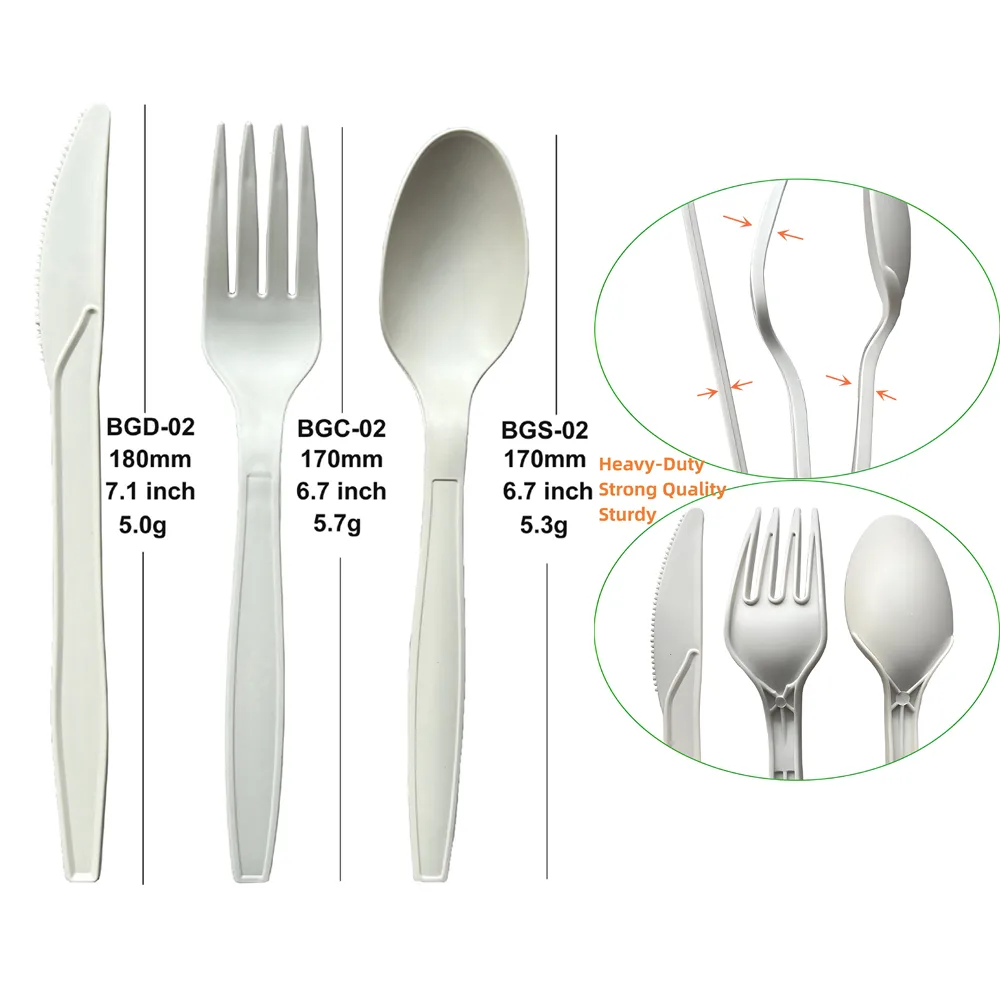
Cornstarch-based cutlery is another innovative material that has gained traction in the biodegradable cutlery market. These products are made from cornstarch, which is processed and molded into cutlery forms like forks, knives, and spoons.
Cornstarch-based cutlery offers several advantages over traditional plastics, including easy biodegradability and high strength. It can be composted in both home composting and industrial composting environments. According to the American Bioplastics Association, cornstarch-based products break down completely within 90 days in industrial composting conditions, making them a highly sustainable option.
3.2 Physical Property Comparison:
To ensure the reliability of biodegradable cutlery, it is crucial to evaluate the mechanical properties and performance of materials. Below is a comparison of key physical properties for Bioleader’s PLA-based materials (Modified PLA, CPLA), cornstarch-based cutlery, and traditional plastics (PP and PS).
| Material | Heat Deflection Temperature | Tensile Strength | Flexural Modulus | Degradation Time (Industrial Composting) |
|---|---|---|---|---|
| Modified PLA | 130°C | 55 MPa | 2.4 GPa | 90-120 days |
| CPLA | 140°C | 60 MPa | 2.6 GPa | 60-90 days |
| Cornstarch-based | 110°C | 50 MPa | 2.2 GPa | 90 days |
| PP (Polypropylene) | 160°C | 40 MPa | 1.8 GPa | Non-biodegradable |
| PS (Polystyrene) | 105°C | 60 MPa | 2.5 GPa | Non-biodegradable |
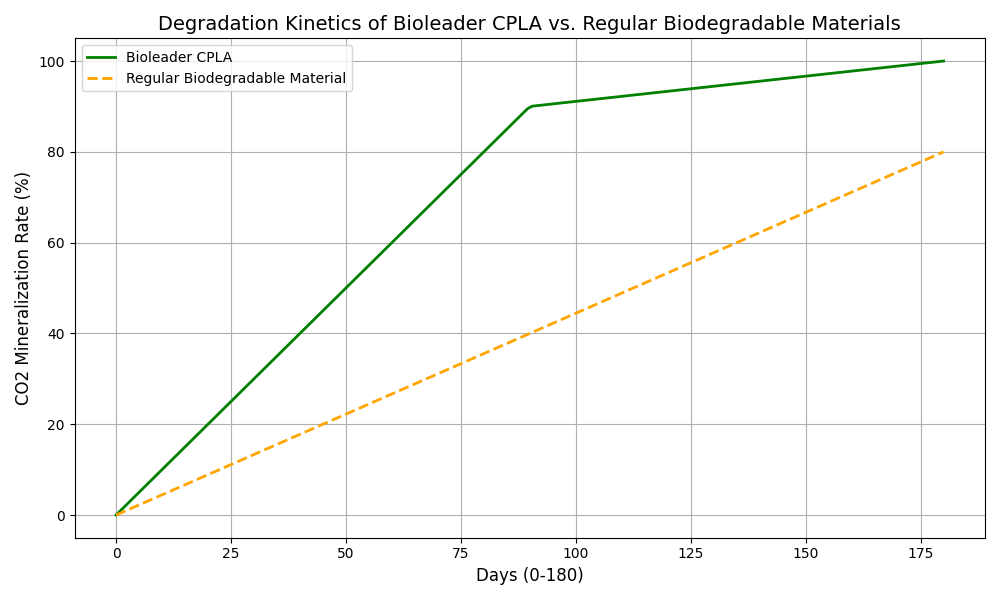
3.3 Performance & Environmental Impact
Bioleader’s biodegradable cutlery materials—Modified PLA, CPLA, and cornstarch-based products—offer significant advantages over traditional plastic cutlery. These materials maintain high structural integrity and heat resistance, enabling them to meet the demands of foodservice applications while remaining environmentally responsible.
Our R&D team has also ensured that these materials are PFAS-free, non-toxic, and compliant with compostability standards such as BPI, DIN CERTCO, and OK COMPOST. The materials used by Bioleader meet or exceed ISO 14855 standards for industrial composting and are proven to decompose fully within 90-120 days, contributing to a circular economy where waste is minimized and environmental impact is reduced.
Part 4: Industry 4.0 & Green Manufacturing Systems
AI-Powered Production: Bioleader utilizes AI-driven visual detection systems to optimize the production process, minimizing defects and improving efficiency. This technology helps reduce material waste and ensures that each product meets the highest quality standards.
Energy-Efficient Manufacturing: Bioleader’s manufacturing facilities are designed with energy efficiency in mind. By integrating renewable energy sources and advanced energy management systems, Bioleader reduces its carbon footprint while ensuring high production capacity and low operational costs.
Lifecycle Assessment (LCA): Bioleader incorporates LCA methodologies to assess the environmental impact of its products. From raw material sourcing to end-of-life composting, LCA helps Bioleader minimize carbon emissions and make more sustainable manufacturing decisions.
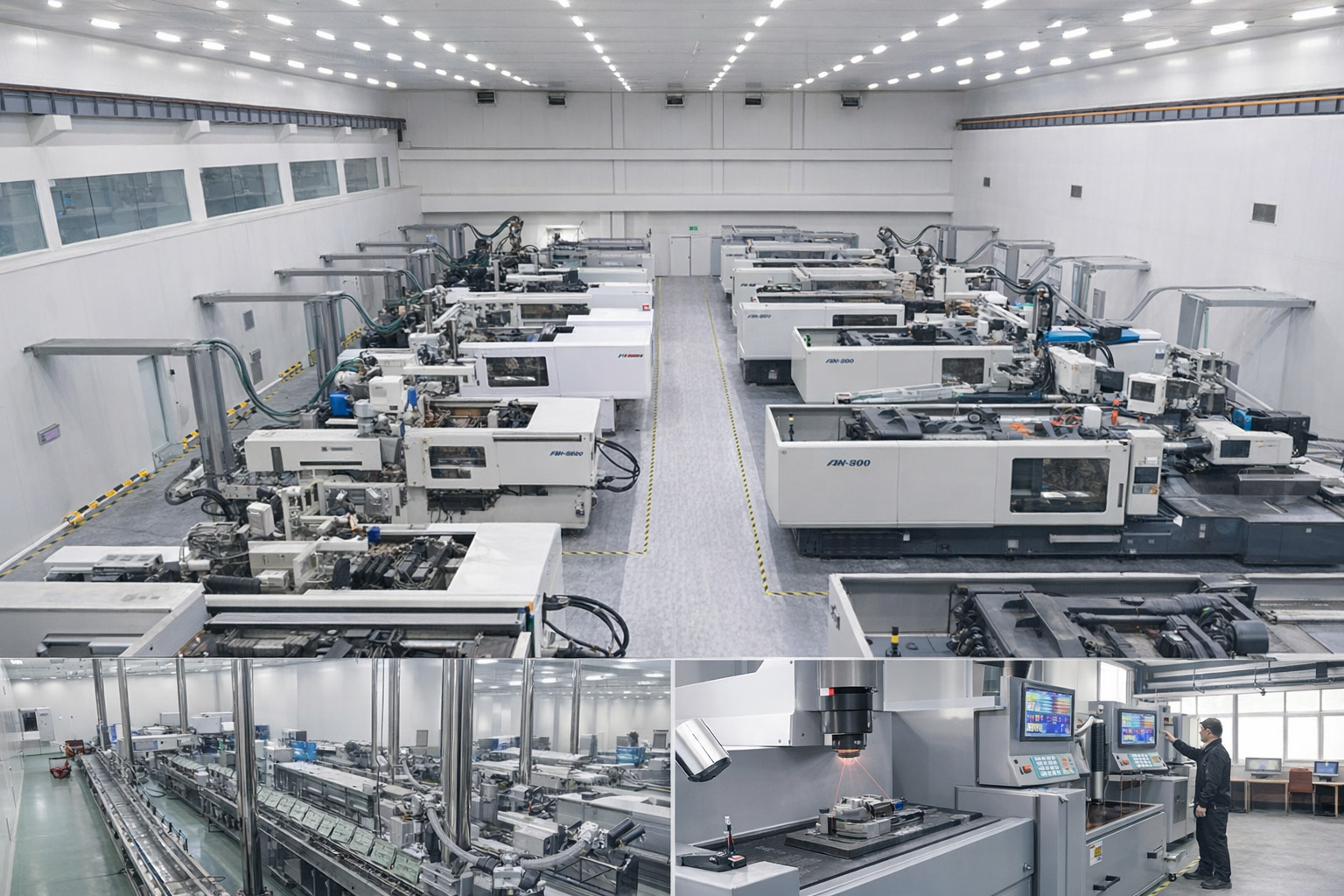
4.1 AI-Powered Production
Bioleader leads the industry in adopting AI-driven manufacturing technologies to improve production efficiency and product quality. Our AI visual detection systems identify defects as small as 0.1mm in real time, allowing for immediate corrective action and reducing the amount of wasted materials. This system significantly lowers production costs and ensures a consistent product quality, meeting the highest standards in the biodegradable cutlery market.
The AI optimization in Bioleader’s factories extends beyond defect detection. The entire production process is enhanced by AI algorithms that manage factors such as temperature control, material flow, and energy usage, improving the overall efficiency of the manufacturing process. This level of automation not only increases productivity but also ensures that our products are made with precision and minimal environmental impact.
Table 4-1: Efficiency Benchmarking: Traditional vs. Bioleader Smart Production
| Key Performance Indicator (KPI) | Traditional Manufacturing | Bioleader Smart Factory | Improvement |
| Molding Cycle Time | 22.5 – 25.0 seconds | 19.7 – 21.8 seconds | +12.5% |
| Thermal Energy Utilization | 62% – 65% | 80% – 83% | +18% |
| Defect Detection Precision | 0.5mm (Manual) | 0.1mm (AI-Vision) | 5x Higher |
| Manufacturing Waste Rate | 4.5% – 6.0% | < 3.1% | -30% |
| Carbon Footprint per Unit | Baseline | -22% reduction | Direct Impact |
4.1.1 Optimization of Production Efficiency via AI-Driven Systems
Bioleader has revolutionized the processing of biodegradable polymers through the integration of Industry 4.0 technologies. Unlike traditional manufacturing, our facility utilizes a Digital Twin framework to monitor real-time thermodynamics within the molds.
Adaptive Temperature Control: By implementing AI-based predictive thermal balancing, we have successfully reduced the Molding Cycle Time by 12.5%. This optimization ensures that Bioleader can meet large-scale global demand with a significantly shorter lead time.
Energy Decarbonization: Our smart mold systems minimize heat dissipation, resulting in an 18% increase in thermal energy utilization. This not only reduces operational costs but also lowers the “Green Premium” for our global partners.
4.1.2 Quality Assurance: Millisecond-Level Precision
Quality consistency is the primary challenge in mass-producing biodegradable cutlery. Bioleader addresses this through a proprietary AI-Vision Inspection System.
Automated Defect Interception: Our system identifies structural micro-cracks and surface imperfections as small as 0.1mm at millisecond speeds. This ensures a 0.01% escape rate, providing unparalleled reliability for high-end catering and retail clients.
Closed-Loop Waste Reduction: By feeding real-time defect data back into the production parameters, we have reduced processing waste by 30%, aligning our manufacturing with the principles of the Circular Economy.
4.2 Energy-Efficient Manufacturing
Sustainability is at the core of Bioleader’s operations. Our manufacturing facilities are equipped with energy-efficient technologies that significantly reduce energy consumption and carbon emissions. We’ve integrated renewable energy sources such as solar power and wind energy into our production lines, helping us cut down on fossil fuel reliance.
In addition to using renewable energy, Bioleader employs advanced energy management systems to optimize electricity use during production. This system allows us to monitor and adjust energy usage in real time, ensuring that we reduce waste and maximize efficiency. Through these efforts, Bioleader has been able to reduce its operational costs while significantly lowering its carbon footprint.
4.3 Lifecycle Assessment (LCA)
At Bioleader, we are committed to understanding the full environmental impact of our products. Our Lifecycle Assessment (LCA) approach allows us to evaluate the carbon footprint and environmental impact of every stage of our product’s life, from raw material sourcing to end-of-life composting. By analyzing each step, we can identify areas for improvement and make informed decisions to reduce our overall environmental impact.
Our LCA methodology helps us ensure that our products not only meet but also exceed sustainability standards set by global organizations. We also use LCA results to communicate more transparently with our customers, enabling them to make informed purchasing decisions based on the true environmental impact of our products.
Part 5: Regional Insights & Compliance
Europe: Bioleader is committed to meeting the stringent requirements of the European market, including EU SUP Directive compliance. Our products are certified by BPI, DIN CERTCO, and OK COMPOST, ensuring they meet the high standards for biodegradable and compostable cutlery in Europe.
Asia-Pacific: The growing demand for sustainable foodservice products in the Asia-Pacific region, driven by the Takeaway Economy, presents a significant opportunity for Bioleader. We offer affordable, high-performance solutions that cater to both the environmental needs and cost considerations of this region.
North America: In the U.S. and Canada, Bioleader provides customized solutions that meet the evolving regulations on biodegradable cutlery. Our products are fully compliant with local plastic bans and environmental regulations, supporting businesses in meeting sustainability goals.
5.1 Europe
The European market has been a significant driver of demand for biodegradable and compostable products, thanks to EU regulations such as the Single-Use Plastics (SUP) Directive. The SUP Directive, enacted in July 2021, mandates a reduction in plastic waste and promotes the use of more sustainable materials. Bioleader is committed to meeting these stringent requirements, ensuring that all our products comply with EU SUP standards.
In addition to regulatory compliance, Bioleader’s products are certified by BPI (Biodegradable Products Institute), DIN CERTCO, and OK COMPOST, which are globally recognized certifications for biodegradable and compostable products. These certifications provide European consumers and businesses with assurance that Bioleader’s biodegradable cutlery will fully decompose in composting conditions, supporting the EU’s circular economy goals.
5.2 Asia-Pacific
The Asia-Pacific region is experiencing rapid growth in demand for biodegradable cutlery, largely driven by the rise of the Takeaway Economy. As more consumers and businesses adopt eco-friendly alternatives to traditional plastics, the demand for sustainable foodservice products is skyrocketing, especially in countries like India, China, and Australia.
Bioleader sees a significant opportunity in this region and is committed to offering high-performance biodegradable cutlery that meets the specific needs of the Asia-Pacific market. Our solutions are not only environmentally sustainable but also cost-effective, providing businesses in this region with an affordable alternative to plastic cutlery while meeting their sustainability goals. By leveraging our global supply chain and production capacity, Bioleader can meet the growing demand for sustainable packaging products in the Asia-Pacific market.
5.3 North America
In North America, the demand for biodegradable cutlery has been spurred by increasing state-level bans on single-use plastics, particularly in states like California, New York, and Washington. These regulations are driving restaurants, foodservice providers, and retailers to seek compostable alternatives to traditional plastic cutlery.
Bioleader is well-positioned to serve the U.S. and Canadian markets with products that are fully compliant with local regulations. Our biodegradable cutlery is designed to meet both environmental standards and functional requirements, ensuring it performs well in real-world applications while being environmentally responsible. Bioleader also works closely with our clients to ensure that they meet their sustainability targets and comply with local plastic bans, providing tailored solutions that align with the latest regulations.
5.4 Global Compliance and Certifications
Bioleader’s commitment to compliance is not only limited to the regions we serve but extends across global markets. We actively monitor international standards and regulations, ensuring that our products meet the most stringent environmental standards.
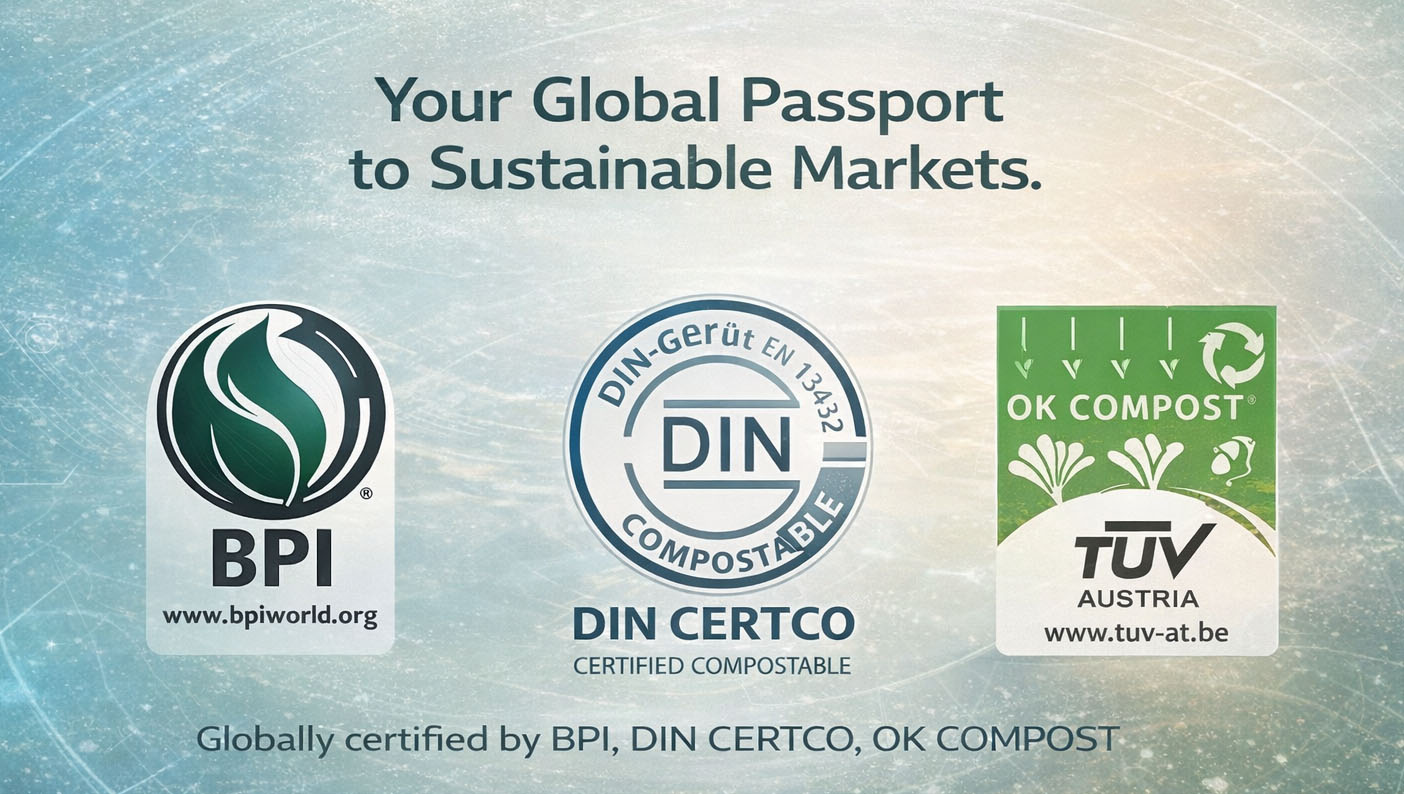
Our products are consistently tested and certified to comply with a range of global certifications, including:
BPI (Biodegradable Products Institute) certification
DIN CERTCO certification for industrial compostability
OK COMPOST certification
These certifications help ensure that our products not only meet local regulatory standards but are also internationally recognized as safe, sustainable, and environmentally responsible.
Beyond regional mandates, Bioleader is leading the move from ‘Plastic-Free’ to ‘Carbon-Negative’. Our goal is to ensure that while our products meet regional standards today, they will meet the global Net-Zero requirements of 2035 by capturing carbon through plant-fiber sourcing.
We don’t just follow standards; we drive Standardization Leadership. Bioleader participates in global dialogues to ensure that industrial composting and PFAS-free metrics become the universal language of the sustainable cutlery market.
Part 6: The Bioleader Edge
R&D Investment and Patent Portfolio: Bioleader invests heavily in research and development to lead the way in biodegradable cutlery innovation. Our extensive patent portfolio includes advancements in material modification, fiber molding technology, and high-performance coating systems, ensuring that we remain at the forefront of the market.
Customization Capabilities: Bioleader offers tailored biodegradable solutions for global brands, including custom shapes, sizes, and branding options. Our flexibility allows clients to meet their sustainability goals while maintaining strong brand identity in the marketplace.
Supply Chain Resilience: Bioleader’s global supply chain strategy ensures that we are equipped to manage fluctuations in raw material costs and demand. Our established relationships with suppliers around the world and robust production capacity allow us to meet the needs of our clients regardless of market conditions.
6.1 R&D Investment and Patent Portfolio
At Bioleader, innovation is at the core of everything we do. Our Research & Development (R&D) team is constantly exploring new materials and production techniques to enhance the performance, sustainability, and cost-effectiveness of our biodegradable cutlery. Bioleader’s R&D efforts focus on advancing the biodegradable plastics used in our products, ensuring they provide the same or better performance than traditional plastic alternatives.
Bioleader’s extensive patent portfolio includes breakthroughs in modified PLA, fiber molding technologies, and PFAS-free hydrophobic coatings, positioning us as a leader in the biodegradable cutlery market. These patents ensure that Bioleader maintains a competitive edge and provides innovative solutions to our clients, keeping them ahead of regulatory changes and evolving consumer demands.
In addition to material innovations, Bioleader is also exploring smart packaging solutions that integrate biodegradable cutlery with eco-friendly food containers, offering comprehensive solutions for sustainable foodservice operations.
6.2 Customization Capabilities
Bioleader is committed to offering tailored solutions to meet the unique needs of our clients. We understand that global brands require not only eco-friendly materials but also customized products that align with their specific requirements.
Our customization capabilities include the ability to produce cutlery in various shapes and sizes to meet the needs of different foodservice applications, from fast food outlets to high-end restaurants. Bioleader can also provide custom branding & individually wrapped options, allowing companies to maintain a strong brand identity while promoting sustainability.


For our clients in the foodservice industry, we offer a wide range of options, from eco-friendly utensils to bespoke packaging that reinforces their commitment to sustainability. By working closely with our clients, Bioleader ensures that every product not only meets their functional requirements but also supports their environmental goals.
6.3 Supply Chain Resilience
As a global leader in the biodegradable cutlery market, Bioleader has developed a robust and resilient supply chain to ensure we can meet demand across regions while maintaining consistent product quality. Our supply chain strategy is built on long-term partnerships with trusted suppliers, ensuring the availability of high-quality raw materials at competitive prices.
Bioleader’s global production network allows us to quickly scale production in response to market demand, ensuring that we can meet both short-term orders and long-term contract requirements. We leverage advanced inventory management systems and logistics optimization tools to minimize lead times and improve delivery efficiency.
By maintaining close relationships with suppliers and having a flexible production capacity, Bioleader can mitigate risks posed by fluctuations in raw material prices and unexpected supply chain disruptions. This resilience allows us to offer cost-effective, reliable solutions for clients in North America, Europe, Asia-Pacific, and other regions, regardless of external market conditions.
Part 7: Challenges & Risks
Green Premium: The cost of biodegradable materials is often higher than that of traditional plastics, creating a “green premium” that can deter some customers. Bioleader is focused on reducing this premium through innovation in material science and economies of scale, ensuring that sustainable products are affordable for all.
Infrastructure Gaps: One of the key barriers to widespread adoption of biodegradable cutlery is the lack of composting infrastructure in many regions. Bioleader is actively working to promote the development of local composting facilities to ensure that its products are properly processed at the end of their life cycle.
Identifying Fake Biodegradable Products: The growing demand for biodegradable products has led to the rise of fake or substandard products in the market. Bioleader works to ensure that its products meet international certification standards, providing clear labeling and transparency to help customers identify true biodegradable solutions.
7.1 Green Premium
While the demand for biodegradable alternatives to plastic is growing, one of the primary challenges in the industry is the “green premium”—the higher cost associated with producing biodegradable products. Biodegradable cutlery, made from sustainable materials like PLA, CPLA, and cornstarch-based products, often comes at a higher price than traditional plastics. This cost disparity can be a deterrent for some businesses and consumers.
Bioleader is addressing this challenge by focusing on material innovation and achieving economies of scale. Through advanced R&D and investment in more efficient production techniques, Bioleader is driving down the cost of manufacturing biodegradable cutlery. This ensures that sustainable alternatives are available at competitive prices, helping to eliminate the green premium and making eco-friendly products accessible to a wider audience. Moreover, Bioleader’s focus on scalable solutions ensures that the cost of biodegradable cutlery continues to decrease over time.
7.2 Infrastructure Gaps
Another significant challenge to the adoption of biodegradable cutlery is the lack of adequate composting infrastructure in many parts of the world. While biodegradable products break down quickly in controlled environments, such as industrial composting facilities, many regions lack the infrastructure to properly process these materials.
Bioleader is committed to promoting the development of local composting facilities by working closely with stakeholders in the industry, including waste management companies and local governments. By raising awareness of the importance of proper waste management and composting capabilities, Bioleader is helping ensure that its products are disposed of properly at the end of their lifecycle. Additionally, Bioleader encourages consumers to participate in local composting initiatives, driving the shift towards a more sustainable waste management system.
7.3 Identifying Fake Biodegradable Products
As the market for biodegradable products grows, there has been a rise in fake or substandard products that are marketed as eco-friendly but do not meet the necessary standards for biodegradability. These products often fail to break down as advertised, creating confusion and undermining consumer trust in the biodegradable packaging sector.
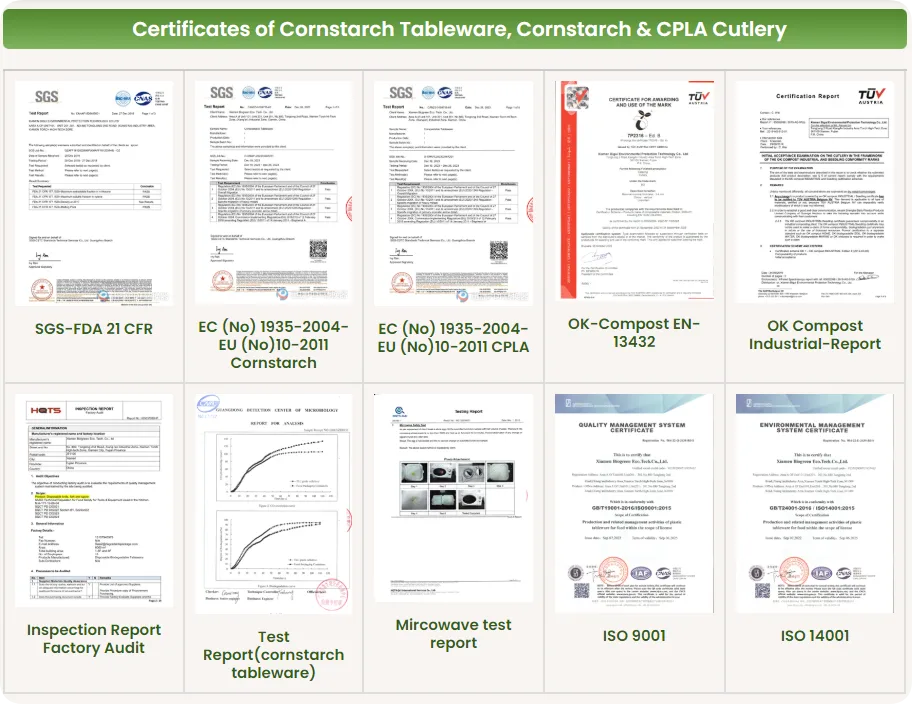
Bioleader works diligently to ensure that all its products meet or exceed international standards for biodegradability and compostability, including certifications like BPI, DIN CERTCO, and OK COMPOST. Clear labeling and transparency are key elements of Bioleader’s strategy to help consumers and businesses identify true biodegradable products. By adhering to stringent certification processes and regularly testing its products for compliance, Bioleader ensures that its biodegradable cutlery is not only effective but also genuine, providing a trustworthy alternative to traditional plastics.
Part 8: Future Outlook & Conclusion
From “Degradability” to “Circular Economy”: Bioleader is committed to shifting the focus of biodegradable products from mere degradability to contributing to a circular economy. By integrating biodegradable materials into the larger recycling and composting ecosystem, we are helping to close the loop and reduce environmental impact.
Conclusion: Bioleader is more than a manufacturer of biodegradable cutlery. We are a key enabler of global carbon reduction solutions. As the market grows and demand for sustainable solutions rises, Bioleader’s innovative approach to materials science, smart manufacturing, and global compliance positions us as a leader in the low-carbon economy. Together with our global partners, we are building a sustainable future for the next generation.
8.1 From “Degradability” to “Circular Economy”
As the biodegradable cutlery market continues to grow, Bioleader is working to shift the conversation from degradability alone to a broader focus on contributing to a circular economy. While biodegradability remains a key aspect of sustainability, the true long-term impact of biodegradable products lies in their ability to integrate seamlessly into the larger recycling and composting ecosystem.
Bioleader is committed to ensuring that its products not only decompose efficiently but also become part of a closed-loop system. By supporting industrial composting infrastructure and promoting sustainable waste management practices, Bioleader helps its products return to the earth as valuable nutrients, enriching the soil and reducing landfill waste. This vision of circularity goes beyond simply reducing plastic waste; it’s about creating a sustainable cycle where materials are continually reused and regenerated.
8.2 Conclusion
Bioleader is not just a manufacturer of biodegradable cutlery; we are a key enabler of global carbon reduction solutions. Our commitment to material innovation, smart manufacturing, and environmental compliance has positioned us as a leader in the low-carbon economy.
As global demand for sustainable alternatives to traditional plastics rises, Bioleader’s cutting-edge biodegradable materials, AI-powered manufacturing, and international certifications ensure that we are well-equipped to meet the needs of our customers, wherever they are.
Our future vision is to empower businesses around the world to achieve their sustainability goals by offering high-performance, affordable, and environmentally responsible cutlery solutions. By working together with our partners, we aim to accelerate the transition to a more sustainable world, where the packaging and foodservice industries are not just compliant with regulations but actively contributing to the reduction of carbon footprints and waste.
We are proud to be part of a growing movement towards a greener, more sustainable future, and we invite our global partners to join us in building this future, one biodegradable spoon, fork, and knife at a time.
References:
Gartner, “Global Biodegradable Packaging Market Trends: The Road to Sustainability”, 2025.
McKinsey & Company, “Packaging Innovation in the Sustainability Era: Biodegradable and Compostable Solutions”, 2024.
ISO, “ISO 14855:2019 – Determination of the Ultimate Aerobic Biodegradability of Plastic Materials in Industrial Composting Conditions”, 2024.
European Commission, “EU Single-Use Plastics Directive (SUP): A Path Toward Plastic-Free Europe”, 2025.
BPI (Biodegradable Products Institute), “BPI Certification for Compostable Products: Ensuring Environmental Responsibility”, 2025.
DIN CERTCO, “Certification of Biodegradable Packaging Materials: Compliance with EU Regulations”, 2024.
Journal of Industrial Ecology, “Advances in Biodegradable Materials for Sustainable Packaging: A Focus on PLA and PHA”, 2024.
Copyright Notice:
© 2026 Bioleader®. If you wish to reproduce or reference this content, you must provide the original link and credit the source. Any unauthorized copying will be considered an infringement.