











What Is PLA? A Scientific & Practical Introduction to Polylactic Acid
Quick Summary: PLA (polylactic acid or polylactide) is a thermoplastic polyester commonly made from fermented
Quick Summary: PLA (polylactic acid or polylactide) is a thermoplastic polyester commonly made from fermented
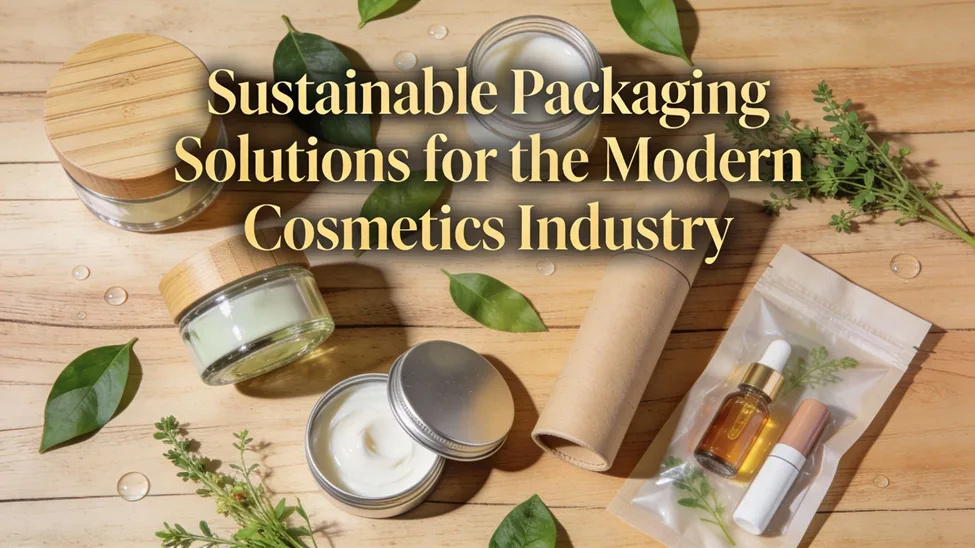
The cosmetics industry is at a crossroads with premium products requiring more environmentally friendly production

Quick Summary: Canada’s 2025–2026 compostable packaging rules require suppliers to comply with ASTM/EN standards, PFAS-free

Quick Summary: Best Plastic Cup Alternatives for Foodservice For foodservice buyers comparing plastic cup alternatives,

Quick Summary: Georgia’s 2026 plastic ban will ban single-use plastic food-contact products, including cutlery, cups,

Quick Summary: As the 2026 single‑use plastic ban approaches in Georgia, businesses must adopt sustainable

About HS Codes & Buyers’ Guide Please refer to our official guide — “The Definitive

Quick Summary: Choosing the right eco-friendly lunch boxes for home meal prep and office meals

Quick Summary: As Georgia prepares for its 2026 plastic ban, B2B buyers must explore eco-friendly

Quick Summary: GCC countries (Saudi Arabia, UAE, Qatar, Kuwait, Oman, Bahrain) will enforce full or

Quick Summary: Extended Producer Responsibility (EPR) regulations for 2025-2026 are shaping the future of food

Quick Summary: Choosing the right biodegradable steak & hot-meal boxes requires evaluating three engineering factors—heat
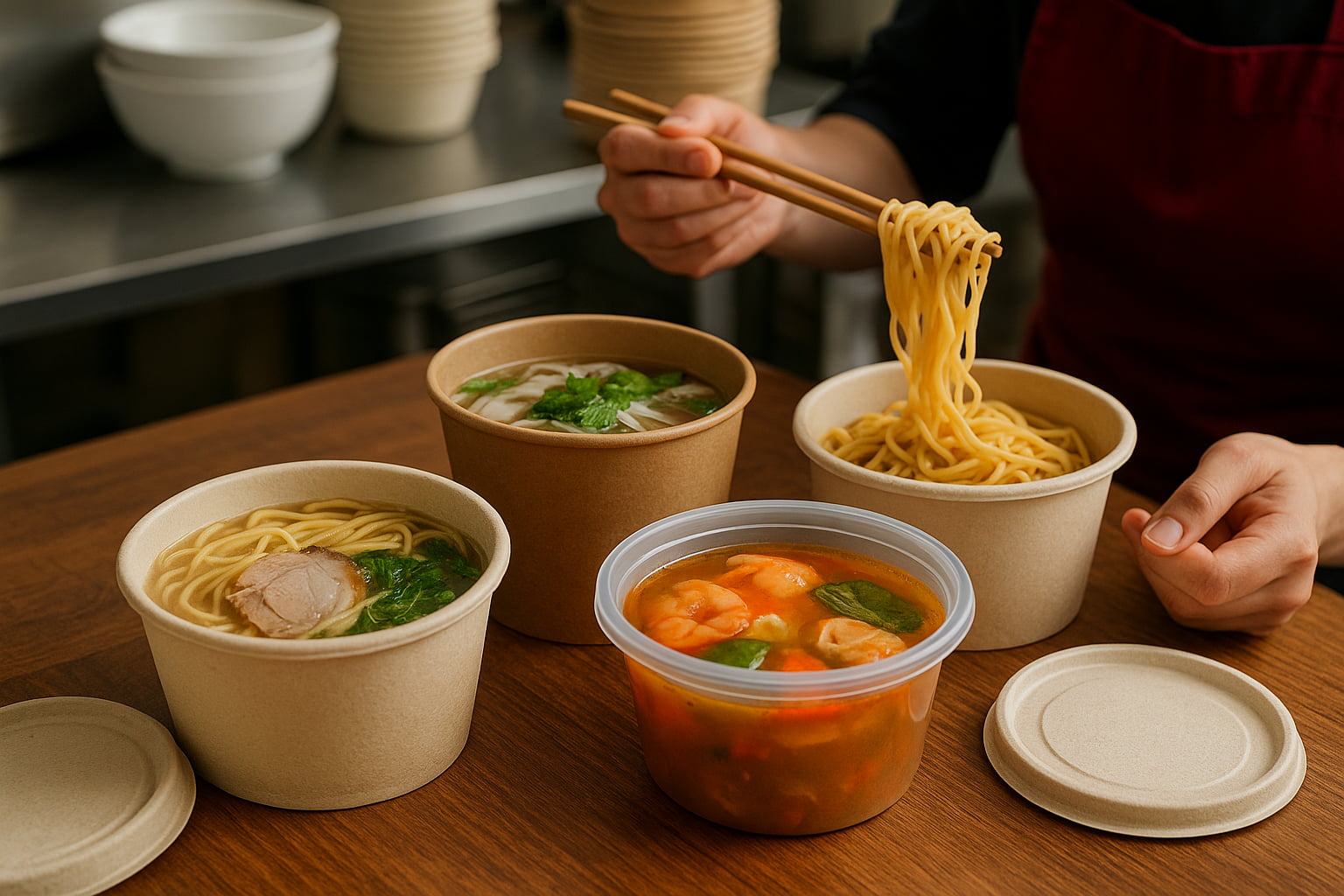
Quick Summary: Noodle and soup shops require to-go containers that withstand extreme heat, steam pressure,

Quick Summary: Bagasse and cornstarch are two of the most widely adopted plant-based materials in
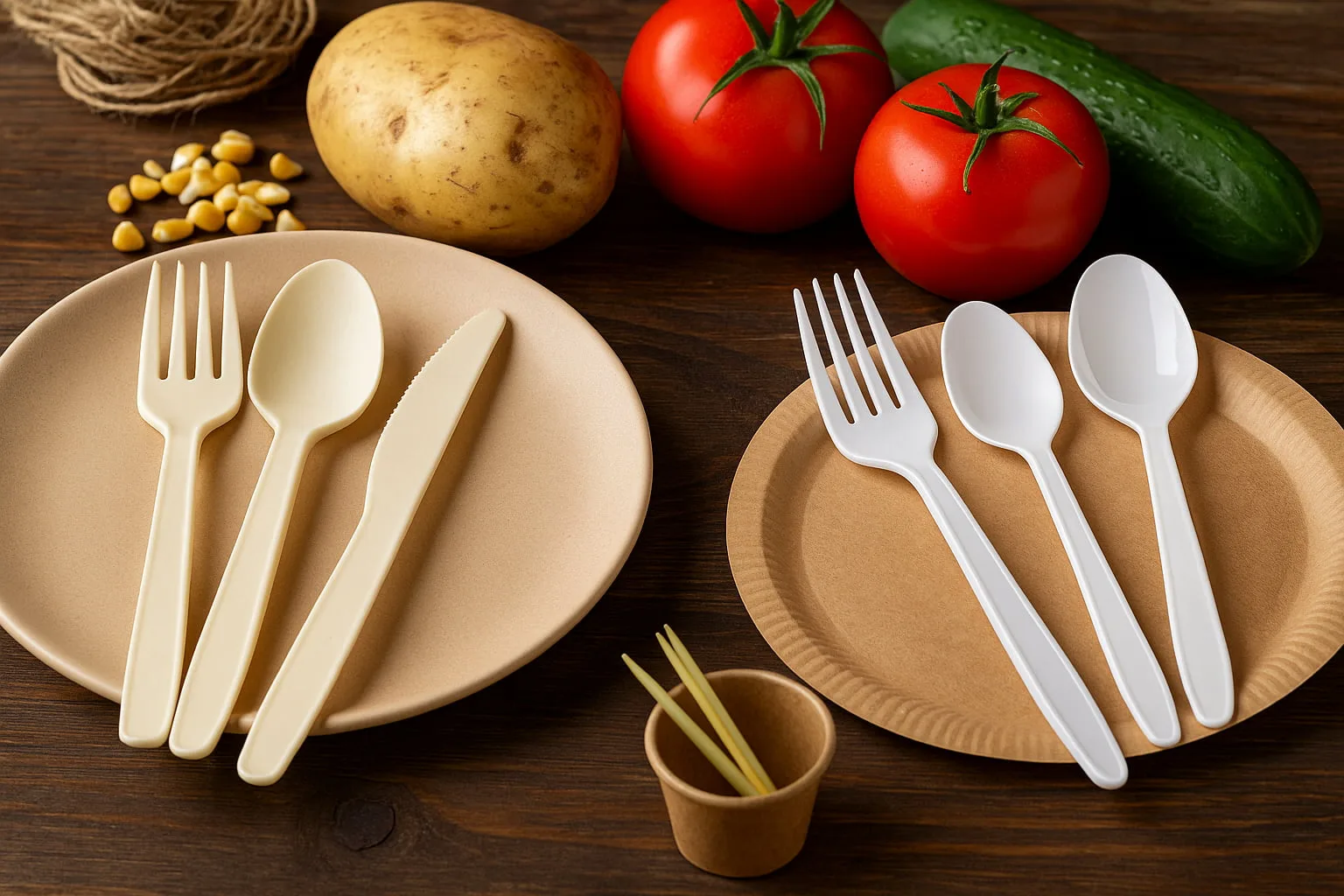
Quick Summary: CPLA and cornstarch cutlery are the two leading biodegradable materials replacing plastic utensils

Quick Summary: PFAS-free packaging in 2026 should be treated as a product-specific compliance and verification

Quick Summary: Selecting the right disposable takeout containers requires evaluating heat behavior, oil resistance, leakproof
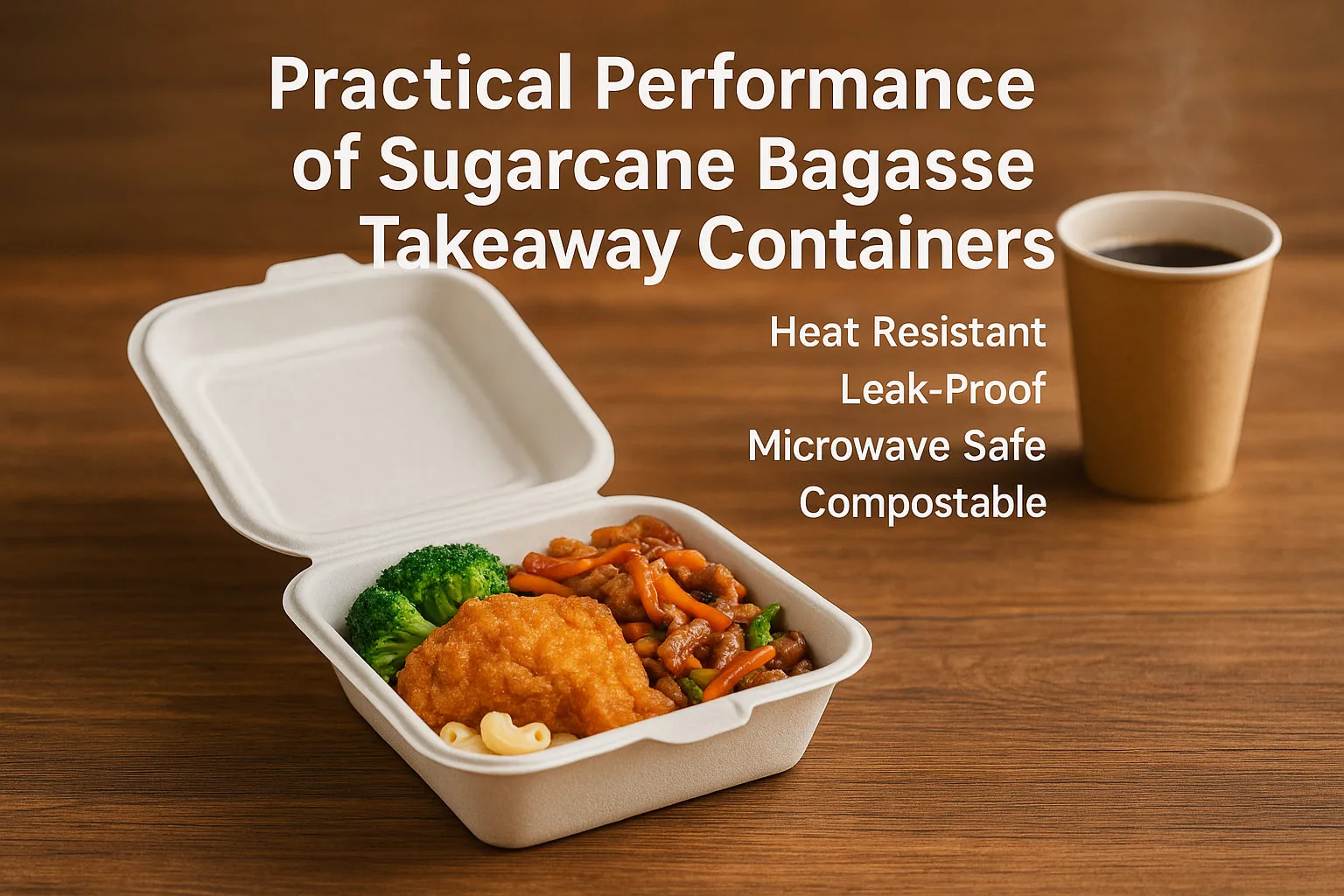
Quick Summary: Sugarcane bagasse takeaway containers demonstrate strong real-world performance across heat resistance, leak prevention,

In 2025, “biodegradable” is everywhere on packaging—cups, bowls, bags, and cutlery. But for serious buyers,

Quick Summary: Compostable cutlery made from CPLA, cornstarch, or bagasse typically decomposes within 45–180 days

Quick Summary Choosing the right biodegradable to-go containers for restaurants requires evaluating heat resistance, oil

Quick Summary: What the EU Bamboo-zling Action Actually Means The EU did not ban every

Quick Summary: Choosing a reliable biodegradable cutlery supplier involves more than comparing prices. Buyers must

Quick Answer: PLA cups are clear bioplastic cups made from polylactic acid, a thermoplastic polyester

Quick Summary: This data-driven comparison reveals how compostable cutlery made from CPLA and cornstarch drastically

Quick Summary: This comprehensive comparison explains the key differences between PLA, PP, and PET cups

Quick Summary: Compost for grass is a sustainable way to feed your lawn naturally without

Eco-friendly deodorant packaging reduces waste and appeals to conscious consumers. Materials like cardboard tubes and
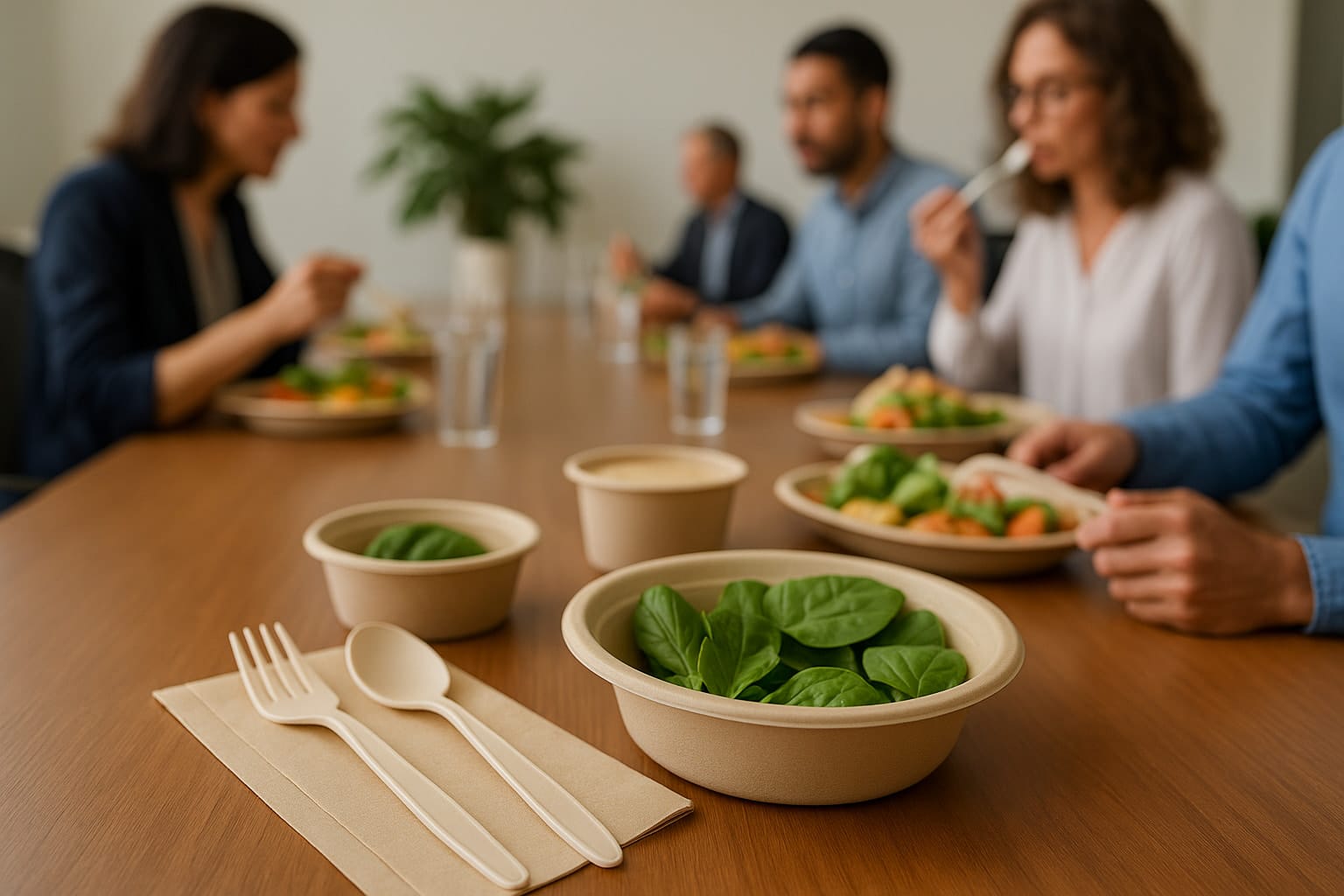
Quick Summary: For tasting bars and demo counters, standardize on compostable cutlery only—use CPLA spoons/forks/knives

Quick Summary: Compostable PLA cups, made from renewable corn starch or sugarcane, are a transparent

Quick Summary: This comprehensive guide helps restaurants, cafés, and foodservice brands select the right compostable
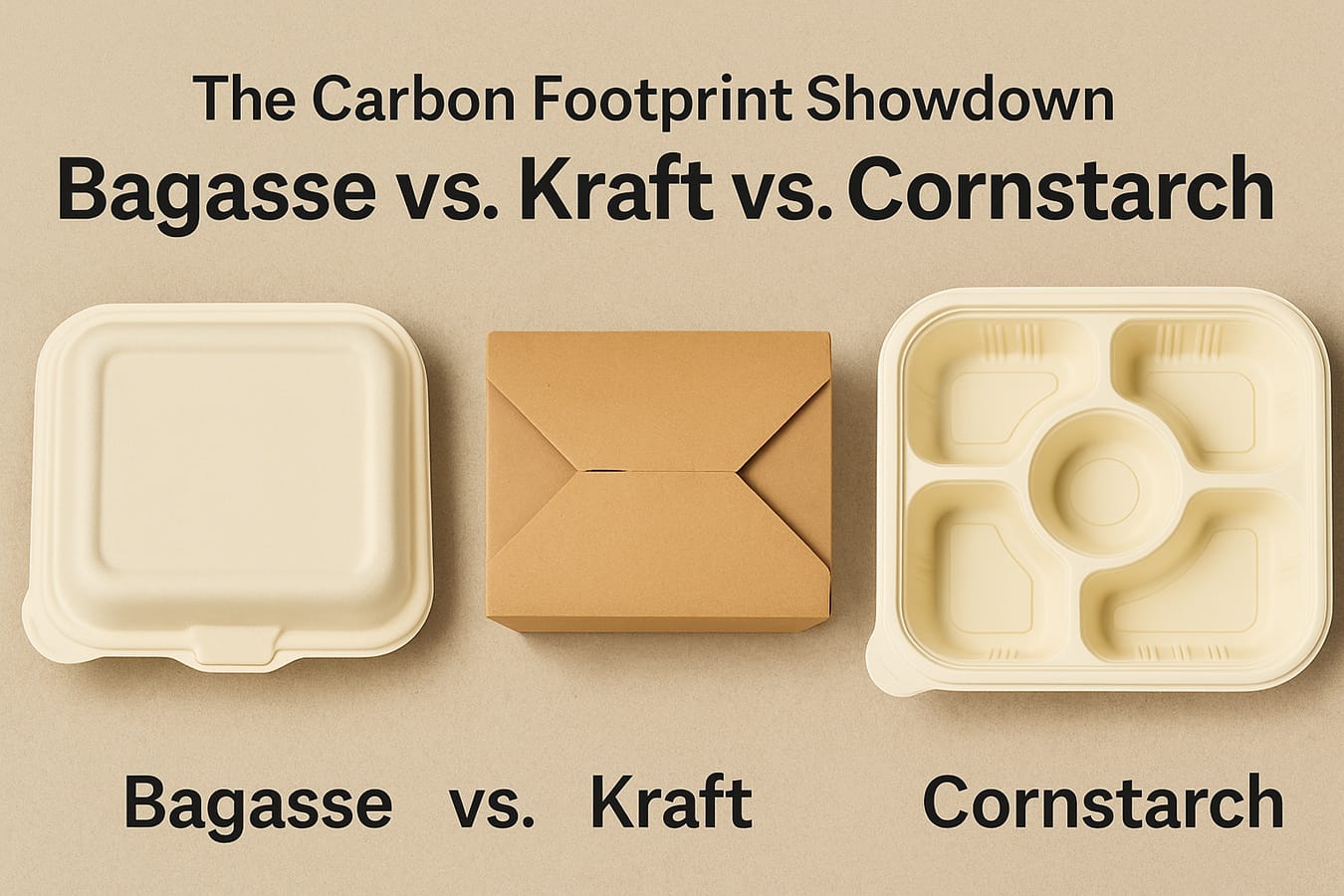
Quick Summary: In recovery-friendly markets and standard applications, choose Bagasse first. For general hot/cold foods—across