Bagasse, a fibrous byproduct of sugarcane, is widely praised for its eco-friendly properties and increasing use in packaging and tableware. But for brands and businesses seeking to combine sustainability with custom branding, one key question often arises: Can you print on bagasse? The short answer is yes—but how it’s done, what methods work best, and whether it meets modern sustainability and visual branding needs is what we’re about to explore in depth.
In this article, we’ll uncover the science behind printing on bagasse, real-world use cases, printing techniques, and implications for businesses in packaging, hospitality, and food services.
What Is Bagasse and Why Does It Matter for Printing?
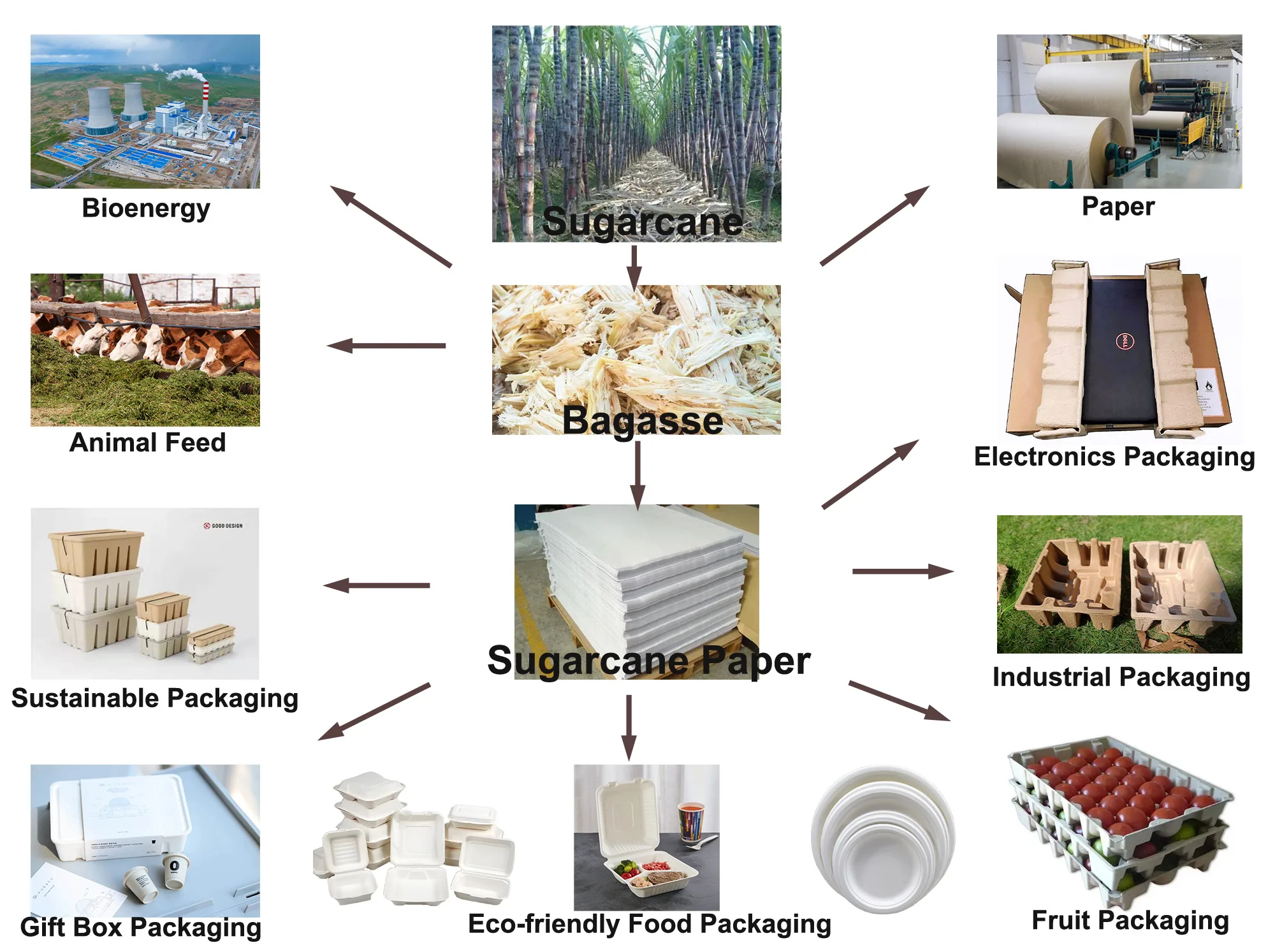
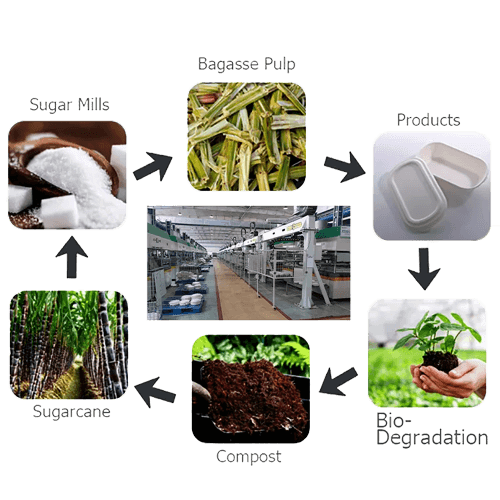
Bagasse is the dry, pulpy residue left after sugarcane stalks are crushed to extract juice. Traditionally considered agricultural waste, bagasse has found new life as a base material for biodegradable packaging, tableware, and molded containers.
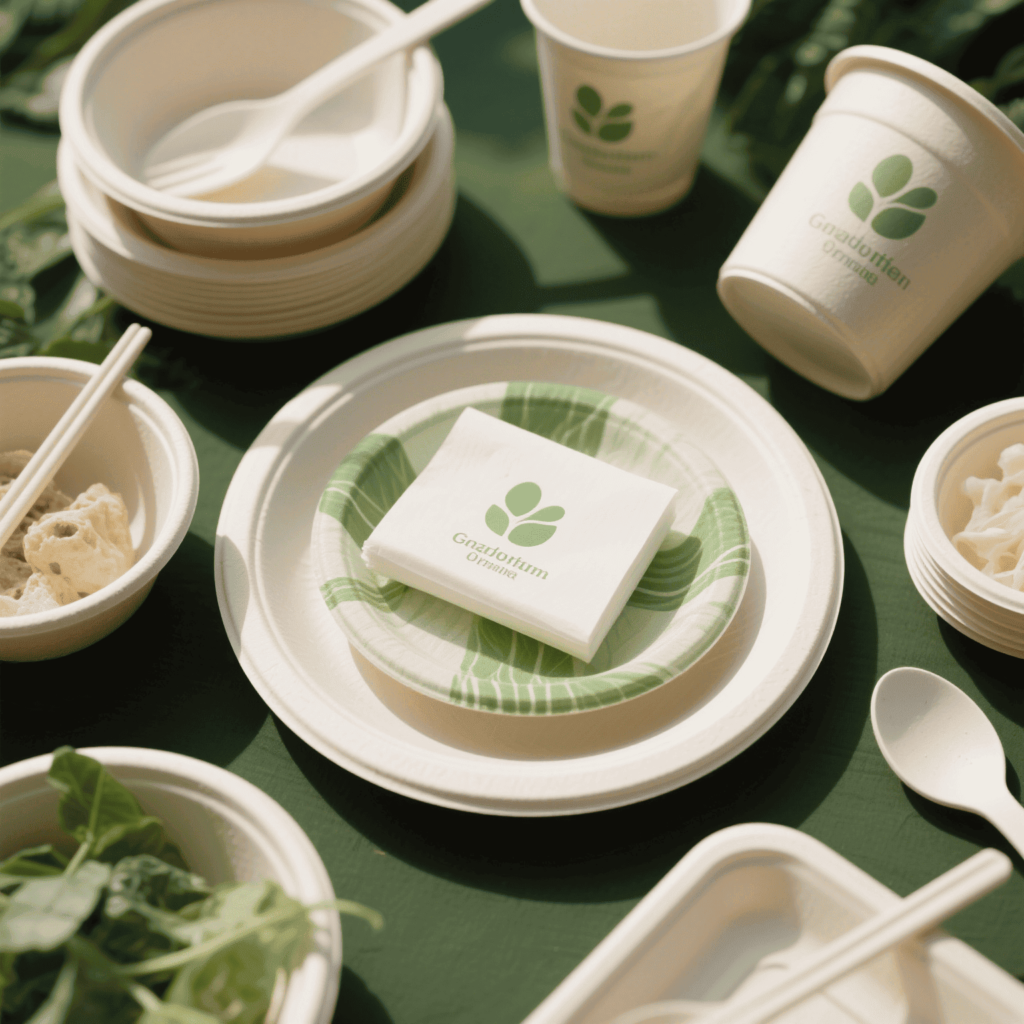
At Bioleader®, we transform this sustainable material into high-performance bagasse tableware and bagasse food containers that meet the needs of eco-conscious businesses worldwide. Our products not only uphold strict compostability standards but are also engineered for custom printing compatibility, giving brands the opportunity to combine sustainability with strong visual identity.
Whether you’re a food service provider, packaging distributor, or retailer, Bioleader®’s sugarcane bagasse products offer the ideal foundation for safe, stylish, and brandable packaging solutions.
What is Sugarcane Bagasse Used For
Can You Print on Bagasse? A Clear Yes, But With Nuance
Yes, bagasse can be printed on—but not every printing method yields good results. Bagasse surfaces absorb ink more readily than plastic or smooth paperboard, so choosing the right ink and printing method is crucial.
Compatible Printing Techniques
Flexographic Printing – Best for high-volume runs, using fast-drying, water-based inks.
Offset Printing – Offers high-resolution output but works best on smoother bagasse surfaces.
Digital Inkjet Printing – Great for low to medium runs, including variable data like barcodes or QR codes.
Screen Printing – Excellent for bold, simple logos.
Pad Printing – Ideal for irregular surfaces, such as round bowls or lids.
Bioleader® offers printing consultation and in-house customization for branded bagasse food containers, helping clients maintain both environmental responsibility and visual consistency.
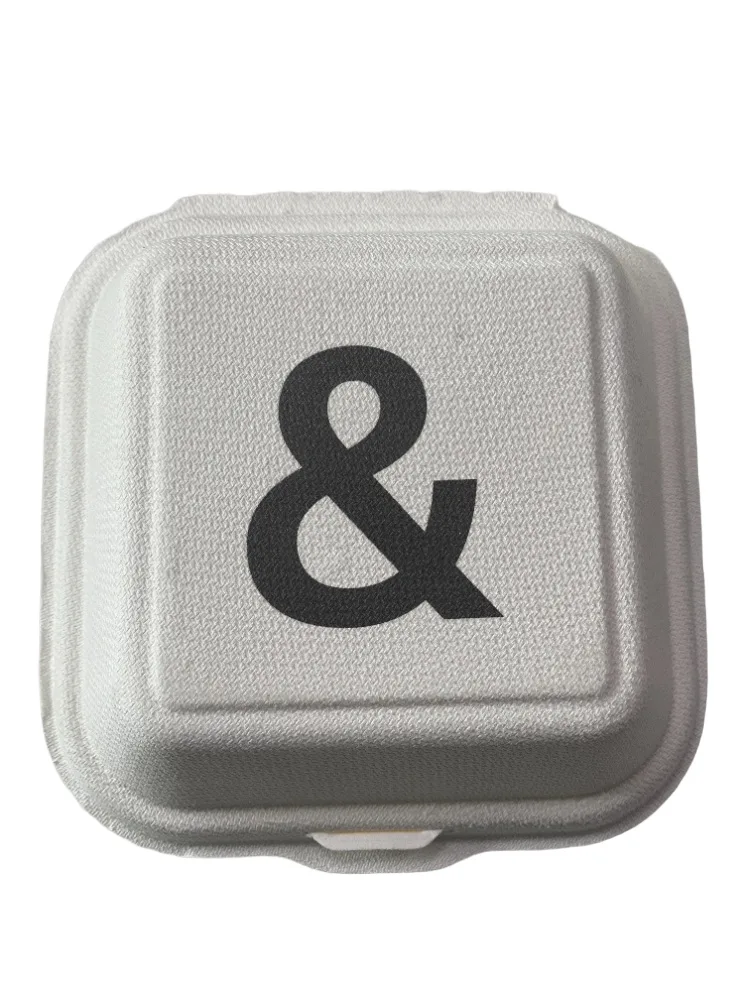
bagasse plate printed
Key Considerations When Printing on Bagasse
1. Surface Texture
Bagasse is fibrous by nature. Products with a smoother finish enable better ink adhesion and crisper results.
2. Ink Selection
Use soy-based or water-based inks for sustainability.
UV-curable inks can speed drying and improve durability.
Avoid solvent-based inks that compromise compostability.
3. Moisture Content
Controlling humidity ensures consistent ink performance and avoids bleeding or fading.
4. Print Durability
For items like takeaway boxes or bowls that may contain hot or moist food, consider protective coatings like compostable varnish.
Scientific Data & Two Real-World Case Studies
Scientific Evidence
A 2021 study in the Journal of Renewable Materials evaluated biodegradable printing substrates, including sugarcane bagasse:
Bagasse absorbed 30–40% more ink than kraft or recycled paperboard.
Flexographic printing delivered the most consistent color results.
Pre-treated or smoothed bagasse surfaces significantly improved ink retention.
Case Study 1 – BioBite Café (USA)
BioBite Café used digitally printed bagasse bowls to include QR codes linking to their farm-to-table story. Within 90 days, QR scan rates rose 17%, while customer reviews praised the eco packaging.
Case Study 2 – Bioleader® Client (Europe)
A fast-growing food chain in Europe partnered with Bioleader® to produce custom-printed sugarcane clamshell containers. The project combined flexo printing and compostable soy ink, meeting both branding and compostability standards. The client reported a 23% increase in brand recall among eco-conscious consumers.
✅ Differentiates your brand in a competitive market
Why Brands Choose Bioleader® for Printed Bagasse Packaging
✅ In-house printing capabilities for flexo, pad, and digital inkjet
✅ Biodegradable inks and materials that meet global standards
✅ Custom-molded solutions tailored for branding visibility
✅ Export-ready logistics to over 40 countries
✅ Free consultation for branding and product compliance audits
Whether you’re a local café or a global food chain, Bioleader® delivers sustainable packaging that speaks your brand’s language—visibly and responsibly.
Proper printing on bagasse does not compromise its compostability—as long as:
Non-toxic, compostable inks are used
Plastic coatings are avoided
Printing complies with industrial composting guidelines
Bioleader® exclusively uses certified inks and techniques to ensure our printed products retain their eco status, from production to post-use disposal.
FAQ
1. Can you use eco-friendly ink on bagasse tableware?
Yes, eco-friendly inks such as soy-based or water-based inks are safe and compatible with bagasse surfaces. They maintain the compostability of the product and avoid harmful chemicals.
2. Will printing affect the compostability of bagasse?
Not if the right ink is used. Using certified compostable inks ensures the bagasse remains biodegradable and safe for industrial or home composting.
3. Can bagasse containers be printed in full color?
Yes, bagasse containers can support full-color printing using flexographic or offset techniques, as long as the surface is properly treated and the inks are food-safe.
4. Is printed bagasse safe for direct food contact?
If the printing is done using food-grade, non-toxic ink and kept on the outside surface, printed bagasse products remain safe for direct food contact.
5. What is the most common printing method for bagasse products?
Flexographic printing is widely used due to its efficiency and compatibility with molded fiber surfaces. For small batches or detailed graphics, digital printing may also be applied.
Conclusion — Yes, You Can Print on Bagasse!
The question isn’t just whether you can print on bagasse—but how to do it responsibly, beautifully, and cost-effectively. From café containers to international packaging, printed bagasse products offer an eco-forward canvas for meaningful brand engagement.
With Bioleader® by your side, you gain a partner who understands both the science and the style of sustainable branding. Let your packaging speak your values—loud, clear, and compostable.
References
S. Kumar et al. (2021). Comparative Analysis of Ink Absorption in Biodegradable Substrates. Journal of Renewable Materials.
U.S. EPA. Composting and Biodegradable Packaging Standards. www.epa.gov
Founder of Bioleader® | Sustainable Packaging Expert
15+ years of expertise in advancing sustainable food packaging. I provide one-stop, high-performance solutions—from Sugarcane Bagasse & Cornstarch to PLA & Paper—ensuring your brand stays green, compliant, and cost-efficient.