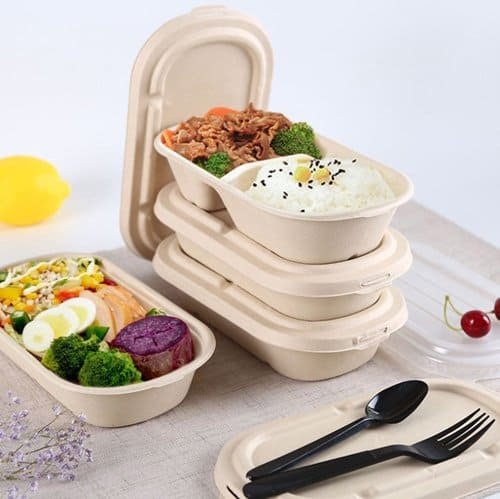
Introduction: Compostables Go Mainstream
For years, compostable tableware was viewed as a niche product primarily embraced by cafés, coffee shops, and a handful of eco-conscious restaurants. In 2025, the landscape has shifted dramatically. The global wave of plastic bans, PFAS restrictions, and consumer demand for sustainable solutions has pushed compostables far beyond foodservice.
From hospitals and airlines to universities, stadiums, and outdoor festivals, businesses across industries are adopting compostable bowls, bagasse clamshell containers, PLA cold drink cups, and biodegradable cutlery. What was once considered an optional “green upgrade” is now a regulatory requirement, a branding necessity, and, in many cases, a cost-saving solution when lifecycle impacts are considered.
This article takes an in-depth look at seven industries where compostable tableware has gained surprising traction in 2025. Along the way, we’ll explore industry drivers, real-world examples, buyer challenges, and how suppliers like Bioleader® are enabling this transformation.
Why Compostable Tableware Is Expanding Beyond Foodservice
The rise of compostables in new sectors is not coincidental—it’s the result of three converging forces:
Environmental Pressure
Plastic waste continues to grow at alarming rates. Less than 10% of plastic globally is effectively recycled, and the remainder often ends up in landfills or oceans. Compostable packaging offers a solution that naturally returns to the earth within 3–6 months under industrial composting. Governments, particularly in the EU, Canada, and select U.S. states, are enforcing laws that make compostables not just preferred but required.
Business Drivers
Today, packaging is brand communication. A hospital serving meals in PFAS-coated plastic trays signals indifference to patient safety. A university providing meals in compostable bagasse bowls communicates leadership and responsibility. Businesses realize compostables are no longer a cost burden but an investment in reputation, compliance, and long-term competitiveness.
Supply Chain Maturity
Suppliers have scaled dramatically. Factories in China and Asia-Pacific now produce millions of units of bagasse containers, PLA compostable cups, cornstarch cutlery, and kraft paper bowls every month, making wholesale procurement accessible. Certifications like EN13432, ASTM D6400, BPI, and LFGB ensure compliance across global markets.
7 Industries Adopting Compostable Tableware in 2025
1. Hospitals & Healthcare Facilities
Healthcare facilities have been major contributors to single-use plastic waste, with patient meals, cafeteria services, and staff dining generating millions of disposable trays, cups, and utensils daily. In 2025, hospitals are rapidly replacing these items with compostable alternatives.
Drivers:
Patient health and safety concerns.
Regulatory bans on PFAS in food-contact packaging.
The need for sterile, single-use items that also meet sustainability goals.
Popular Products:
Bagasse meal trays: Durable, grease-resistant, and heat-tolerant for hot meals.
PLA soup cups with lids: Safe for hot liquids, industrially compostable.
Cornstarch spoons and forks: Easy-to-use, lightweight utensils.
Impact: Hospitals adopting compostable trays reduce landfill waste and demonstrate leadership in patient-centered sustainability. A healthcare provider in Europe, for instance, reported a 40% reduction in packaging-related emissions after switching from plastic trays to bagasse containers.

2. Airlines & In-Flight Catering
The aviation industry faces enormous pressure to reduce its carbon footprint, not only from fuel but also from waste management. Airplane meals generate tons of packaging waste daily. Compostables offer airlines a chance to cut emissions while improving passenger experience.
Drivers:
Aviation sustainability pledges aiming for net-zero by 2050.
Lightweight compostable packaging reduces waste handling costs.
Passenger preference for airlines with visible sustainability commitments.
Popular Products:
Compostable airline meal trays: Bagasse-based, sturdy, and safe for hot food.
CPLA cutlery: Withstands high temperatures for in-flight dining.
PLA cold drink cups: Ideal for juice, soda, or iced coffee.
Impact: An airline in Asia-Pacific recently adopted Bioleader® bagasse trays and CPLA cutlery for its regional flights, saving an estimated 200 tons of plastic annually while improving passenger satisfaction ratings.
3. Schools & Universities
Education institutions have embraced compostables not just for compliance, but as a teaching tool. By adopting compostable packaging, schools lead by example and instill sustainable habits in younger generations.
Drivers:
Government green procurement policies.
Desire to promote environmental education.
High visibility of cafeterias as daily touchpoints.
Popular Products:
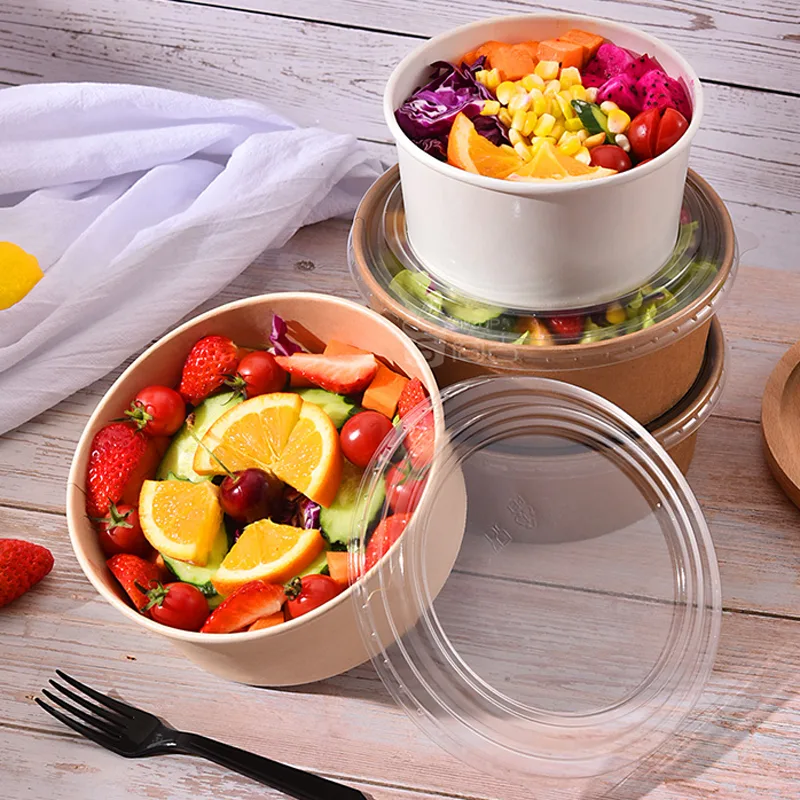
Kraft paper bowls with lids: For soups, pasta, and noodles.
Cornstarch cutlery in bulk: Cost-effective for large student populations.
Bagasse clamshell containers: For take-home or campus catering.
Impact: A major university in the United States transitioned its entire cafeteria system to compostable bowls and utensils, reducing plastic waste by 80%. Students not only supported the change but actively promoted it through sustainability campaigns.
4. Corporate Offices & Tech Campuses
In 2025, ESG (Environmental, Social, Governance) reporting is no longer optional for multinational corporations. Companies must show tangible action on sustainability, and cafeterias are often the most visible evidence.
Drivers:
ESG performance metrics and investor pressure.
Employee demand for sustainable practices in the workplace.
Corporate branding as a sustainability leader.
Popular Products:
Bagasse lunch boxes: For staff meals and catering services.
PLA compostable cups: Widely used in tech campus beverage stations.
Compostable salad bowls: Perfect for grab-and-go healthy dining.
Impact: A Silicon Valley tech giant implemented compostable containers in all cafeterias, diverting over 1,000 tons of packaging from landfills annually and boosting employee satisfaction scores related to workplace sustainability.
5. Stadiums & Large Venues
Sports stadiums, concert halls, and convention centers generate enormous volumes of food packaging waste. Compostables solve a critical problem: they can be collected in bulk and sent to industrial composting facilities.
Drivers:
Waste management pressures at large events.
Public scrutiny of event organizers’ environmental practices.
Convenience of compostable disposables for high-traffic dining.
Popular Products:
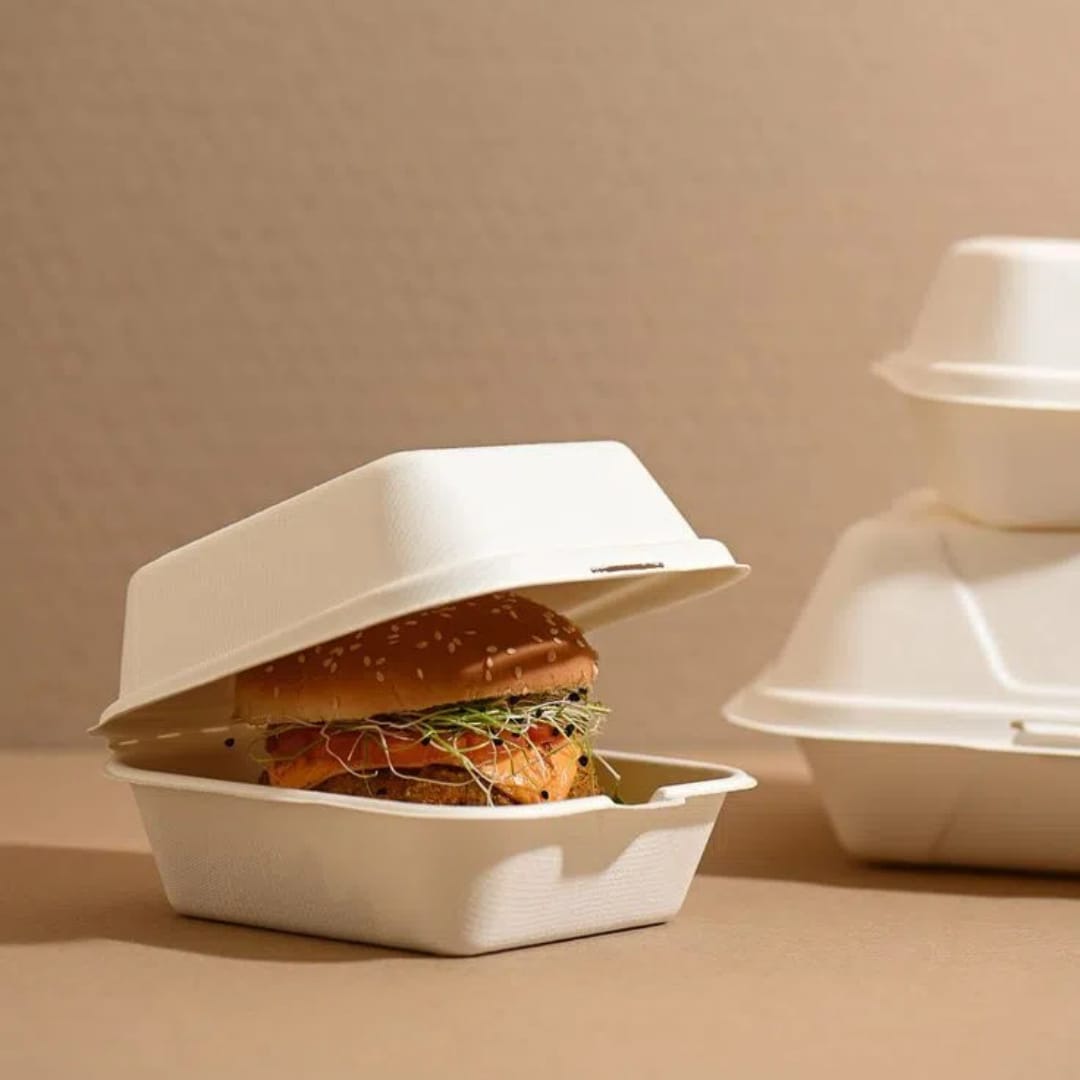
Compostable food containers in bulk: For burgers, fries, and fast meals.
Cornstarch cutlery: Lightweight and disposable for quick-service stands.
Bagasse plates and trays: Used for vendor meals and catering.
Impact: A major European football stadium switched entirely to compostable tableware for a season, eliminating over 2 million plastic items and gaining positive media coverage.
6. Hotels & Resorts
Tourism and hospitality industries have embraced compostables as part of the sustainable travel movement. Eco-friendly packaging enhances guest experience and aligns with global tourism certifications.
Drivers:
Sustainable tourism standards (e.g., Green Globe certification).
Guest expectations for eco-friendly hospitality.
Ban on plastic disposables in many tourist destinations.
Popular Products:
Bagasse plates and trays: Used in breakfast buffets and room service.
Kraft paper soup bowls: For takeaway meals or beachside dining.
PLA cold cups: Popular for poolside and outdoor beverages.
Impact: A luxury resort in Southeast Asia replaced all room service packaging with compostable alternatives, reporting higher guest satisfaction and achieving eco-certification that attracted new clientele.
7. Outdoor Events & Festivals
Music festivals, cultural fairs, and food markets are high-visibility platforms for compostables. Organizers reduce cleanup costs and appeal to eco-conscious attendees.
Drivers:
Festival-wide sustainability pledges.
Ease of waste collection at centralized composting stations.
Strong consumer preference for eco-friendly events.
Popular Products:
Compostable bowls with lids: For food trucks and vendors.
Eco-friendly cutlery bulk orders: Essential for large-scale serving.
Bagasse clamshells: For takeaway festival food.
Impact: A U.S. music festival shifted to 100% compostable packaging, diverting 85% of waste from landfill and positioning itself as a leader in green events.

Challenges and Considerations for Buyers
While compostables are expanding rapidly, buyers must navigate several challenges:
Cost and Bulk Procurement: Compostables can be slightly more expensive upfront, but wholesale orders often offset costs. Buyers must evaluate lifecycle savings and regulatory benefits.
Regulatory Compliance: Each region has different rules (EU SUPD, U.S. PFAS bans, Canada Zero Plastic Waste). Buyers must ensure certifications match their market.
Infrastructure Limitations: Compostables need proper composting systems; recyclables require strong collection systems. Assess local waste management before committing.
Supplier Reliability: Key considerations include minimum order quantities (MOQ), production lead times, certifications, and export experience.
Case Study: How Bioleader® Supplies Diverse Industries
Bioleader®, based in Xiamen, China, has emerged as a global supplier meeting the diverse needs of hospitals, airlines, schools, offices, stadiums, hotels, and festivals.
Compostable Range: Bagasse containers, PLA cups, CPLA cutlery, cornstarch utensils, kraft bowls.
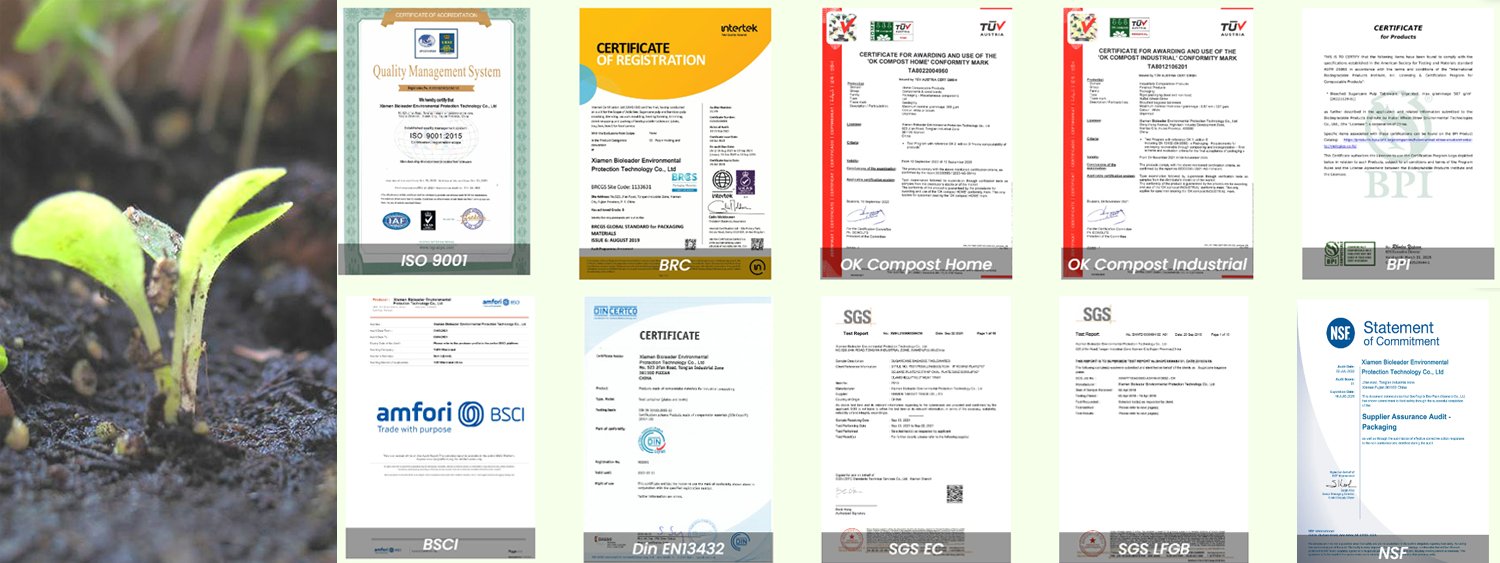
Certifications: EN13432, ASTM D6400, BPI, LFGB, FSC.
Factory Scale: Automated production with flexible MOQ and customization.
Export Reach: Proven record in the EU, U.S., Canada, and Asia-Pacific.
Customization: Printing, embossing, and OEM services.
With expertise across both compostable and recyclable options, Bioleader® helps buyers adapt to regional regulations while minimizing carbon emissions.

Conclusion: The Future of Compostable Tableware Beyond Cafés
The rapid adoption of compostables across hospitals, airlines, schools, offices, stadiums, hotels, and festivals demonstrates a fundamental shift: sustainable packaging is no longer optional—it is essential.
By 2030, compostables will dominate foodservice in multiple sectors, supported by legislation, consumer demand, and mature global supply chains. Buyers who move early to secure PFAS-Free, certified compostable products will not only reduce emissions but also strengthen compliance, branding, and customer trust.
FAQ
What industries are using compostable tableware besides restaurants?
Hospitals, airlines, schools, offices, hotels, stadiums, and festivals are leading adopters in 2025.
Are compostable bowls safe for hospitals and healthcare facilities?
Yes. Bagasse trays and PLA cups are PFAS-Free, heat-resistant, and meet food safety standards.
Can airlines really switch to compostable packaging for in-flight meals?
Yes. Many airlines already use bagasse trays and CPLA cutlery to reduce waste and emissions.
What compostable options are best for school cafeterias in 2025?
Kraft paper bowls, cornstarch cutlery, and bagasse clamshells are ideal for large-scale school dining.
How do buyers source compostable tableware wholesale for large events?
Partner with certified suppliers offering bulk purchase options, customization, and export compliance.
References
European Commission — Single-Use Plastics Directive (SUPD), 2021.
European Committee for Standardization (CEN) — EN13432: Requirements for Compostable Packaging, 2018.
ASTM International — ASTM D6400: Standard Specification for Compostable Plastics, 2020.
U.S. Environmental Protection Agency (EPA) — Sustainable Management of Food Packaging, 2023.
Food and Drug Administration (FDA) — PFAS in Food Contact Materials Guidance, 2022.
Health Canada — Zero Plastic Waste Strategy and Food Packaging Guidelines, 2023.
Ellen MacArthur Foundation — The New Plastics Economy: Rethinking the Future of Plastics, 2016.
World Health Organization (WHO) — Plastics and Human Health Report, 2019.
Market Research Future (MRFR) — Global Compostable Packaging Market Outlook 2025.
Compostable Tableware Beyond Cafés: Strategic Buyer Insights
How Compostables Expand: In 2025, compostable packaging is used in hospitals, airlines, schools, offices, hotels, stadiums, and festivals, far beyond cafés.
Why Adoption Matters: Plastic bans, PFAS restrictions, and consumer pressure make compostables a regulatory and branding necessity. Businesses choosing PFAS-Free, certified solutions gain compliance and customer trust.
Best Product Options: Bagasse containers for hot meals, PLA cups for beverages, kraft paper bowls for soups and salads, cornstarch and CPLA cutlery for large-scale catering.
Buyer Considerations: Check certifications (EN13432, ASTM D6400), MOQ, lead times, and supplier export experience. Match packaging choice to local infrastructure for composting or recycling.
Future Outlook: By 2030, hybrid adoption will dominate: compostables for foodservice, recyclables for beverages. Buyers who move early will reduce emissions and secure competitive advantage.