Introduction – Why the Nordics Set the Global Standard in Sustainable Takeaway Packaging
When it comes to banning disposable packaging and reshaping the future of takeaway and to-go consumption, Nordic countries—Sweden, Norway, Denmark, and Finland—stand at the forefront of global innovation. With some of the world’s strictest policies against single-use plastics and foam containers, these countries have embraced compostable materials such as bagasse, PLA, and kraft paper not as future concepts but as present-day mandates.
In 2025, their combined legislation is influencing not just regional markets, but setting an actionable blueprint for the rest of the world. For foodservice brands, B2B buyers, and packaging manufacturers, understanding how these nations regulate and transform their packaging systems is no longer optional—it’s strategic.
Sweden: From Plastic Taxation to Compostable Transition
1.1 Regulatory Milestone: Sweden’s Plastic Tax and Circular Economy Agenda
Sweden implemented a plastic carrier bag tax in 2020 and extended its sustainable materials mandates to all packaging sectors, including foodservice. The country has aligned its laws with the EU’s Single-Use Plastics Directive (SUP Directive), banning the sale and use of polystyrene clamshells, plastic cutlery, stirrers, straws, and more since July 2021.
In 2022, the Swedish Environmental Protection Agency proposed increased Extended Producer Responsibility (EPR) for packaging waste, requiring companies to pay more for non-compostable, fossil-based materials.
📊 According to a 2023 Swedish EPA report, packaging waste per capita reached 157 kg/year—prompting stricter monitoring and a push toward biodegradable options.
1.2 Industry Impact and Response
Leading brands, including Espresso House and Max Burgers, have phased out plastic cups and boxes in favor of PLA-coated paper cups and bagasse-based takeaway containers. Swedish consumers, known for their eco-consciousness, expect sustainable alternatives for their grab-and-go meals.
1.3 Suitable Compostable Solutions
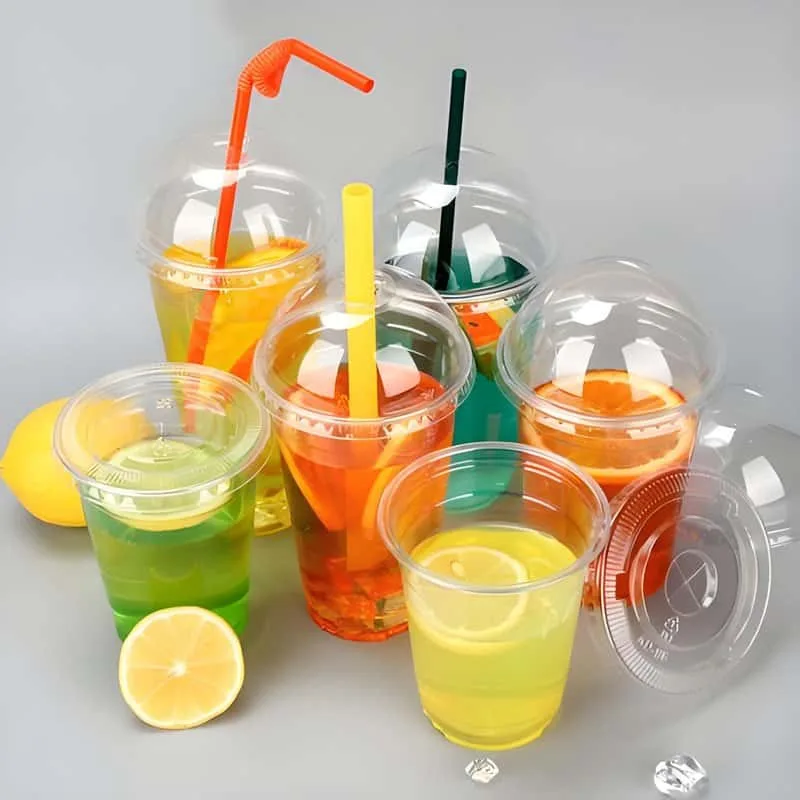
PLA Cold Cups: Transparent, printable, and certified compostable for Sweden’s retail café chains.
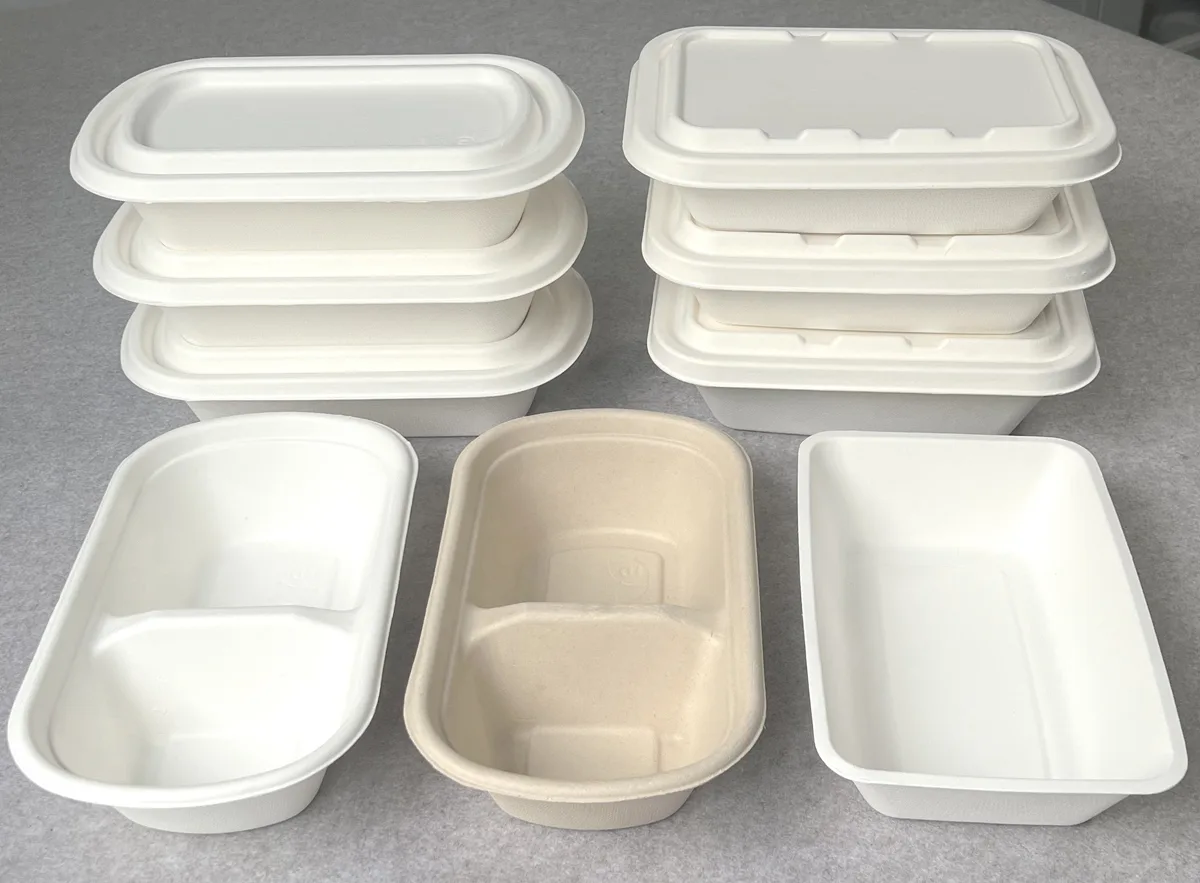
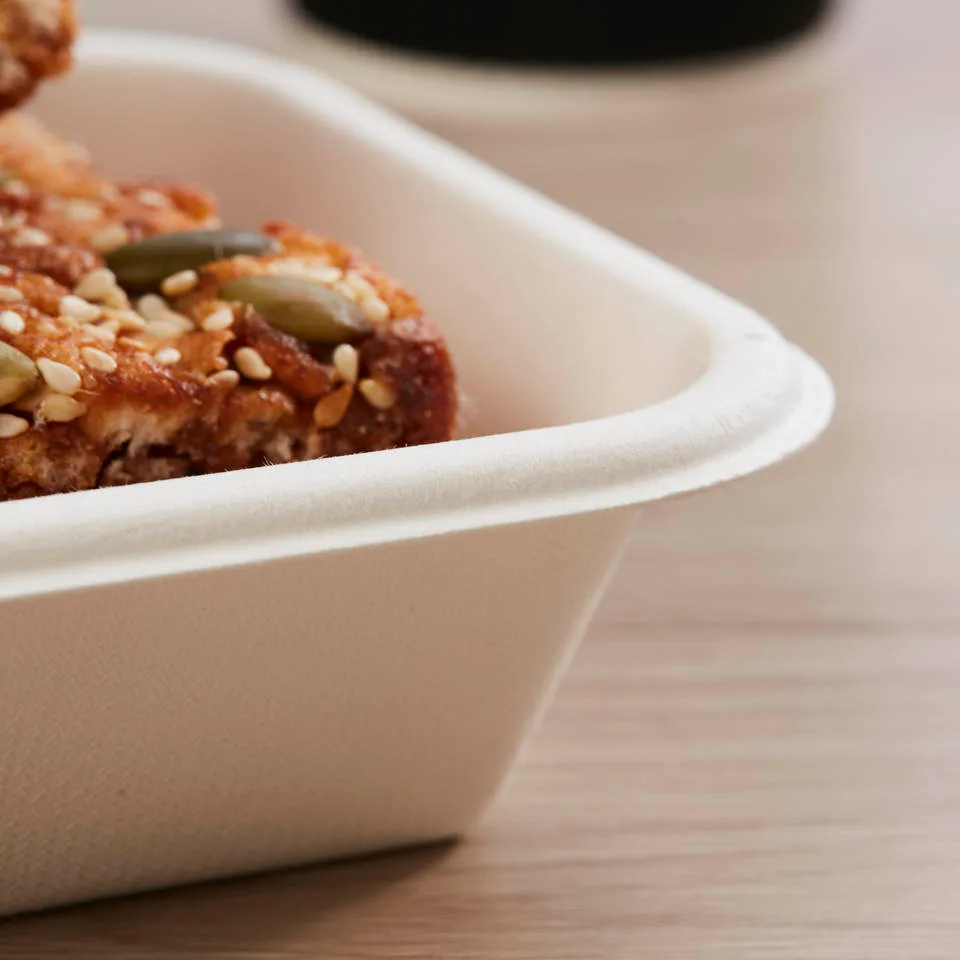
Bagasse Clamshells: Sturdy, leak-resistant and 100% fiber-based—ideal for eco-conscious Swedish restaurants.
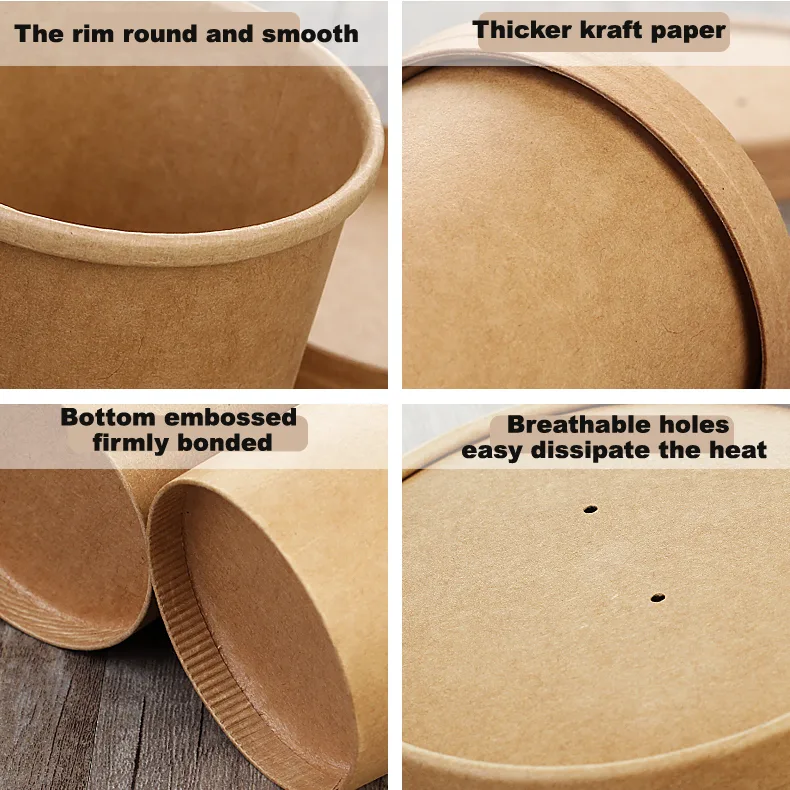
Kraft Paper Salad Bowls: Lined with water-based barrier coating for hot or cold applications.
|
|

Norway: Enforcing the EU SUP Directive Beyond Borders
2.1 EU Law Integration & National Enforcement
Though not an EU member, Norway voluntarily adopts the EU’s SUP Directive and applies strict penalties for businesses violating it. From 2023 onwards, Norway banned foam containers, plastic cutlery, and plastic-foil covered food trays.
According to Miljødirektoratet (Norwegian Environment Agency), non-compliant materials are not eligible for import, making certified compostables a legal necessity.
📈 A 2024 Nordic Innovation survey revealed that 72% of Norwegian SMEs in foodservice now use compostable containers for takeout orders.
2.2 Packaging Shifts in Takeout and Retail
Major retail food chains like Deli de Luca and Narvesen now use bagasse boxes and PLA cutlery. Even gas stations and highway cafés have shifted to eco-friendly packaging to comply with EPR regulations.
2.3 Suitable Compostable Solutions
Compostable Cutlery Sets: BPI-certified, durable, and oil-resistant—well-suited for takeaway meals.
Bagasse Meal Trays: Replace foam or plastic trays in convenience stores and institutional catering.
|
|

Denmark: Green Public Procurement Meets Eco Design
3.1 Government-Led Procurement Transformation
Denmark is widely recognized for its Green Public Procurement (GPP) practices. As of 2023, all public institutions—from universities to military bases—are mandated to purchase only recyclable, reusable, or compostable foodservice packaging.
The Danish Climate Agreement for Waste and Circular Economy aims for 50% waste reduction in single-use packaging by 2030, with tiered goals starting in 2025.
3.2 Private Sector Uptake and Enforcement
Danish food festivals, catering services, and airport concessions (e.g., Copenhagen Airport) have eliminated non-recyclable packaging and now require full traceability on compostable materials.
📊 According to the Danish Environmental Protection Agency, compostable tableware now constitutes 61% of total disposable packaging for public tenders.
3.3 Suitable Compostable Solutions
Bagasse Lunch Boxes & Trays: Oil-resistant and microwave-safe for warm Scandinavian cuisine.
Kraft Paper Soup Containers: Ideal for institutional foodservice—available in 8oz to 32oz sizes.
Printed PLA Cups: Certified for contact with cold beverages; suitable for Denmark’s café sector.
|
|

Finland: Toward a Zero-Plastic Packaging Economy by 2030
4.1 National Strategy: The Packaging Roadmap
Finland’s “Plastic Roadmap” commits to zero plastic packaging waste in the foodservice industry by 2030. As early as 2025, polystyrene and non-compostable plastic containers are being phased out across the country.
The Finnish Food Authority also encourages the use of plant-based packaging alternatives through subsidies and tax incentives.
4.2 Adoption in Food Retail and Takeout Channels
Convenience store chains (e.g., K-Market, R-Kioski) and university cafeterias have embraced compostable food packaging, particularly bagasse clamshells and kraft paper salad bowls for pre-packed meals.
📈 A 2023 report from Sitra (The Finnish Innovation Fund) indicates a 28% rise in sales of compostable food packaging products between 2021–2024.
4.3 Suitable Compostable Solutions
Bagasse Round Bowls: With fitted lids for soups and curries, widely used in campus dining services.
Cornstarch Cutlery: Safe, lightweight, and compostable—ideal for grab-and-go meal kits.
Custom Kraft Containers: With branding support for Finnish startups and sustainable retailers.
Why Compostable Materials Are Gaining Ground in the Nordics
The push for compostable packaging in the Nordics isn’t only policy-driven—it’s rooted in scientific, environmental, and consumer imperatives. Here’s a comparison table highlighting why materials like bagasse, PLA, and kraft are dominating:
| Material | Heat Resistance | Certification | Decomposition Time | Typical Use Case |
|---|---|---|---|---|
| Bagasse | Up to 120°C | EN13432, ASTM D6866 | 90–120 days (industrial) | Hot meals, trays, boxes |
| PLA | Up to 40°C (cold use only) | BPI, TUV OK Compost | 180 days (industrial) | Cold cups, lids, straws |
| Kraft Paper | Variable (with lining) | FSC, water-based lining | 60–120 days | Soup bowls, salad containers |
🔬 Study: “Biodegradable Packaging Materials” (Journal of Cleaner Production, 2022) found bagasse reduced lifecycle carbon emissions by 73% compared to polystyrene.
Case Study
A Nordic Food Chain’s Transition to Bioleader® Compostables
A mid-sized coffee chain operating across Sweden and Finland faced increasing fines for non-compliant cups and lids in 2023. After switching to Bioleader’s certified PLA cold cups and kraft paper soup containers, the company:
Reduced compliance costs by 22%
Increased customer satisfaction through eco-packaging campaigns
Qualified for a Finnish government packaging tax rebate
Bioleader provided tailored lid designs, leak-proof sealing, and custom-printed logos—enhancing brand visibility and regulatory alignment.
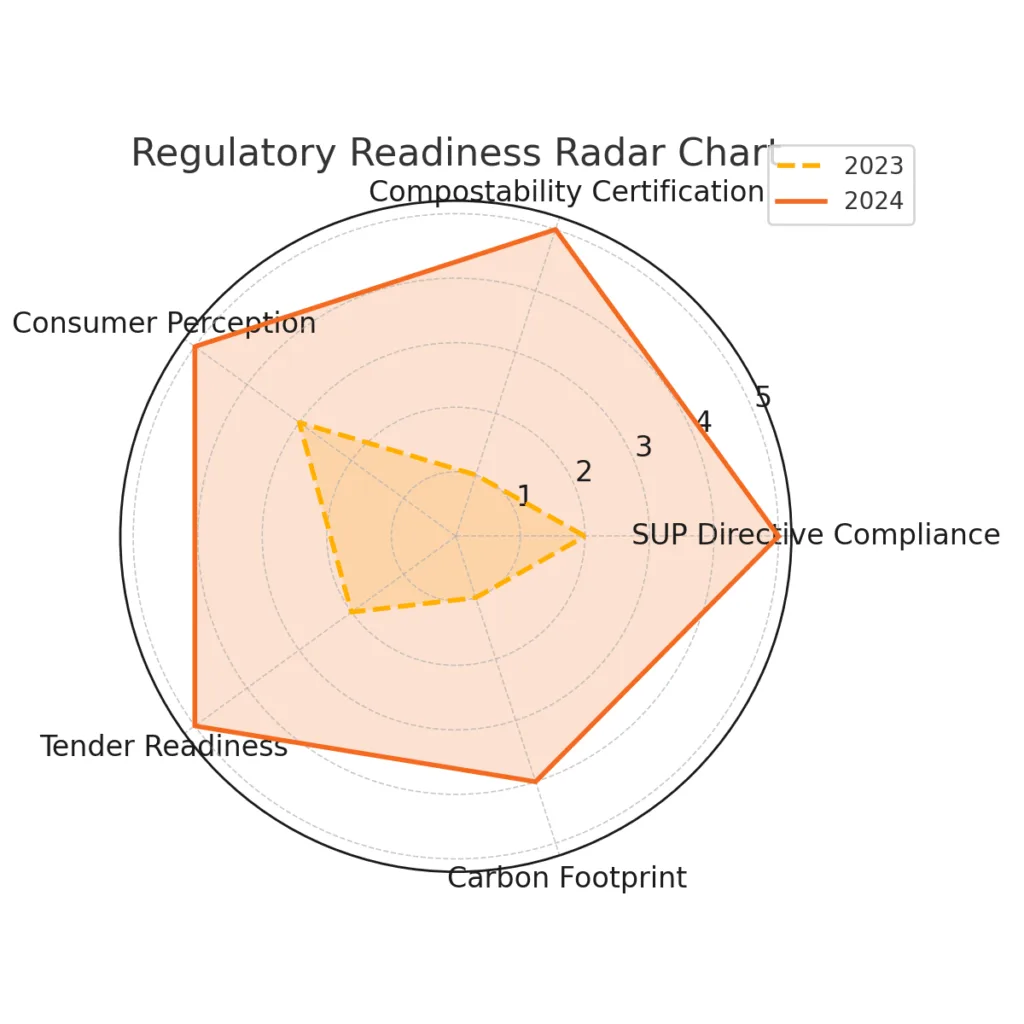
A Danish Food Delivery Brand’s Switch to Compostable Trays and Cutlery
A fast-growing organic meal kit company based in Denmark faced disqualification from government tenders in early 2024 due to its continued use of non-compostable polystyrene containers and plastic utensils. To comply with Denmark’s Green Public Procurement (GPP) policy, the company initiated a full packaging overhaul.
After partnering with a certified compostable packaging supplier, the brand adopted bagasse meal trays, kraft soup cups, and cornstarch cutlery across its weekly deliveries. As a result, the company:
Achieved 100% compliance with Denmark’s 2025 packaging requirements
Secured a renewed municipal catering contract worth over €500,000
Increased customer retention by 19% and reduced plastic waste by over 15 tons in six months
The manufacturer also supported the company with custom-fit sealing lids and branding options, ensuring the new packaging system met both logistical and marketing needs.

What Global Buyers Can Learn from the Nordics
✅ Key Takeaways:
Plan for compliance: Anticipate country-specific bans and certification needs.
Choose certified materials: EN13432, BPI, TUV standards are essential for global distribution.
Evaluate life-cycle impact: Opt for materials with low carbon footprint and fast compostability.
Partner with expert suppliers: Work with manufacturers who understand regional laws and sustainability goals.
Conclusion: The Nordic Blueprint for a Compostable Future
Nordic countries have proven that banning disposable plastics and transitioning to sustainable takeaway packaging is not just feasible—it’s effective. Through regulation, innovation, and market readiness, they offer a template the rest of the world can follow.
Bioleader® is proud to support this global shift with a full portfolio of certified compostable tableware, from bagasse clamshells to PLA cups and kraft containers. As 2025 unfolds, aligning with Nordic-inspired packaging laws may not just be a choice—it may be the key to global success.
FAQs – People Also Ask
1’ What packaging materials are banned in Nordic countries in 2025?
Most Nordic countries, including Sweden, Norway, and Denmark, have banned single-use plastics such as polystyrene foam containers, plastic cutlery, and non-compostable straws under EU-aligned regulations. Compostable materials like bagasse, PLA, and kraft paper are widely adopted as eco-friendly alternatives.
2’ Why are Nordic countries leaders in sustainable takeaway packaging?
Nordic countries have strict environmental laws, strong consumer awareness, and government-led green procurement programs. Their early adoption of the EU SUP Directive and investment in compostable packaging innovation make them global models for sustainable takeaway and to-go solutions.
3’ What are the benefits of switching to compostable takeaway containers?
Compostable takeaway containers reduce landfill waste, help companies meet regulatory compliance, and improve brand perception among eco-conscious consumers. Materials like bagasse and PLA decompose in industrial composting environments within 90–180 days.
4’ How do bagasse and PLA packaging comply with EU packaging laws?
Both bagasse and PLA materials can be certified under EN13432 and ASTM D6400, meeting the requirements of the EU SUP Directive. These certifications verify that the materials are industrially compostable and safe for food contact, making them compliant for Nordic markets.
5’ Can international food brands sell compostable products in Nordic countries?
Yes, international brands can export compostable packaging to Nordic countries if the products are properly certified and labeled. Most buyers require documentation such as EN13432, BPI, or TÜV OK Compost to ensure regulatory compliance and material transparency.
📚 References:
European Commission – Single-Use Plastics Directive Explained
Author: European Commission
URL: https://ec.europa.eu/environment/topics/plastics/single-use-plastics_enMiljødirektoratet – Norway’s Implementation of the EU SUP Directive
Author: Norwegian Environment Agency
URL: https://www.miljodirektoratet.no/Sitra – Circular Economy in Finland: Packaging Strategy
Author: Sitra (The Finnish Innovation Fund)
URL: https://www.sitra.fi/en/projects/circular-economy-road-map/Nordic Innovation – Sustainable Packaging in the Nordics: Industry Overview 2024
Author: Nordic Innovation Council
URL: https://www.nordicinnovation.orgDanish Environmental Protection Agency – Waste and Circular Economy Plan 2022–2030
Author: Danish EPA
URL: https://mst.dk/service/om-mst/english/Wikipedia – Bagasse
Author: Wikipedia contributors
URL: https://en.wikipedia.org/wiki/BagasseBioleader – Compostable Packaging Solutions for Global Buyers
Author: Bioleader Editorial Team
URL: https://www.bioleaderpack.com/blog/