Introduction: The Takeaway Boom—and the Packaging Backlash
The global rise of food delivery and takeaway services has reshaped how we eat. From busy professionals ordering lunch to families relying on dinner deliveries, takeaway food boxes have become an everyday convenience. But behind this convenience lies a growing concern—most disposable food containers are not built for sustainability, safety, or customer satisfaction.
From leaks and soggy bottoms to toxic chemicals and landfill buildup, traditional takeaway packaging has many pain points. In this blog, we explore the 9 most common problems with takeaway food containers and offer modern, eco-friendly solutions—like Bioleader®’s sugarcane bagasse and compostable food boxes.

1. Not Leak-Proof: Messy Meals & Angry Customers
Plastic and foam containers often fail the ultimate test: holding hot or oily foods without leakage. Curry spills, soup leaks, and condensation damage are common complaints.
✅ Sustainable Solution:
Use bagasse clamshell containers and biodegradable trays made from molded fiber. They’re naturally water- and oil-resistant without plastic linings. Bioleader® products are tested to withstand even the messiest dishes—from noodles to stews.
2. Warps or Melts with Hot Food
Low-quality plastic containers can warp when filled with hot dishes or reheated in the microwave, risking burns and spills.
✅ Sustainable Solution:
Microwave-safe bagasse boxes and compostable containers remain structurally stable up to 120°C. No warping. No microplastics released. These boxes handle heat naturally and safely.
3. Retains Odors and Alters Taste
Plastic containers can absorb strong food odors or leach chemicals into meals, especially with acidic or spicy foods.
✅ Sustainable Solution:
Natural fiber packaging like sugarcane bagasse is neutral in scent and taste. It protects your food’s aroma and flavor, even for bold dishes like kimchi or curries.
|
|

4. Not Compostable—Only Disposable
Most takeaway containers still end up in landfills. Even those labeled “biodegradable” may take years to break down, especially in low-oxygen environments.
✅ Sustainable Solution:
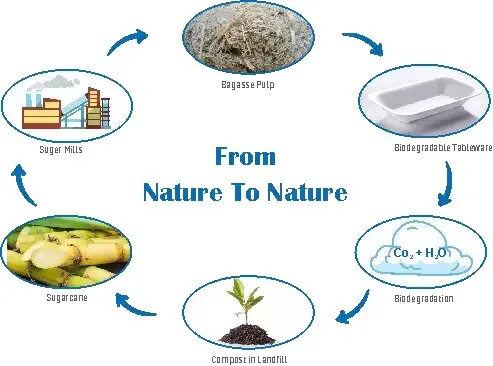
Certified compostable packaging like Bioleader®’s bagasse boxes decompose within 60–90 days in industrial composting systems. Many are even home-compostable, aligning with global zero-waste goals.
5. Unstackable and Space-Inefficient
Delivery staff and restaurant operators often struggle with poorly designed boxes that don’t stack securely—causing spills and inefficiency during transport.
✅ Sustainable Solution:
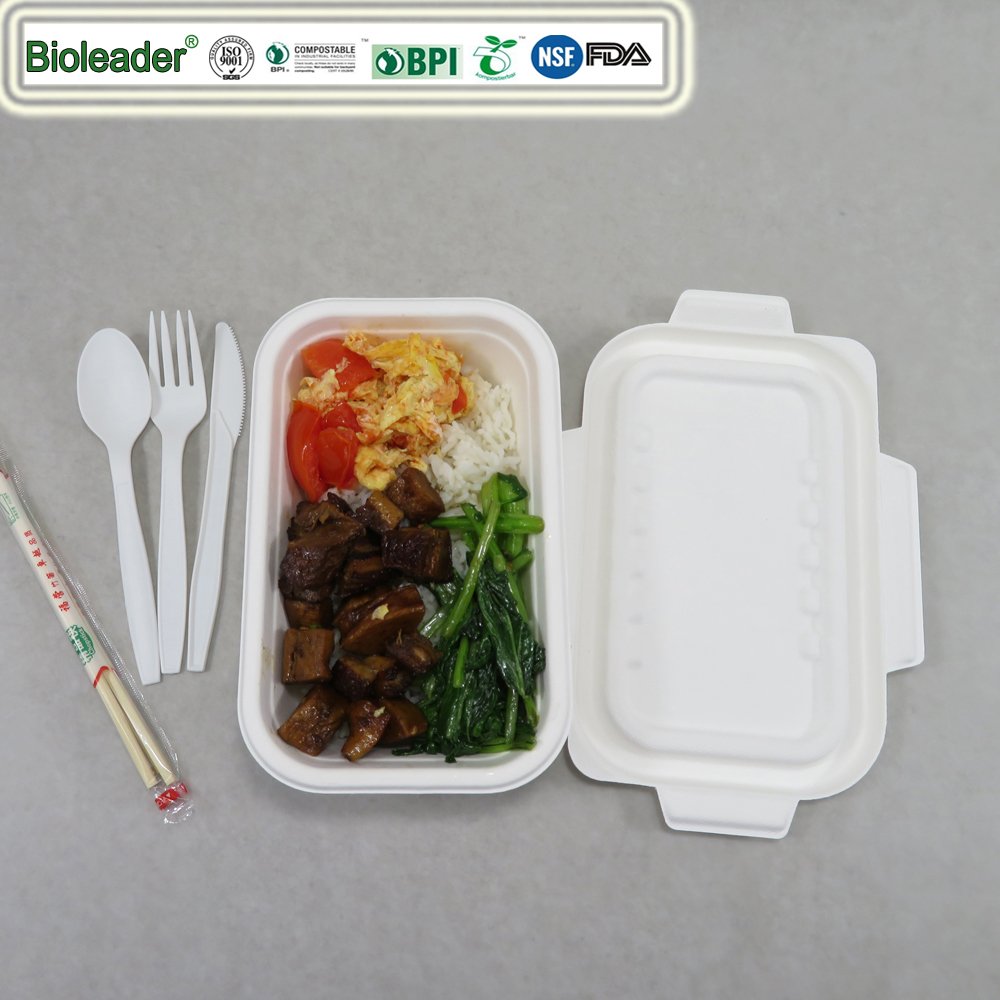
Well-engineered molded fiber containers come with stackable lids, secure locking flaps, and rigid edges—optimized for delivery operations. Bagasse trays from Bioleader® are designed for both form and function.

6. Unbranded, Generic Appearance
Standard white foam or clear plastic boxes offer no branding opportunity, missing a chance to promote your restaurant or delivery service.
✅ Sustainable Solution:
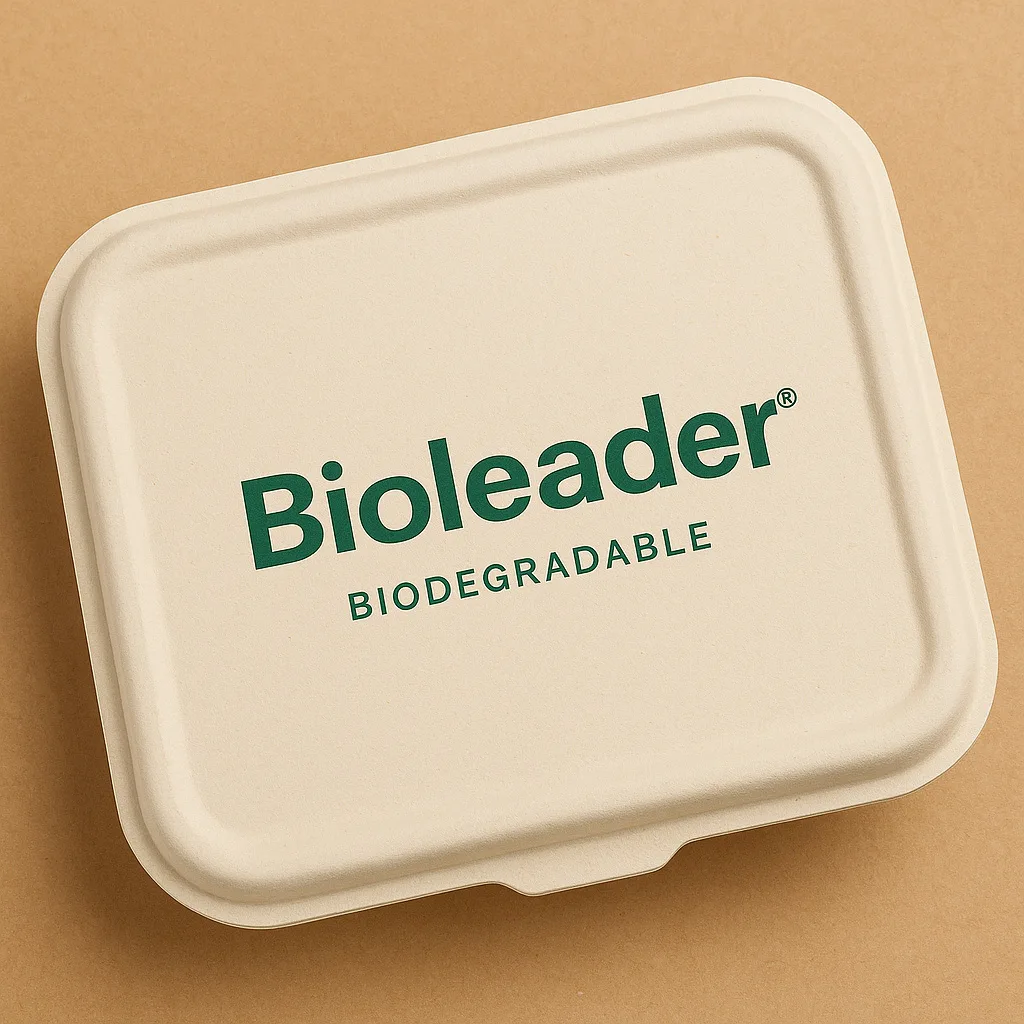
Bioleader® offers custom-printed compostable takeaway boxes, letting your brand message ride along with every order—printed with soy-based ink and food-safe methods.
7. Contains PFAS, BPA, or Microplastics
Many containers labeled “eco-friendly” still contain hidden toxins like PFAS (forever chemicals) or BPA—linked to health risks and environmental damage.
✅ Sustainable Solution:
Demand certified PFAS-free and BPA-free packaging. Bioleader®’s products meet global safety standards (BPI, OK Compost, EN13432) and are verified to contain no hidden toxins.
8. Single-Use with No Recovery Value
Traditional food containers have no afterlife. They’re neither recyclable nor reusable. Worse, they clog recycling facilities due to food contamination.
✅ Sustainable Solution:
Use compostable containers that return to soil as biomass. Bioleader® bagasse and cornstarch products not only avoid landfill buildup—they also enrich compost for agricultural reuse.
9. Doesn’t Fit Changing Customer Values
Today’s customers care about the planet. A box that harms the environment risks hurting your brand. Social media backlashes and bad reviews are increasingly tied to unsustainable packaging choices.
✅ Sustainable Solution:
Switch to eco-friendly packaging that reflects your brand’s values. Restaurants using bagasse or PLA containers often report better customer feedback, higher return rates, and brand loyalty from eco-conscious consumers.
Final Thoughts: A Better Box for a Better Planet
The future of takeaway isn’t just about what’s inside the box—it’s about the box itself. As more cities and countries implement plastic bans and composting mandates, businesses must future-proof their packaging choices now.
By addressing the nine core pain points above and adopting certified compostable, PFAS-free, leak-resistant solutions like those from Bioleader®, you can stay ahead of the curve—while reducing waste and delighting your customers.
Contact Bioleader for More & Quote
FAQ (People Also Ask)
1. What are the biggest problems with takeaway food containers?
Leakage, heat resistance, non-compostability, and harmful chemicals are top issues with standard plastic containers.
2. Are compostable takeaway boxes really safe for hot food?
Yes. Certified bagasse and PLA containers can handle high temperatures without warping or releasing toxins.
3. How fast do bagasse takeaway boxes decompose?
In industrial composting facilities, they break down within 60–90 days. Some can decompose in home compost piles as well.
4. Can I brand eco-friendly takeaway boxes with my logo?
Absolutely. Bioleader® offers custom-printed, compostable packaging using safe, plant-based inks.
5. What certifications should I look for in sustainable food containers?
Look for EN13432, ASTM D6400, BPI Certification, OK Compost, and PFAS-free guarantees.
6. Are all “biodegradable” takeaway containers actually compostable?
No. Many are only “oxo-degradable” and don’t fully compost. Always check for certification.
7. Why are businesses switching to bagasse packaging?
Bagasse is compostable, plastic-free, heat-resistant, and supports environmental branding—ideal for foodservice and delivery brands.