Guide To Wheatstraw: Materials, Standards & Best Practices | Bioleader® Insights
Browse articles grouped under the "wheatstraw" tag for topic-specific information and examples. The featured articles may approach the topic from different product, material, application, market, or sourcing perspectives. Check each article for its exact scope, technical data, standards, sources, and recommendations.
wheatstraw — Quick Summary
Highlights from featured articles under this tag:
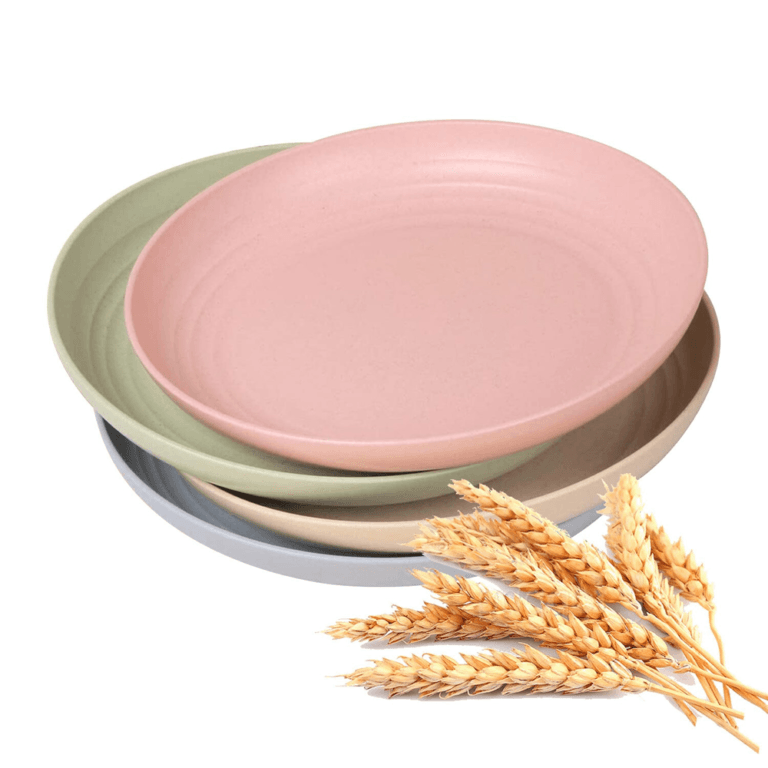
These stalks contain lignin and cellulose, which can be processed into a plastic-like material suitable for making durable and biodegradable plates
wheatstraw — Content Overview
Featured articles shown: 1
Directly tagged articles: 1
Latest tagged article update: 2025-09-27
Coverage, examples, and specific recommendations vary by individual article.
FAQ of Bioleader's Eco-friendly Disposable Tableware
Available sizes?
Yes, our paper containers with lids for food range between 500ml and 1500ml capable of holding various meal portions — wheatstraw.
Are these bowls totally biodegradable?
Yes, unlike plastic, our compostable bowls are made of soluble material (biodegradable in this case includes kraft paper & white cardboard), which are not harmful and will degrade safely after they have been thrown away.
Is it possible to recycle them?
While your package design should be primarily for use single, to promote health oder, the package is strong enough for one or two times reuse with caution — wheatstraw.
Do wheat straw plates contain gluten?
No. Despite being made from wheat by-products, the gluten-containing parts (i.e., the grain) are not used in the production process — wheatstraw. They are safe for gluten-sensitive individuals.
How do wheat straw plates compare to plastic plates?
Wheat straw plates are biodegradable, compostable, and non-toxic, while plastic plates are petroleum-based, non-biodegradable, and may leach harmful chemicals.