TÜV Austria Certification: What You Need To Know | Bioleader® Insights

Actionable coverage of TÜV Austria certification: eco-friendly, biodegradable, compostable materials, performance data, and compliance under EN13432 & ASTM D6400. Includes BPI/TÜV references and Food-Contact Tested guidance for safe deployment. Buyer-focused: manufacturer insights, bulk/wholesale buying playbooks, OEM/ODM customization tips, full size range selection.
TÜV Austria certification — Quick Summary
  • Items displayed (articles): 12
  • Last updated: 2026-03-17
  • Includes test data, compliance guides, buyer FAQs, and real-world use cases.

Editor’s Picks: Top TÜv Austria Certification Guides 2026

FAQ of Bioleader's Eco-friendly Disposable Tableware

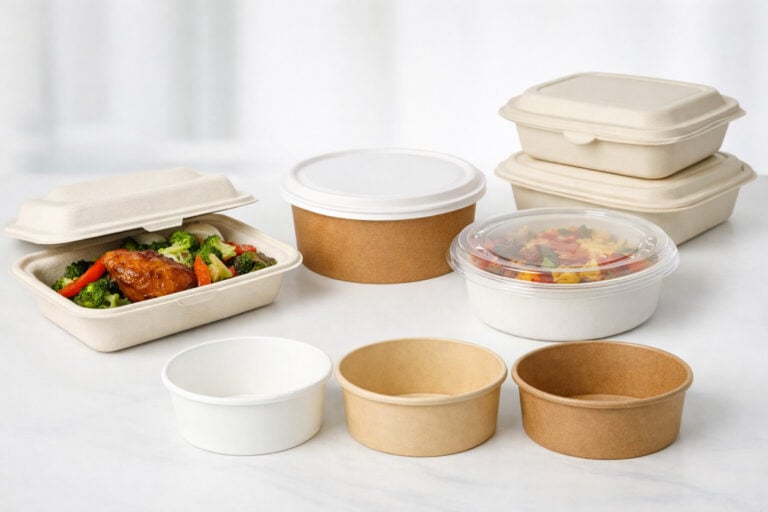
1. What are sugarcane bagasse molded pulp trays made from?

They are made from bagasse, the fibrous residue left after sugarcane stalks are crushed for juice. This agricultural waste is molded into strong, durable trays that are compostable, biodegradable, and plastic-free.

4. Can I order eco friendly trays with lids directly from a wholesale factory?

Yes. Many factories—especially in China, India, and Southeast Asia—offer bulk wholesale options with OEM/ODM services. This includes custom branding, embossed logos, and private label packaging for large-volume buyers.

Durable and Reliable Performance

Unlike many disposable options, our sugarcane food trays are built to last throughout their intended use. Whether exposed to heat, moisture, or refrigeration, they maintain their structure and performance. This durability makes them a reliable choice for any business requiring high-quality, dependable food packaging — TÜV Austria certification. Multiple Uses and Applications The bagasse will save you money and the environment.

What Is EN13432 and How Does It Differ from ASTM D6400?

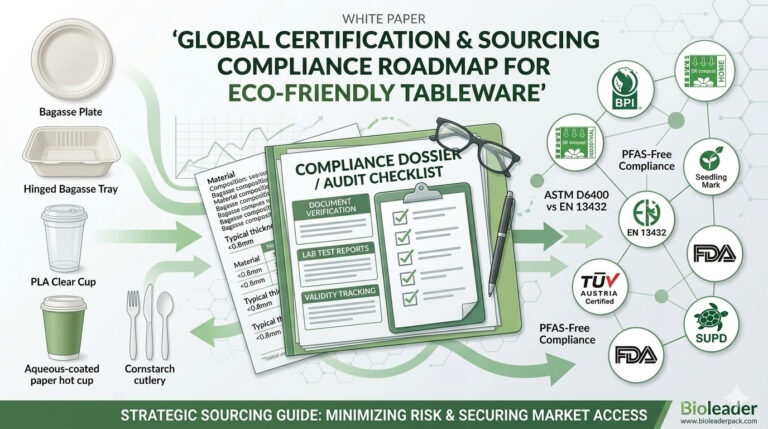
EN13432 is the European Union’s definitive compostability standard for packaging materials, and a cornerstone of EU-wide plastic waste regulation , TÜV Austria certification. It defines whether a product can legally be labeled and marketed as “compostable” under European law. By contrast, ASTM D6400 is a U.S.-based standard developed by ASTM International, primarily targeting North American markets , TÜV Austria certification. The two share similarities in performance thresholds (biodegradability, disintegration, eco-toxicity), but differ in: Feature EN13432 ASTM D6400 Composting time limit 6 months 6 months CO₂ conversion requirement ≥90% ≥60% Heavy metals limit Strict (EU thresholds) Moderate Disintegration (2mm screen) Required Required Plant growth toxicity test Mandatory Mandatory Acceptance for labeling in EU Yes No Conclusion: For any product claiming to be compostable and seeking to enter the European market—especially under Directive (EU) 2019/904—EN13432 is legally required, not optional.

What is EN13432 certification and why is it important for eco-friendly tableware?

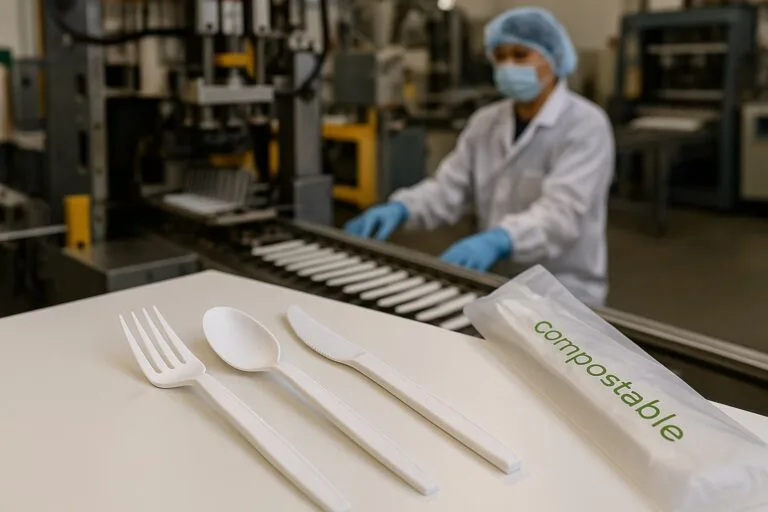
EN13432 is the European standard for industrial compostability of packaging and disposable products. It ensures that certified items biodegrade under controlled composting conditions without leaving toxic residues. For businesses exporting to Europe, EN13432 is often a legal and commercial requirement for labeling products as “compostable.”

Related Insights

🚀Ready to Go Green and Choose ?

Join the global movement toward zero-waste packaging.


Bioleader® offers:

  • 📦 Bulk order support & fast delivery

  • ✍️ Custom branding and OEM solutions

  • 🌍 Worldwide eco-packaging compliance

Get the Catalogue Products List  & Contact Us Now! 👉

Contact us Below

Click or drag files to this area to upload.You can upload up to 5 files.
The more details you share, the faster and more accurate our quotation will be.