Takeaway Containers: When To Use It And Why | Bioleader®

Actionable coverage of Takeaway Containers: eco-friendly, biodegradable, compostable materials, performance data, and compliance under EN13432 & ASTM D6400. Includes BPI/TÜV references and Food-Contact Tested guidance for safe deployment. Buyer-focused: manufacturer insights, bulk/wholesale buying playbooks, OEM/ODM customization tips, full size range selection.
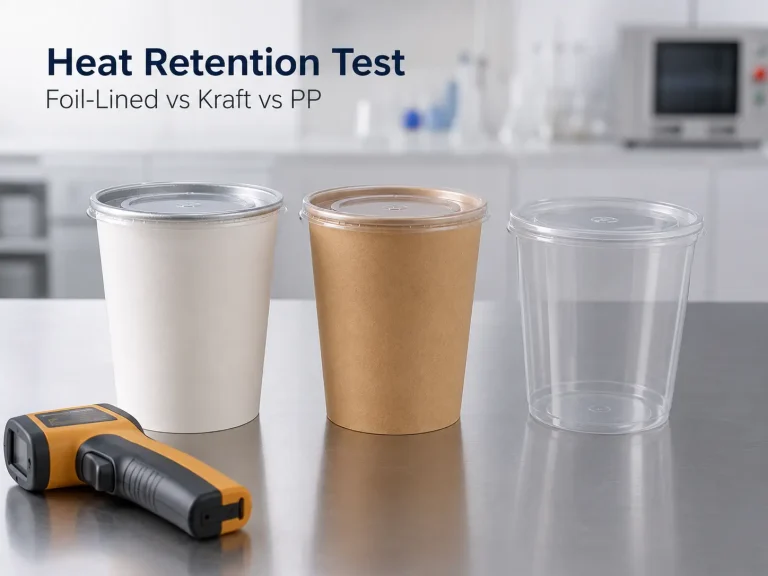
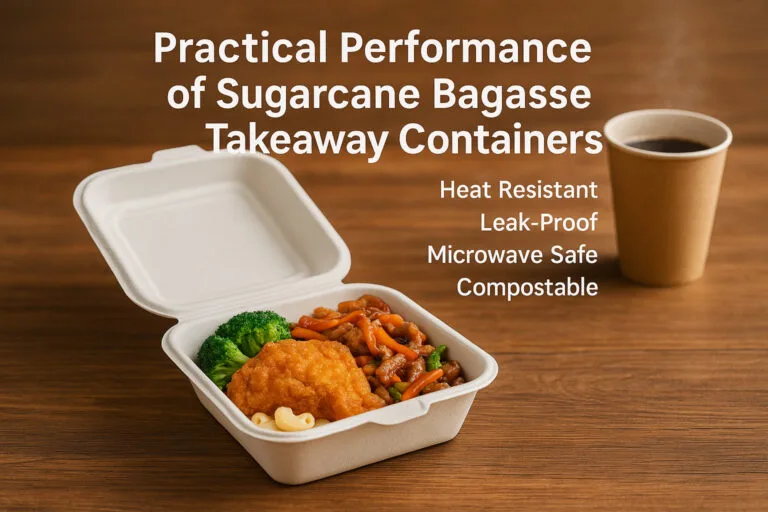
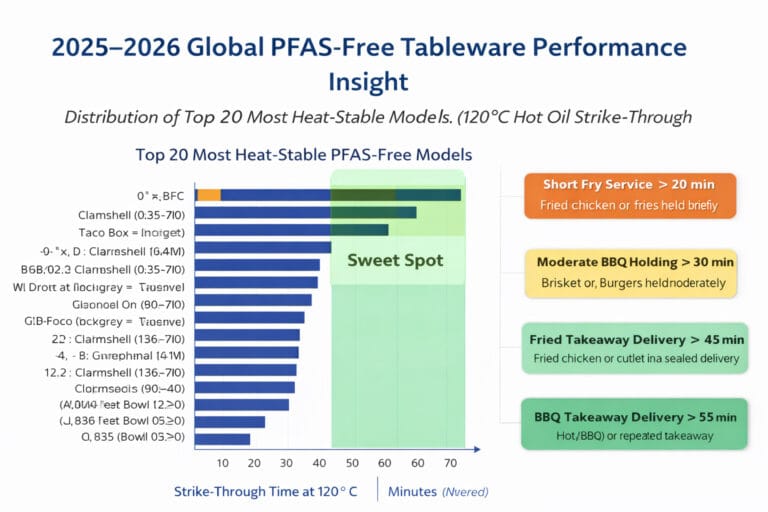
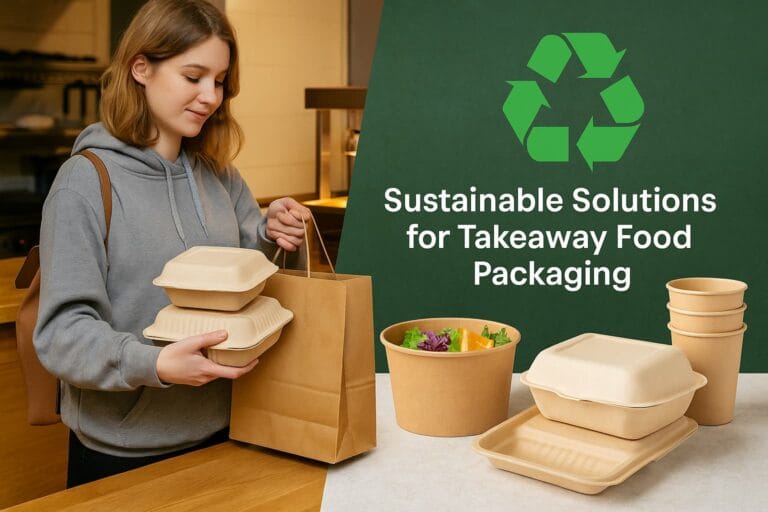
Quick Summary: Choosing takeaway food containers today is no longer just about material claims or unit price. The real standard is whether the package can remain leak-resistant, structurally stable, and commercially reliable under actual takeaway conditions such as hot food, oil exposure, delivery movement, and possible reheating. The strongest packaging solutions are defined by performance fit, lid compatibility, and clear route selection. That is why Bioleader focuses on practical high-performance routes such as high-temperature PFAS-free bagasse, water-based aqueous paper bowls, PLA-coated paper bowls, PP-coated paper bowls, matched paper lids and PP lids, and a well-balanced cornstarch formulation.
Takeaway Containers — Quick Summary
  • Items displayed (articles): 12
  • Last updated: 2026-04-17
  • Includes test data, compliance guides, buyer FAQs, and real-world use cases.

Editor’s Picks: Top Takeaway Containers Guides 2026

FAQ of Bioleader's Eco-friendly Disposable Tableware

Can I have their logo printed on my souvenirs?

Of course, Yes. Such businesses have the option of having margarita salad bowls with their brand name on them or any other posters since we customize them — Takeaway Containers. For any further details on branding options, you can reach us.

Do the lids fit in place as they are meant to?

Yes, the lids form a firm seal; there is no slippage nor escape of food once food is packed inside, even during transit , Takeaway Containers.

Is it really compostable?

Yes, these salad bowls compostable are made from biodegradable materials such as kraft paper and white cardboard paper which allow it to biodegrade when discarded appropriately.

Compostable vs. Biodegradable vs. Recyclable: Key Differences

Biodegradable: Naturally decomposes through microbial action, may not require specific conditions. Compostable: Breaks down in composting environments, leaving no toxins—certifications like EN13432 or BPI confirm compliance. Recyclable: Can be processed into new materials but may require energy-intensive recycling infrastructure. For takeaway businesses aiming for low environmental impact, compostable and biodegradable materials are superior alternatives , Takeaway Containers.

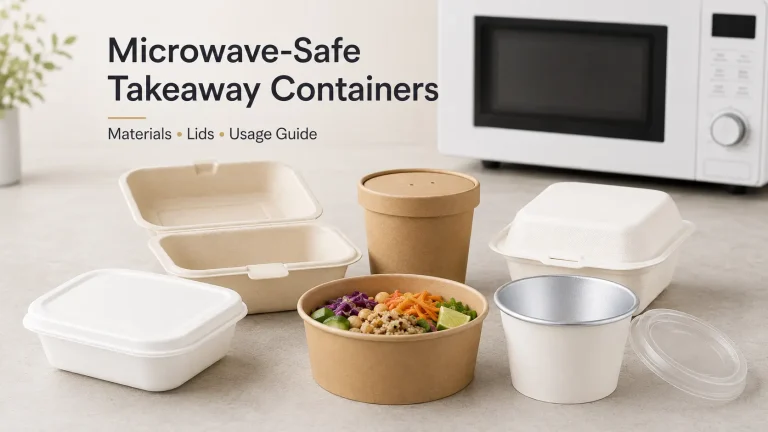
Do these containers stand temperature pressures like microwaves?

Yes, our salad to go container with locking lid is microwave-safe safe so the consumers can heat their food substances without any problems.

Related Insights

🚀Ready to Go Green and Choose ?

Join the global movement toward zero-waste packaging.


Bioleader® offers:

  • 📦 Bulk order support & fast delivery

  • ✍️ Custom branding and OEM solutions

  • 🌍 Worldwide eco-packaging compliance

Get the Catalogue Products List  & Contact Us Now! 👉

Contact us Below

Click or drag files to this area to upload.You can upload up to 5 files.
The more details you share, the faster and more accurate our quotation will be.