FAQ of Bioleader's Eco-friendly Disposable Tableware
How long do biodegradable plastic forks and spoons take to decompose?
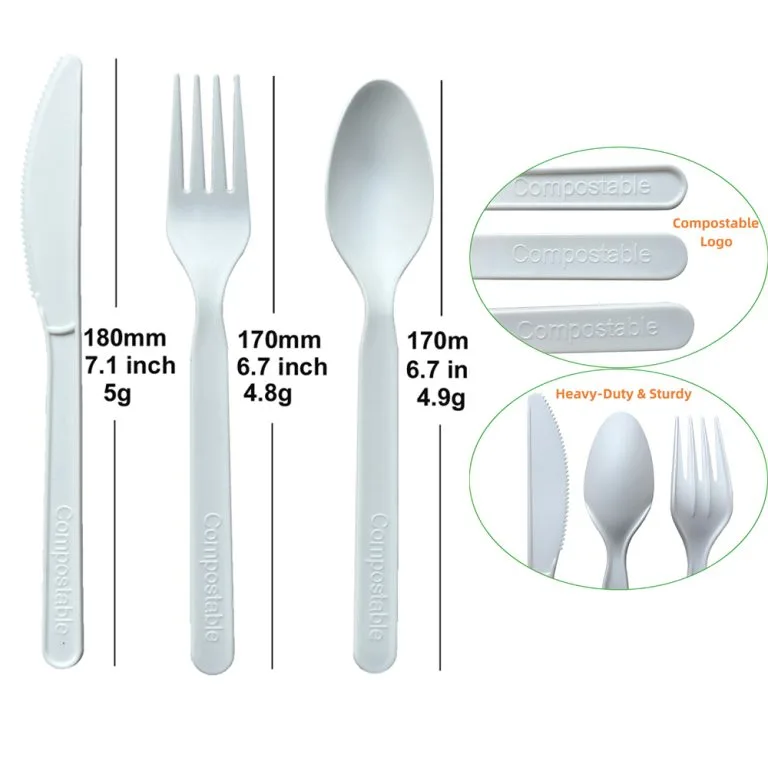
The decomposition time varies, but most biodegradable plastic cutlery will break down within 3 to 6 months in commercial composting facilities.
Is BPI compostable cutlery suitable for hot foods?
Yes, BPI compostable cutlery is designed for strength and durability, making it suitable for use with both hot and cold foods in restaurants, catering, and events , sustainable takeout bowl.
What features do biodegradable disposable spoons and forks offer?
With customizable packaging options and a range of features such as heat resistance, safety, and cost-effectiveness, they cater to various uses—from outdoor events to everyday dining , sustainable takeout bowl.
1. Raw Material Sourcing
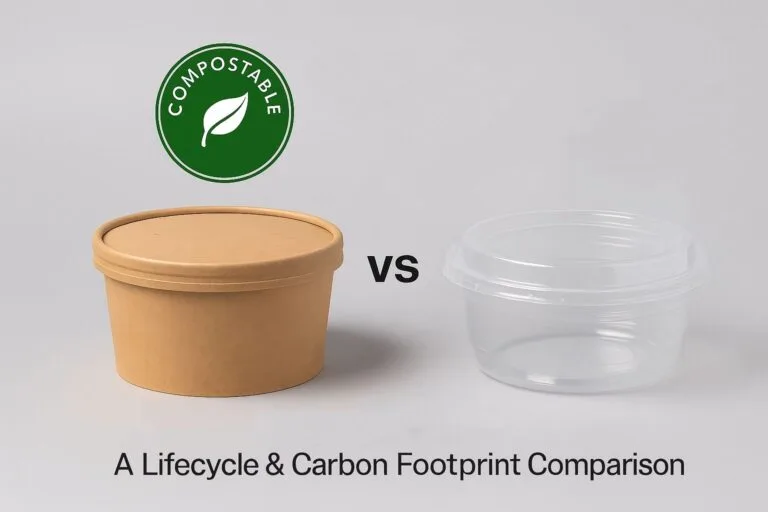
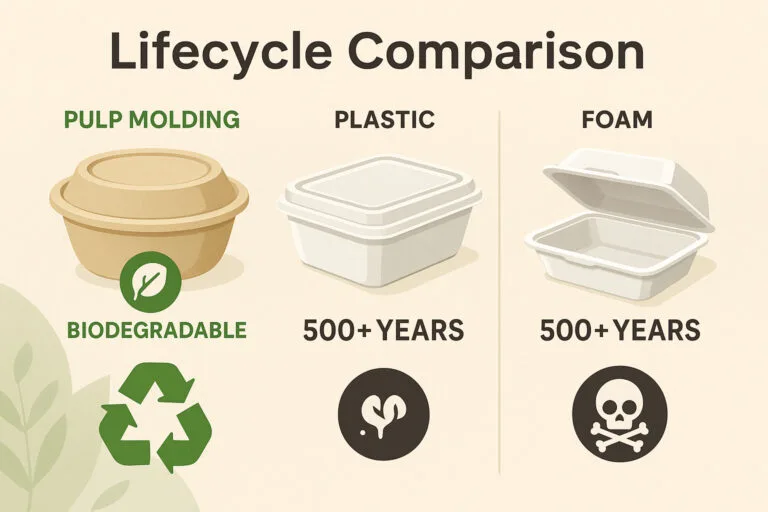
Kraft Paper: Made from trees harvested from responsibly managed forests (FSC-certified) or recycled fiber streams. Trees absorb carbon dioxide during growth, contributing to a net-zero or even net-negative carbon footprint when sustainably sourced. Plastic: Derived from fossil fuels. Oil drilling, refining, and monomer production emit high levels of GHGs, and the extraction process disrupts land and aquatic ecosystems , sustainable takeout bowl.
2. Manufacturing Process
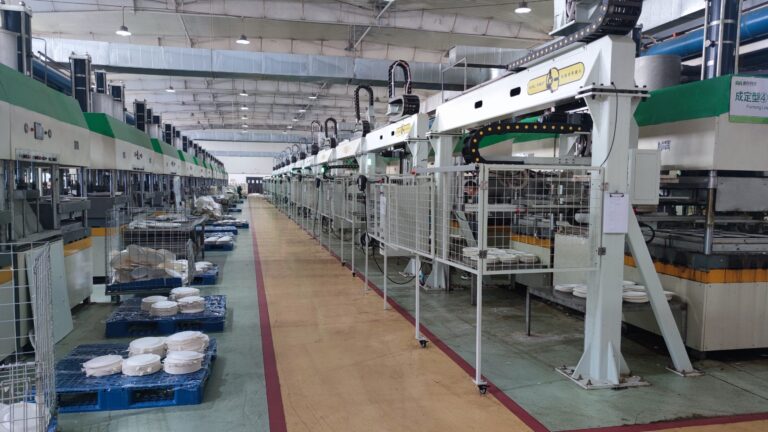
Kraft Paper: Requires pulping and heat pressing at relatively low temperatures. Energy consumption is significantly lower than plastic molding. Plastic: Requires polymerization, pelletizing, and high-temperature injection molding. PS and PET manufacturing release toxic VOCs and require 2–3 times more energy.