Trends In Sustainable Plastics: Market Insights, Innovations & FAQs | Bioleader® Guides

Actionable coverage of sustainable plastics: eco-friendly, biodegradable, compostable materials, performance data, and compliance under EN13432 & ASTM D6400. Includes BPI/TÜV references and Food-Contact Tested guidance for safe deployment. Buyer-focused: manufacturer insights, bulk/wholesale buying playbooks, OEM/ODM customization tips, full size range selection.
sustainable plastics — Quick Summary
  • Items displayed (articles): 12
  • Last updated: 2025-02-20
  • Includes test data, compliance guides, buyer FAQs, and real-world use cases.

Editor’s Picks: Top Sustainable Plastics Guides 2026

FAQ of Bioleader's Eco-friendly Disposable Tableware

For Takeaway, Food Packaging and Delivery

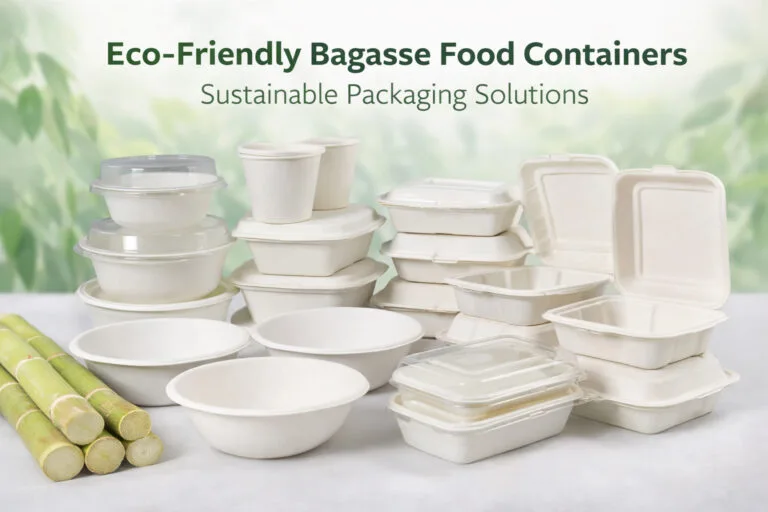
Bagasse trays serve the practical aspects of today’s food businesses, whether for takeaway, in a restaurant, or for food packaging , sustainable plastics. These disposable food trays are simple to use, effective, and give brand value by eco-friendly means for cafes, bistros, and catering of all sizes. Chinese Manufacturer and Wholesale Supply Our bagasse food trays are ideal for businesses wishing to switch to green solutions while still trying to save money, as we are a Chinese factory and manufacturer and sell them wholesale. Timely delivery and reliable food packaging have made us a desired partner for green food packaging thanks to our advanced manufacturing techniques and distribution possibilities.

5. What certifications should I look for when buying from an eco tray factory?

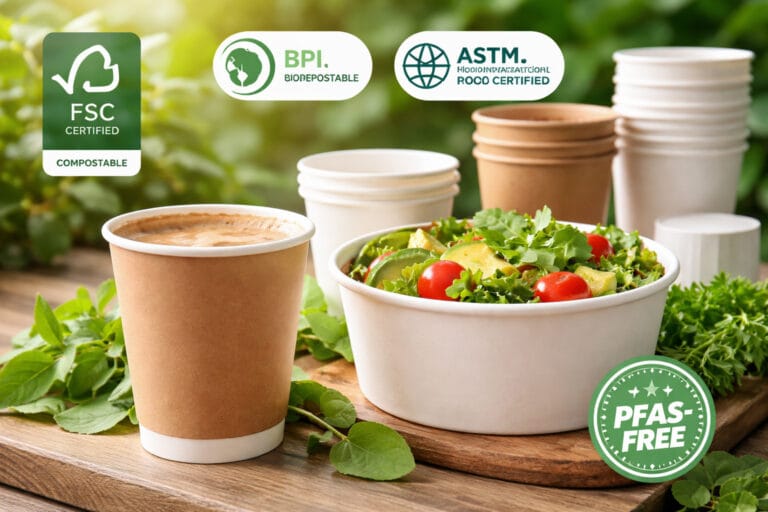
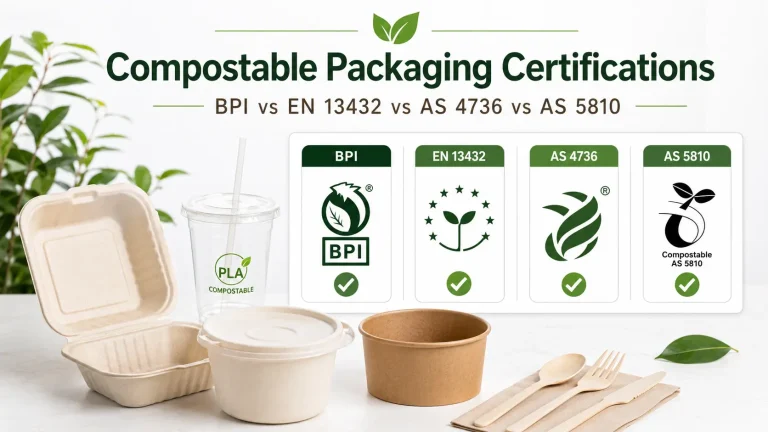
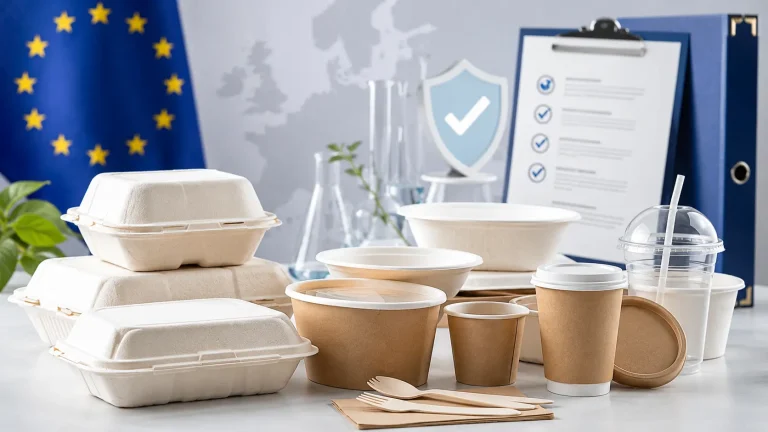
Reputable factories provide certifications such as OK Compost, BPI, TÜV Austria, EN13432, FDA, and LFGB , sustainable plastics. These ensure the trays are compostable, food-safe, and compliant with international sustainability standards. Packaging Insight: Why Choose Bioleader® Eco-Friendly Trays with Lids for Sustainable Food Packaging How do Bioleader® eco-friendly trays combine performance with sustainability? Utilizing bagasse and other renewable fibers, these trays deliver sturdy, leak-resistant food packaging that withstands hot and cold meals, while being fully compostable.

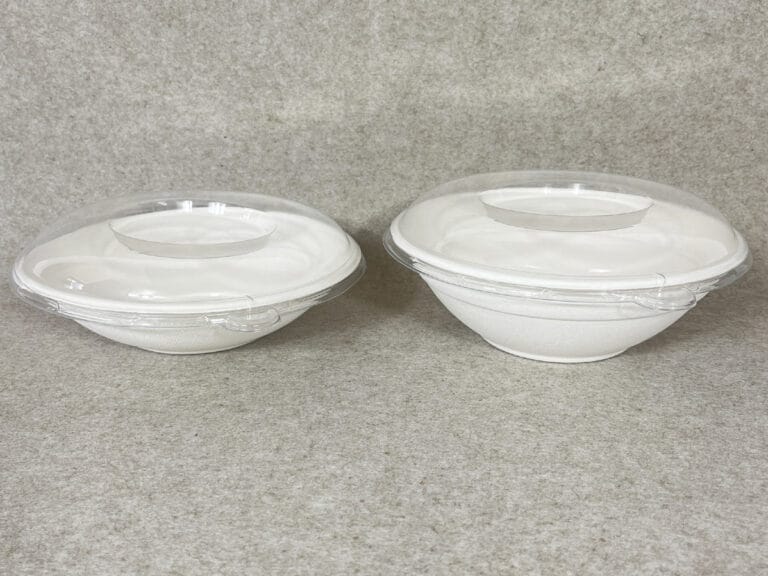
Here are the reasons people purchase paper pulp bowls:

Socially Responsible: For eco-friendly customers, the focus is gradually shifting towards biodegradable bowls that aid in pollution reduction and ensure a safe environment , sustainable plastics. Safe and Healthy: Since these are produced using safe materials, they do not possess the typical worries of plastic containers that have toxins and chemicals, which make it unsafe. Custom Options for Your Bowling Alley Business: For your Specifications and Requirements To facilitate business requirements more adequately, we offer a wide range of sizes and packaging for paper pulp bowls so you can customize them as per your needs. For Better Delivery Options, you can Pick Special Designs Or Printing; therefore, you don’t have to Worry About How Your Brand Will Look.

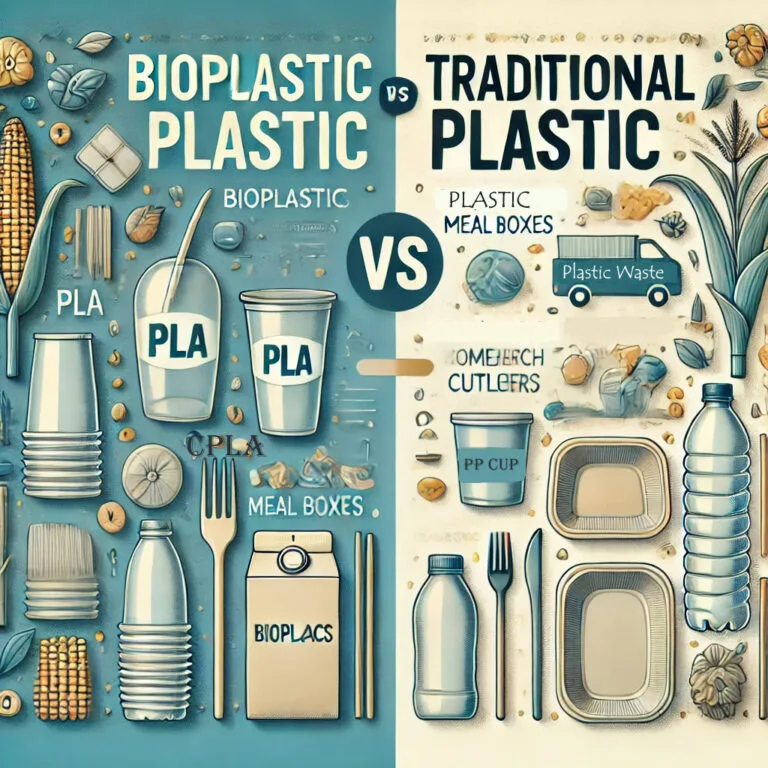
Comparison Table: Bioplastic vs. Traditional Plastic

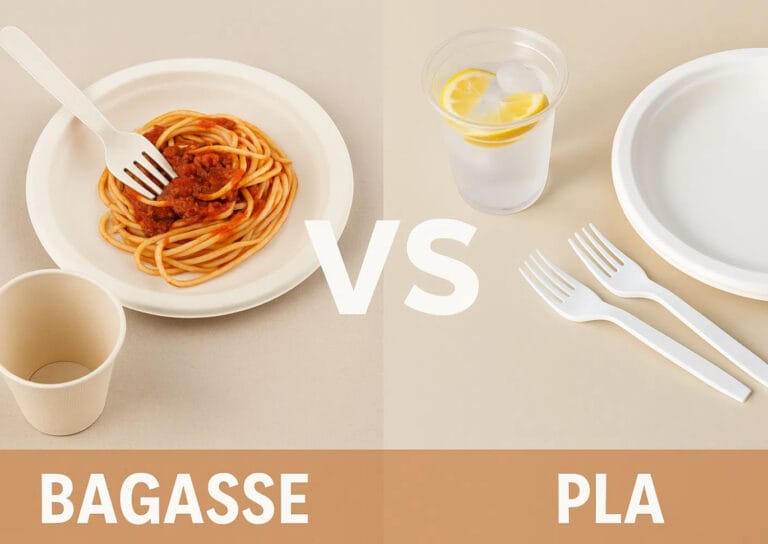
Criteria Bioplastics Traditional Plastics Raw Material Source Derived from renewable sources (e.g., cornstarch, sugarcane, algae) Produced from fossil fuels (oil, natural gas) Environmental Impact Lower carbon footprint; potential for biodegradability in industrial composting; may compete with food crops High carbon footprint; persists in the environment; generates microplastics and long-term waste Cost Higher production cost due to complex processing; prices are gradually decreasing with scaling Lower production cost; economies of scale and mature supply chains help maintain cost efficiency End-of-Life Options Some varieties are compostable under controlled conditions; recycling options are limited and depend on local infrastructure Can be recycled, but recycling rates are generally low; degrades very slowly, contributing to long-term pollution Scalability Current production capacity is relatively limited; expected to grow with increased demand driven by policy support and consumer preference Highly scalable with an established global production network; dominant in most applications despite environmental drawbacks   Expert Opinions and Scientific Perspectives

Traditional Plastics

Traditional plastics are polymers primarily derived from petrochemicals. Polyethylene (PE), polypropylene (PP), polyvinyl chloride (PVC), polystyrene (PS), and polyethylene terephthalate (PET) are among the most commonly produced plastics worldwide. These materials owe their popularity to a set of unique properties: High Durability and Strength: Traditional plastics can endure substantial wear and tear, making them ideal for packaging, automotive components, and consumer goods. Versatility: Their chemical structure allows for a wide range of variations, enabling everything from rigid to flexible applications.

Related Insights

🚀Ready to Go Green and Choose ?

Join the global movement toward zero-waste packaging.


Bioleader® offers:

  • 📦 Bulk order support & fast delivery

  • ✍️ Custom branding and OEM solutions

  • 🌍 Worldwide eco-packaging compliance

Get the Catalogue Products List  & Contact Us Now! 👉

Contact us Below

Click or drag files to this area to upload.You can upload up to 5 files.
The more details you share, the faster and more accurate our quotation will be.