FAQ of Bioleader's Eco-friendly Disposable Tableware
Are PLA spoons suitable for hot and cold foods?
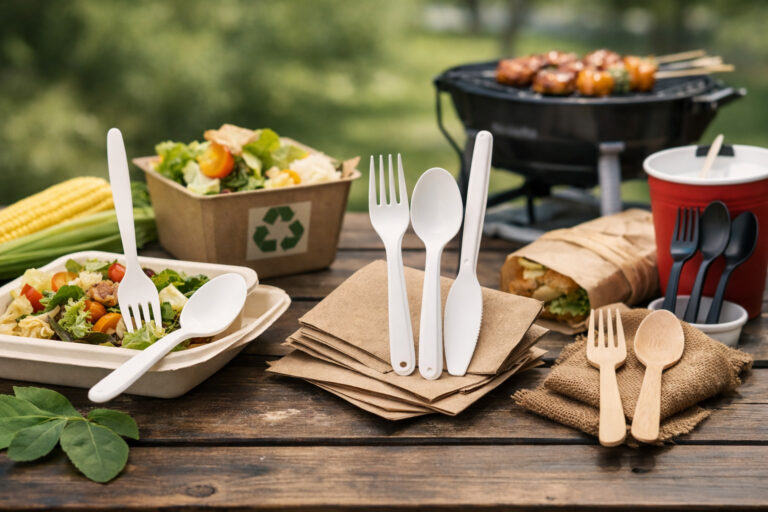
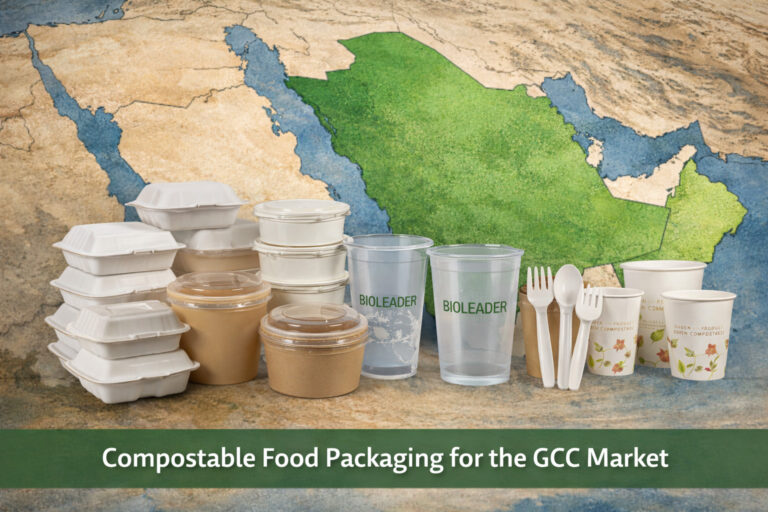
Yes, PLA spoons are designed to handle both hot and cold foods , sustainable packaging materials. They are durable and heat-resistant, making them suitable for various dining and food service applications.
Can businesses customize BPI compostable cutlery packaging?
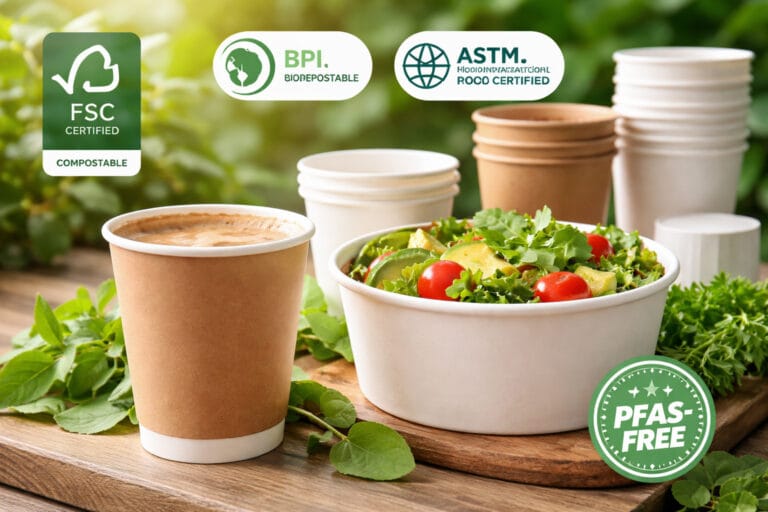
Absolutely. BPI compostable cutlery offers customizable packaging options, including logo printing and tailored designs to support branding and marketing needs — sustainable packaging materials.
Are there eco-friendly options for individually wrapped cutlery?
Yes, in addition to traditional plastic, there are biodegradable and compostable individually wrapped cutlery options available to support sustainability goals.
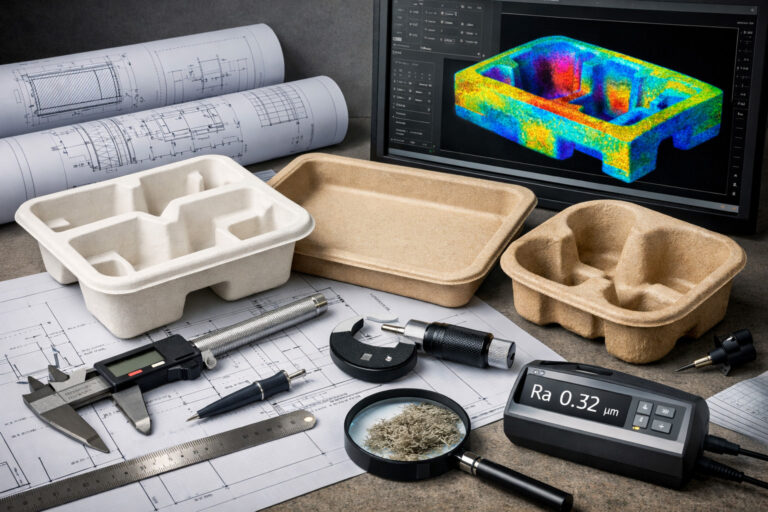
1.1 Surface Roughness as a Quantifiable Property
Surface roughness in molded pulp trays is typically evaluated using Ra (arithmetical mean roughness), measured in micrometers (μm). In Bioleader’s internal testing and third-party inspections: Standard low-density molded pulp trays often exhibit Ra values above 10–15 μm High-precision molded pulp trays consistently achieve Ra values between 2.3–6 μm Research in fiber-based materials engineering shows that below ~6 μm Ra, the human tactile system perceives surfaces as uniformly smooth, and visual fiber artifacts become negligible under standard lighting conditions. This threshold also aligns with printing process requirements, enabling silk-screen printing, hot stamping, and pad printing without surface sealing.
🔵 PLA: The Shiny Pretender
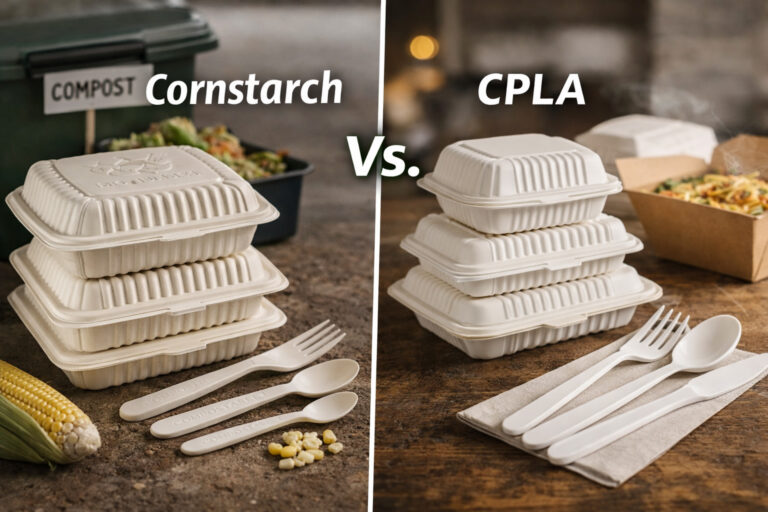
PLA, or polylactic acid, sounds like something from a chemistry book, but don’t let the name fool you—it’s made from fermented corn, sugarcane, or even cassava. It looks and feels just like plastic, which is great for: Clear cold drink cups (yes, those trendy PLA cups) Straws and takeout salad boxes Coffee cup linings Trying to fool your eco-conscious friends But there’s a catch: PLA needs industrial composting to break down. No high-heat, high-humidity facility? That PLA fork might sit in a landfill for years—right next to the plastic ones it was meant to replace — sustainable packaging materials.