Sustainable Packaging For Cafés 101: What It Is, When To Use, And How To Choose | Bioleader® Sustainable Packaging
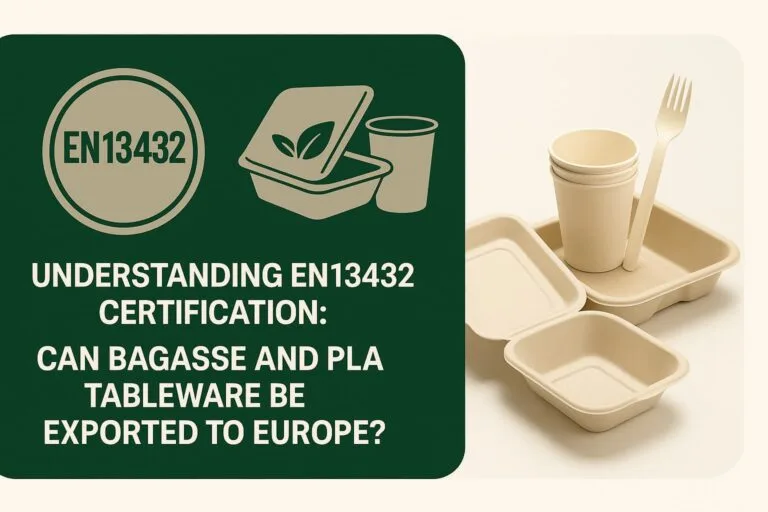
Actionable coverage of sustainable packaging for cafés: eco-friendly, biodegradable, compostable materials, performance data, and compliance under EN13432 & ASTM D6400. Includes BPI/TÜV references and Food-Contact Tested guidance for safe deployment. Buyer-focused: manufacturer insights, bulk/wholesale buying playbooks, OEM/ODM customization tips, full size range selection.
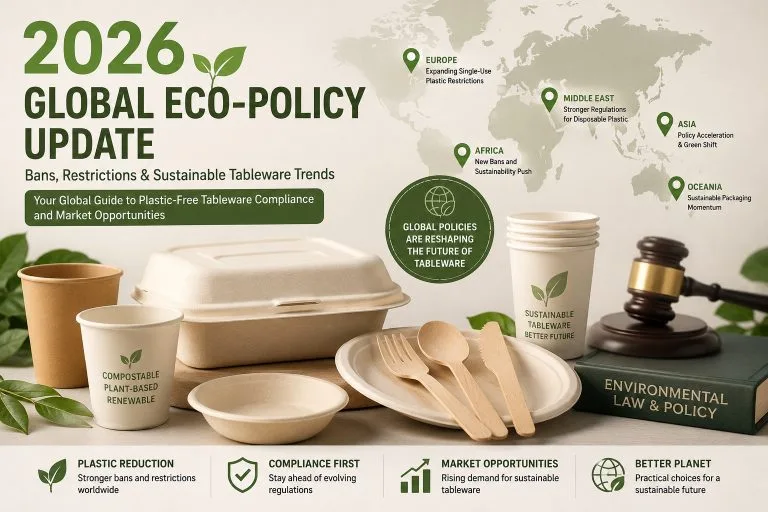
In 2025, sustainability is no longer a buzzword—it’s a requirement. With tightening plastic bans across the globe, especially in the European Union, the United States, and Southeast Asia, brands are under increasing pressure to transition away from single-use plastic packaging. Legislations such as the EU’s Single-Use Plastics Directive, U.S. state-level polystyrene bans, and Thailand’s Plastic Roadmap are making traditional plastic drinkware obsolete.
sustainable packaging for cafés — Quick Summary
Items displayed (articles): 12
Last updated: 2025-06-14
Includes test data, compliance guides, buyer FAQs, and real-world use cases.
FAQ of Bioleader's Eco-friendly Disposable Tableware
Do these bowls leak?
Yes, the ultra-secure lids on our eco friendly disposable bowls with lids make sure no amount of liquid comes out while in the traveling process , sustainable packaging for cafés.
Are they safe to use in a microwave?
Yes, these containers come ultimate, no need to clean other serving dishes, as consumers can warm their food within these containers.
Can you make them and put my logo on them?
Yes, there is the option of full customization including branding. Please reach out to us to discuss the possibilities of branding our bowls , sustainable packaging for cafés.
What are compostable cups made of?
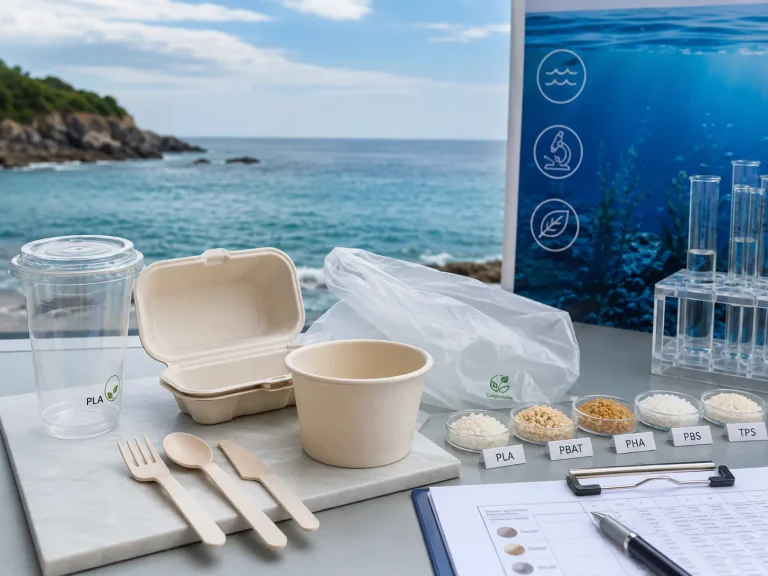
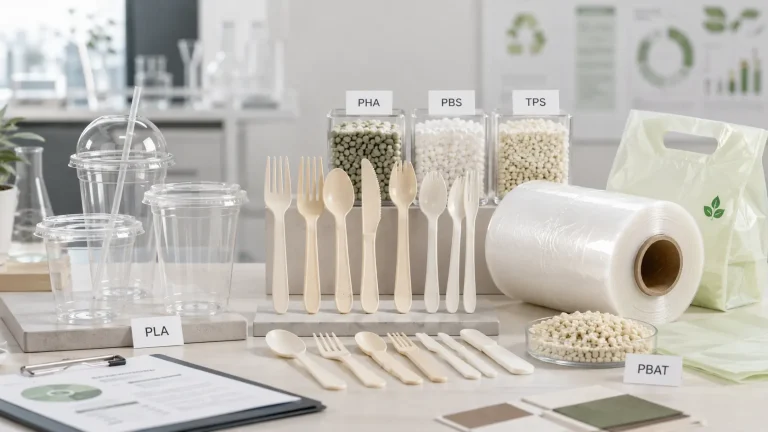
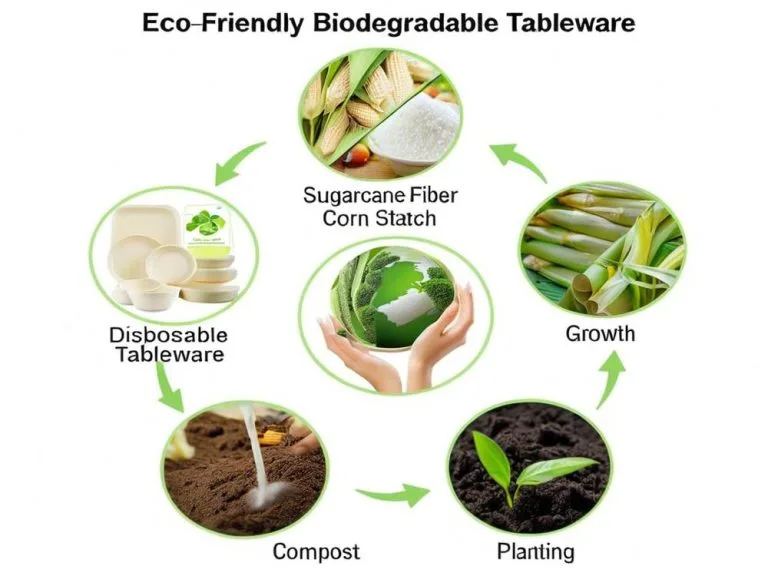
Compostable cups are typically made from materials like PLA (polylactic acid) derived from corn or sugarcane, or molded fibers such as bagasse. These materials break down under composting conditions without leaving toxic residue — sustainable packaging for cafés.
Where can I buy wholesale compostable cups?
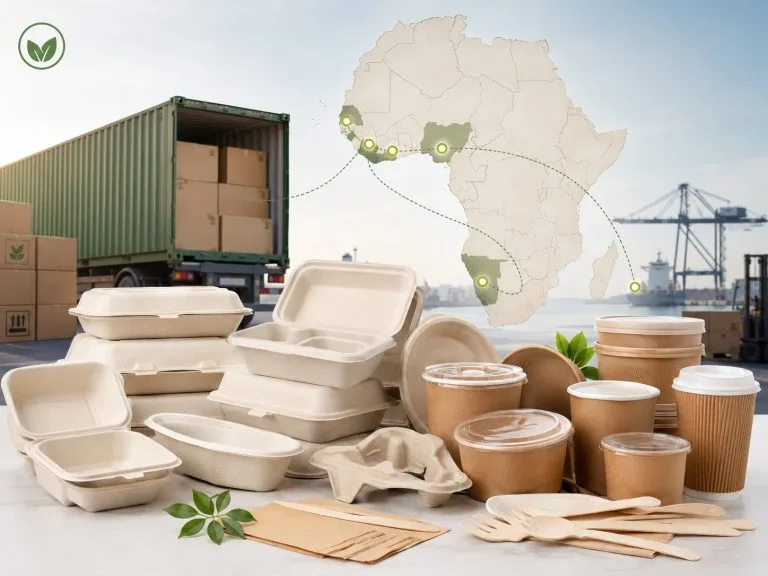
Trusted manufacturers like Bioleader® offer certified compostable cups for global wholesale, with custom branding, private labeling, and export-ready logistics.