Guide To Sustainable Dining Solutions: Materials, Standards & Best Practices | Bioleader® Insights

Actionable coverage of Sustainable dining solutions: eco-friendly, biodegradable, compostable materials, performance data, and compliance under EN13432 & ASTM D6400. Includes BPI/TÜV references and Food-Contact Tested guidance for safe deployment. Buyer-focused: manufacturer insights, bulk/wholesale buying playbooks, OEM/ODM customization tips, full size range selection.
Sustainable dining solutions — Quick Summary
  • Items displayed (articles): 12
  • Last updated: 2025-02-25
  • Includes test data, compliance guides, buyer FAQs, and real-world use cases.

Editor’s Picks: Top Sustainable Dining Solutions Guides 2026

FAQ of Bioleader's Eco-friendly Disposable Tableware

PFAS Free and BPA Free

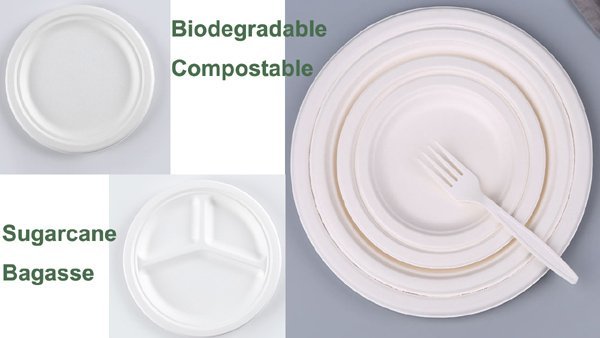
Our sugarcane food trays are free from PFAS and BPA which ensures that the food is not leached with any harmful chemicals. This importance given to health and safety is what sets our compostable trays apart from a large number of disposable products found in the market. When using our trays, it is possible to consider the health and safety of clients and you are easily able to position your image as a business that cares about health.

Catering Service

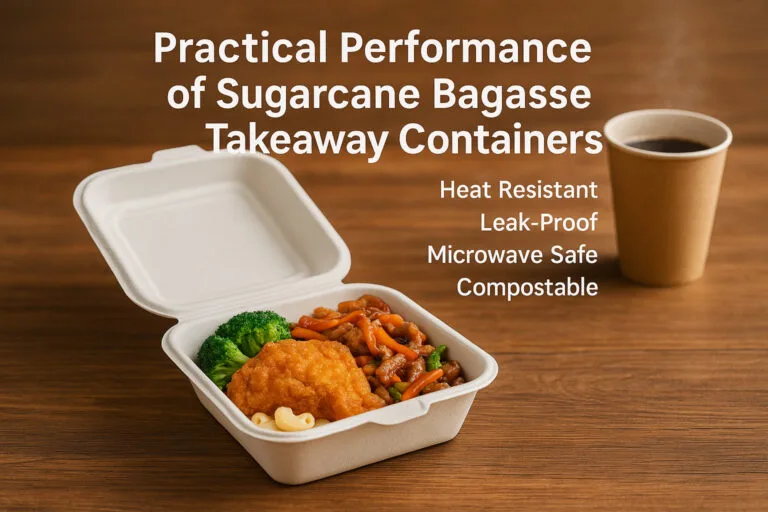
This container works well for event meals, boxed lunches, and group catering programs. It offers a more professional and sustainable image than foam alternatives — Sustainable dining solutions.

5. What certifications should I look for when buying from an eco tray factory?

Reputable factories provide certifications such as OK Compost, BPI, TÜV Austria, EN13432, FDA, and LFGB — Sustainable dining solutions. These ensure the trays are compostable, food-safe, and compliant with international sustainability standards. Packaging Insight: Why Choose Bioleader® Eco-Friendly Trays with Lids for Sustainable Food Packaging How do Bioleader® eco-friendly trays combine performance with sustainability? Utilizing bagasse and other renewable fibers, these trays deliver sturdy, leak-resistant food packaging that withstands hot and cold meals, while being fully compostable.

Why does cornstarch tableware cost more than plastic?

Cornstarch products involve more complex sourcing and manufacturing processes and carry compostable certifications, making them slightly more expensive than plastic.

How does the environmental impact of cornstarch tableware compare to plastic?

Cornstarch products produce fewer carbon emissions, are renewable, and degrade naturally, whereas plastic items contribute to pollution and long-term waste , Sustainable dining solutions.

Related Insights

🚀Ready to Go Green and Choose ?

Join the global movement toward zero-waste packaging.


Bioleader® offers:

  • 📦 Bulk order support & fast delivery

  • ✍️ Custom branding and OEM solutions

  • 🌍 Worldwide eco-packaging compliance

Get the Catalogue Products List  & Contact Us Now! 👉

Contact us Below

Click or drag files to this area to upload.You can upload up to 5 files.
The more details you share, the faster and more accurate our quotation will be.