Supplier Evaluation Framework: Key Industry Highlights | Bioleader® Insights

Actionable coverage of supplier evaluation framework: eco-friendly, biodegradable, compostable materials, performance data, and compliance under EN13432 & ASTM D6400. Includes BPI/TÜV references and Food-Contact Tested guidance for safe deployment. Buyer-focused: manufacturer insights, bulk/wholesale buying playbooks, OEM/ODM customization tips, full size range selection.
supplier evaluation framework — Quick Summary
  • Items displayed (articles): 12
  • Last updated: 2026-01-04
  • Includes test data, compliance guides, buyer FAQs, and real-world use cases.

Editor’s Picks: Top Supplier Evaluation Framework Guides 2026

FAQ of Bioleader's Eco-friendly Disposable Tableware

Why Use Paper Pulp?

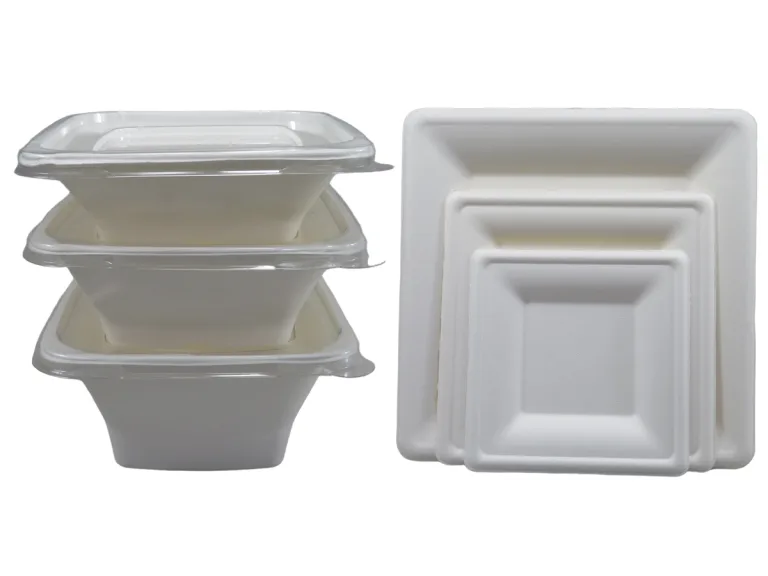
Environmentally Friendly: Paper Pulp can easily cause no harm to the environment since it’s sourced from sustainable sources and has natural degrading properties. Completely Biodegradable: Unlike traditional plastic or styrofoam, the biodegradable disposable bowls will naturally decay, thereby limiting the amount of waste that would’ve filled landfills. Safe for Food and Non-Toxic: These bowls cut out dangerous substances such as BPA and PFAS, which makes sure whatever food is being served in the bowl is free from contamination and is safe for consumption. The Production Process: Paper Pulp Moulding Technology Our biodegradable and organic bowls are made through a modern, eco-friendly method called paper pulp molding.

2. Are compostable food trays microwave-safe?

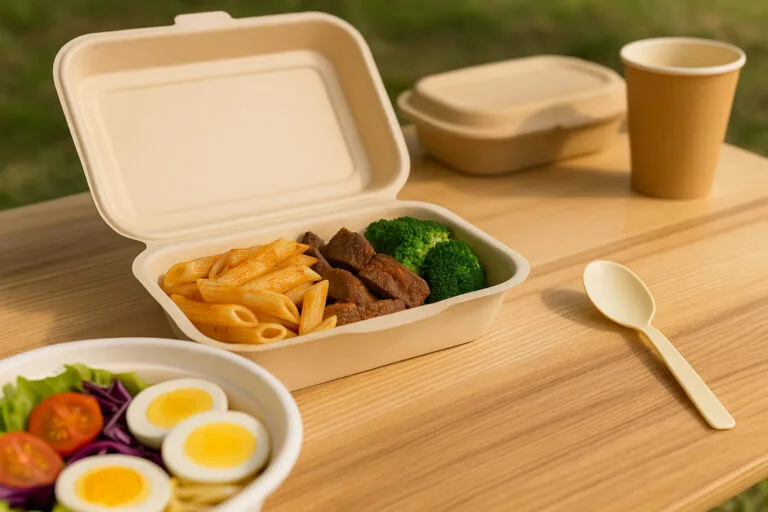
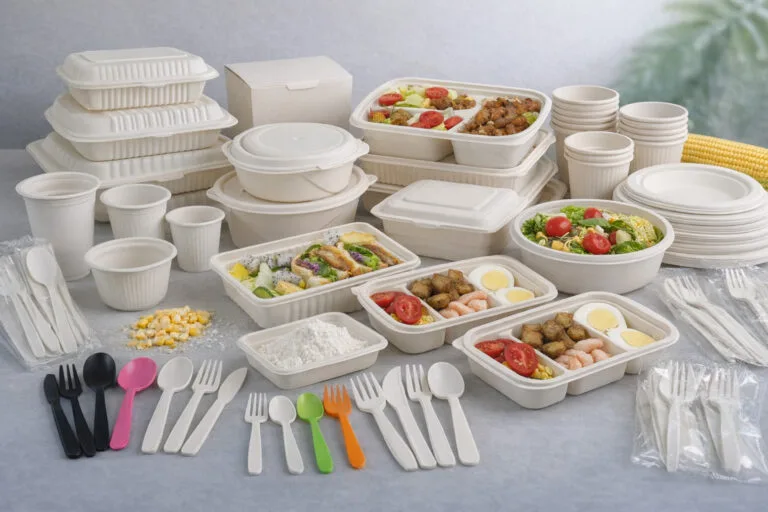
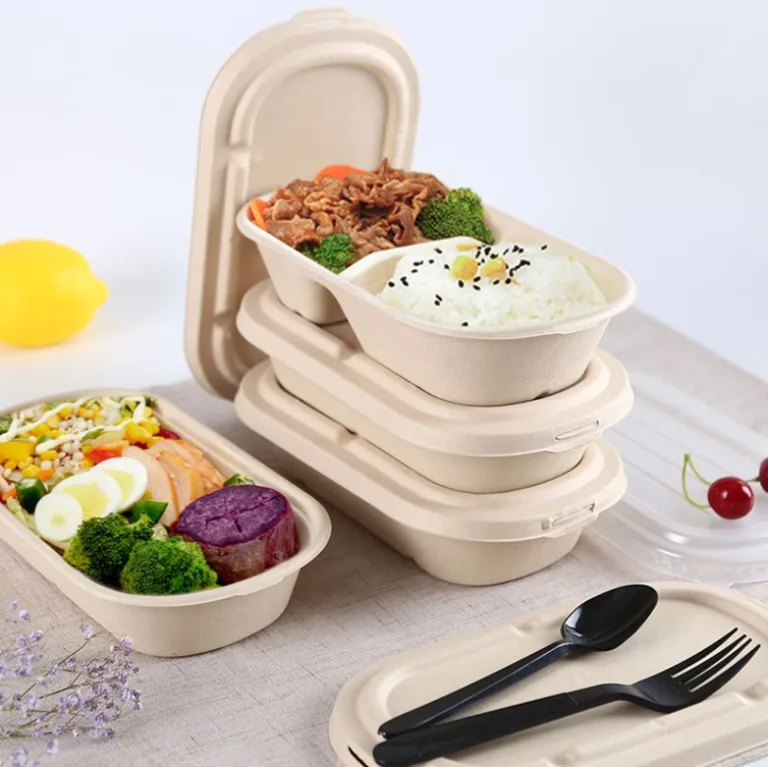
Yes, most compostable food trays made from bagasse or sugarcane pulp are microwave-safe. They can safely withstand typical microwave heating conditions without releasing harmful substances or losing structural integrity.

Eco-Friendly, Compostable, and Biodegradable

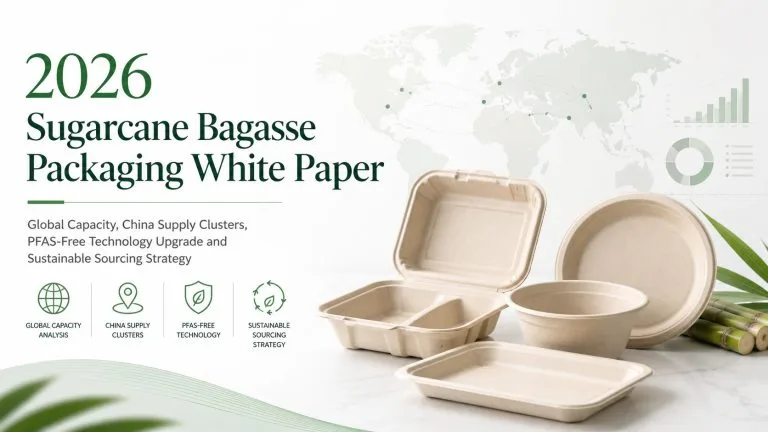
Our molded pulp trays are fully compostable and biodegradable. They naturally break down within a few months, supporting a circular economy and reducing landfill burden. This makes our sugarcane pulp trays an excellent choice for eco-conscious consumers and businesses looking to adopt sustainable practices — supplier evaluation framework.

3.1 Regulatory & Compliance Readiness

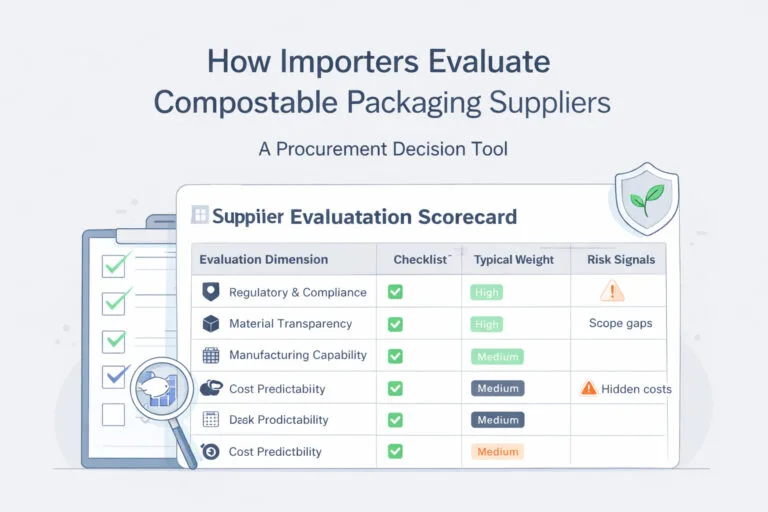
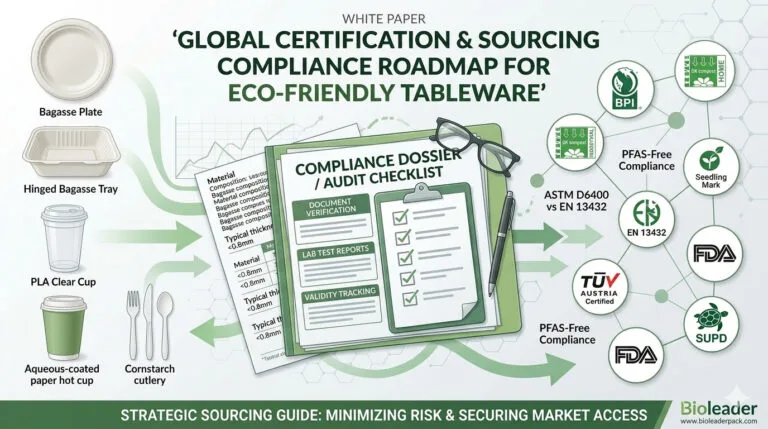
Compliance readiness is often the first elimination criterion. Importers evaluate whether suppliers understand not only current regulations, but also how those regulations apply to specific products and markets. Key considerations include: Alignment with relevant compostability standards (e.g. EN 13432, ASTM D6400) Food-contact compliance (e.g.

3.3 Manufacturing Capability & Scalability

Importers do not assess manufacturing capacity in isolation , supplier evaluation framework. Instead, they evaluate whether production systems can scale without degrading quality or compliance. Typical assessment areas: Stable output capacity over 12–36 month horizons Ability to manage seasonal or promotional demand spikes Flexibility in mold development and specification changes Workforce and process maturity Contingency planning for raw material disruption Suppliers that can scale predictably are favored over those offering high output without operational resilience , supplier evaluation framework.

Related Insights

🚀Ready to Go Green and Choose ?

Join the global movement toward zero-waste packaging.


Bioleader® offers:

  • 📦 Bulk order support & fast delivery

  • ✍️ Custom branding and OEM solutions

  • 🌍 Worldwide eco-packaging compliance

Get the Catalogue Products List  & Contact Us Now! 👉

Contact us Below

Click or drag files to this area to upload.You can upload up to 5 files.
The more details you share, the faster and more accurate our quotation will be.