Soy-based Tableware Vs Alternatives: Cost, Performance, Sustainability | Bioleader® Sustainable Packaging

Actionable coverage of Soy-based Tableware: eco-friendly, biodegradable, compostable materials, performance data, and compliance under EN13432 & ASTM D6400. Includes BPI/TÜV references and Food-Contact Tested guidance for safe deployment. Buyer-focused: manufacturer insights, bulk/wholesale buying playbooks, OEM/ODM customization tips, full size range selection.

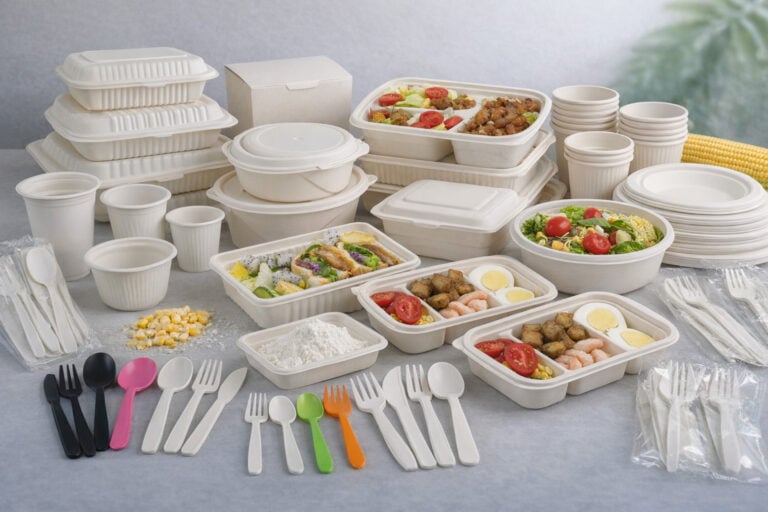
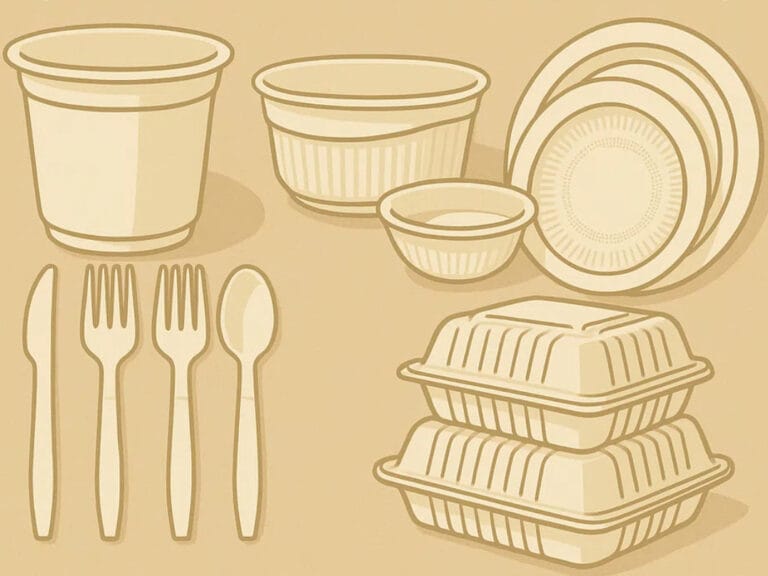
Biodegradable tableware refers to utensils that can naturally decompose under certain conditions after use, helping to reduce environmental pollution and the problem of plastic waste. Here are some common types of biodegradable tableware and their characteristics:

Soy-based Tableware — Quick Summary
  • Items displayed (articles): 12
  • Last updated: 2024-07-08
  • Includes test data, compliance guides, buyer FAQs, and real-world use cases.

Editor’s Picks: Top Soy-based Tableware Guides 2026

FAQ of Bioleader's Eco-friendly Disposable Tableware

Takeaway Meal Packaging

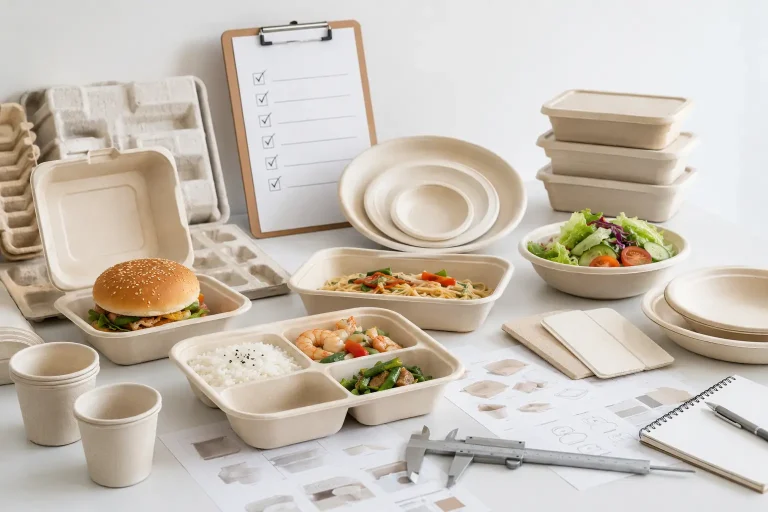
This tray is well suited for rice dishes, noodles, combo meals, grilled foods, and lunch sets. The 1000ml capacity provides enough space for practical single-meal portions.

Catering Service

This container works well for event meals, boxed lunches, and group catering programs. It offers a more professional and sustainable image than foam alternatives.

The Production Process: Paper Pulp Molding As Advantageous For Rigid Structures

The compostable fiber bowls we manufacture are done so through the sugarcane pulp process , Soy-based Tableware. This entails placing sugarcane pulp in certain molds before being subjected to vast amounts of pressure. The end product is highly durable and has the ability to retain its shape even when subjected to sauces and greases.

Molding process

The basic link of the pulp molding process is molding, which mainly uses a specific mold to mold the pulp into a pre-set structural shape. Adsorption molding is one of the common molding techniques. The pulp is adsorbed on the mold and formed into a product with a certain shape and strength through drying and compaction. Hot pressing molding also exists, that is, heating and pressing the pulp to form a more tightly bound material, which helps to produce a stronger result , Soy-based Tableware.

Raw material processing

The raw material components must be further refined into pulp. Usually this stage includes soaking and beating, so that the fibers are completely dispersed in water, so as to obtain a uniform pulp , Soy-based Tableware. The quality of pulp directly affects the performance and appearance of subsequent molded products.

Related Insights

🚀Ready to Go Green and Choose ?

Join the global movement toward zero-waste packaging.


Bioleader® offers:

  • 📦 Bulk order support & fast delivery

  • ✍️ Custom branding and OEM solutions

  • 🌍 Worldwide eco-packaging compliance

Get the Catalogue Products List  & Contact Us Now! 👉

Contact us Below

Click or drag files to this area to upload.You can upload up to 5 files.
The more details you share, the faster and more accurate our quotation will be.