Trends In Renewable Resource Plates: Market Insights, Innovations & FAQs | Bioleader® Insights

Actionable coverage of renewable resource plates: eco-friendly, biodegradable, compostable materials, performance data, and compliance under EN13432 & ASTM D6400. Includes BPI/TÜV references and Food-Contact Tested guidance for safe deployment. Buyer-focused: manufacturer insights, bulk/wholesale buying playbooks, OEM/ODM customization tips, full size range selection.
renewable resource plates — Quick Summary
  • Items displayed (articles): 12
  • Last updated: 2025-03-14
  • Includes test data, compliance guides, buyer FAQs, and real-world use cases.

Editor’s Picks: Top Renewable Resource Plates Guides 2026

FAQ of Bioleader's Eco-friendly Disposable Tableware

Waterproof and Oil-proof

The leakage possibility from our bagasse food trays is eliminated by the unique composition of the trays, which makes them leak proof , renewable resource plates. Whether it’s for hot or cold food, our trays can be conveniently used to transport food without any risk of a mess. They are also suitable for offline or online orders as they will ensure that customers get a fresh meal without any mess. Like everything we have here, customers are guaranteed to have a clean and non-messy experience when using our bagasse food trays.

Institutional Foodservice

Schools, offices, hospitals, and canteens can use this bagasse tray for everyday meal distribution. It combines convenience, disposable efficiency, and better environmental positioning.

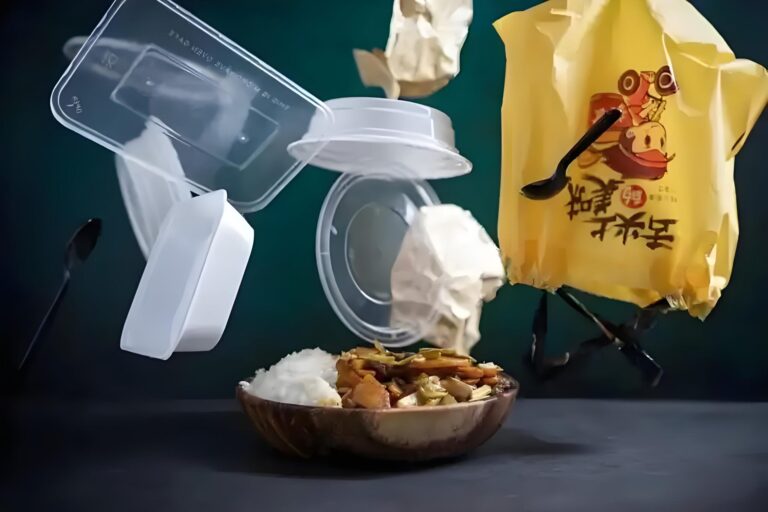
1. What materials are commonly used for takeaway containers with lids?

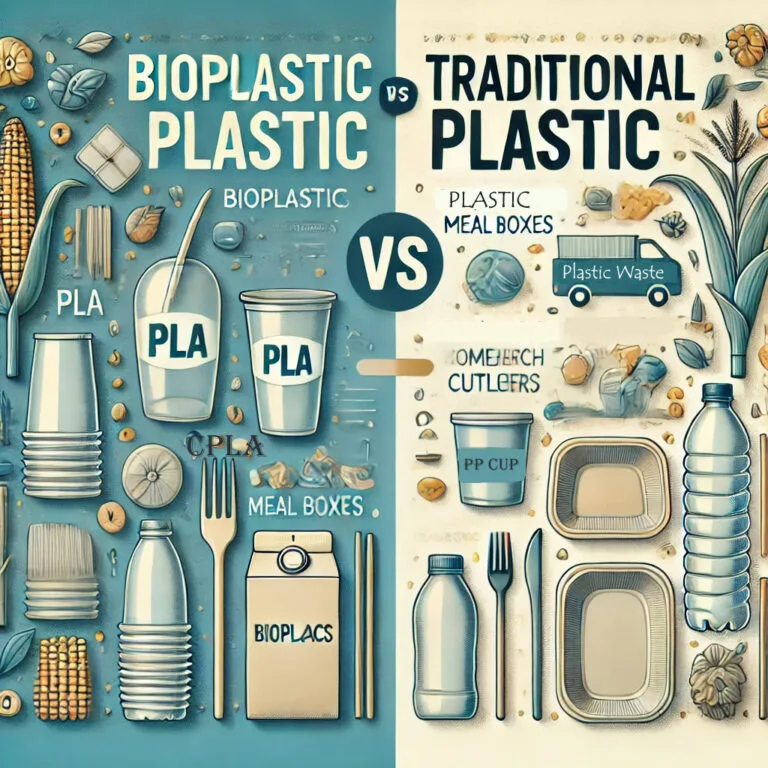
Takeaway containers are made from a variety of materials including sugarcane bagasse, kraft paper, PLA bioplastics, PP plastic, and aluminum. For eco-friendly applications, compostable bagasse and PLA are the most sustainable choices — renewable resource plates.

What are bagasse plates?

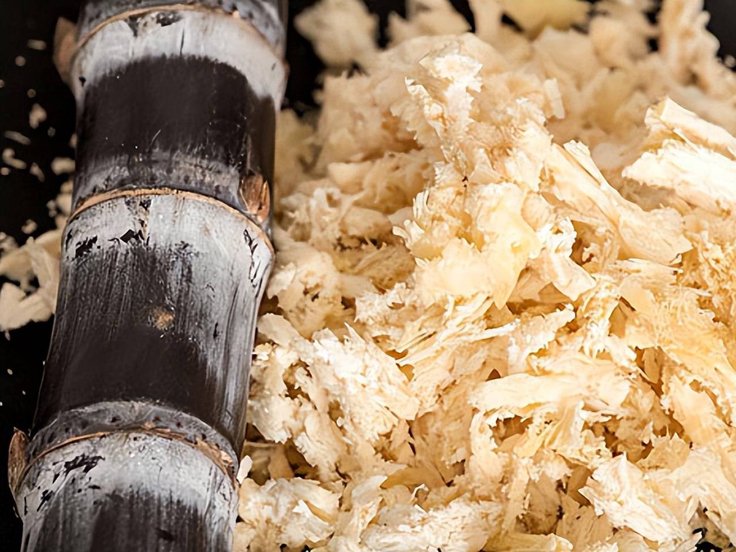
Bagasse plates are eco-friendly disposable tableware made from the fibrous residue left after extracting juice from sugarcane stalks , renewable resource plates. This material, once considered agricultural waste, is now repurposed into sustainable products like plates, bowls, and food containers. Utilizing bagasse not only provides a renewable resource but also offers an environmentally responsible alternative to traditional plastic and paper tableware.

1. Collection and Preparation of Bagasse

After sugar extraction, the residual bagasse is collected and transported to manufacturing facilities. This fibrous material is then cleaned to remove impurities, ensuring the purity of the final product.​

Related Insights

🚀Ready to Go Green and Choose ?

Join the global movement toward zero-waste packaging.


Bioleader® offers:

  • 📦 Bulk order support & fast delivery

  • ✍️ Custom branding and OEM solutions

  • 🌍 Worldwide eco-packaging compliance

Get the Catalogue Products List  & Contact Us Now! 👉

Contact us Below

Click or drag files to this area to upload.You can upload up to 5 files.
The more details you share, the faster and more accurate our quotation will be.