FAQ of Bioleader's Eco-friendly Disposable Tableware
Why should businesses switch to environmentally friendly cutlery?
Switching to environmentally friendly cutlery helps reduce plastic waste, meets growing consumer demand for sustainable products, and enhances a business’s environmental reputation , Renewable materials.
Why should businesses switch to earth friendly disposable cutlery?
Switching to earth friendly disposable cutlery helps reduce plastic waste, meets eco-conscious consumer demand, and positions a business as a leader in sustainability.
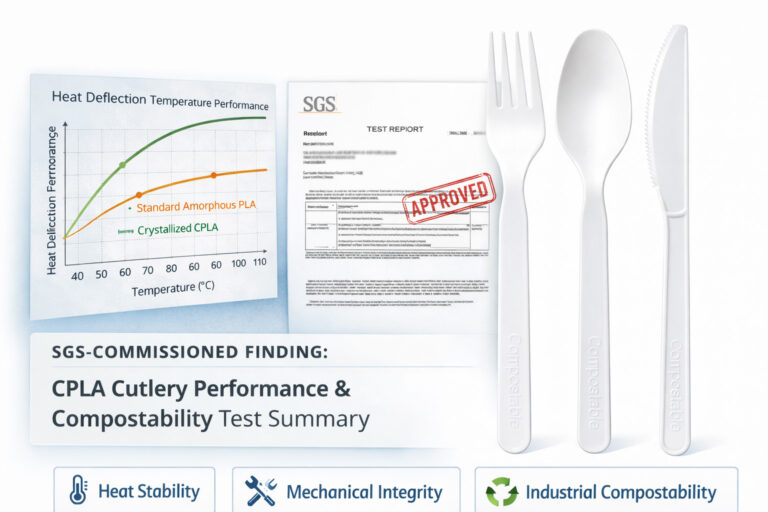
What features do biodegradable disposable spoons and forks offer?
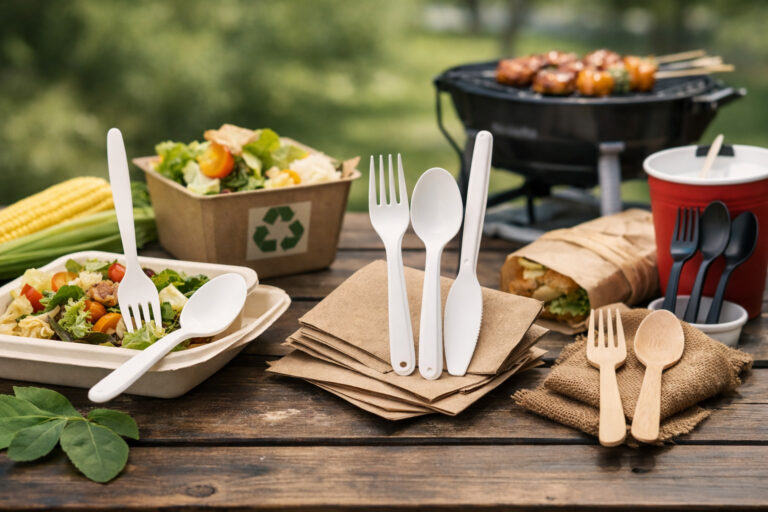
With customizable packaging options and a range of features such as heat resistance, safety, and cost-effectiveness, they cater to various uses—from outdoor events to everyday dining.
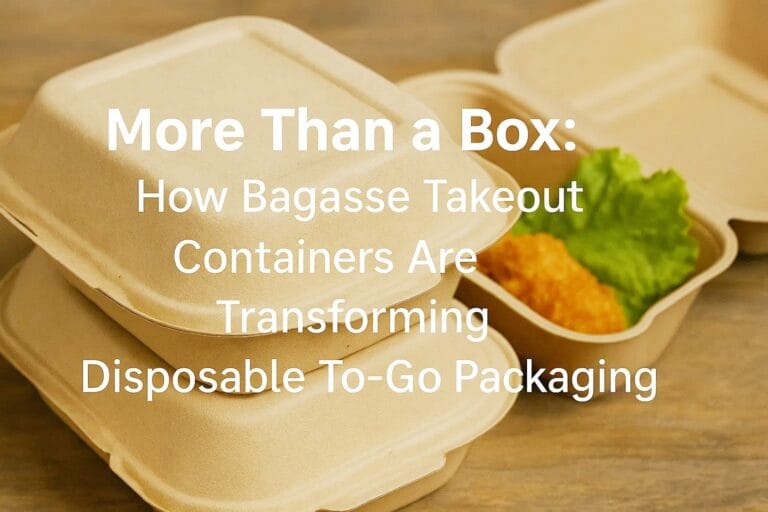
What is Bagasse?
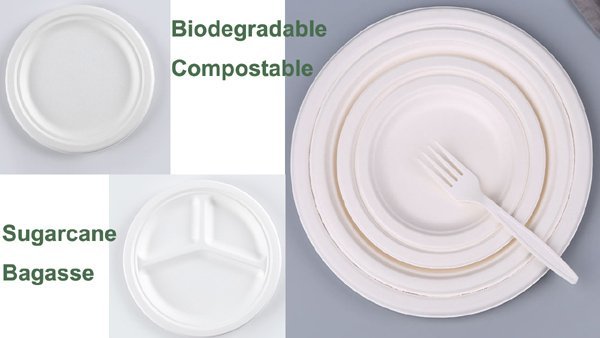
Bagasse is the residual fibrous material left after extracting juice from sugarcane. Initially treated as industrial waste, bagasse has been repurposed into a valuable raw material for manufacturing biodegradable products. Its inherent properties—such as high strength, thermal resistance, and ease of processing—make it an ideal candidate for producing eco-friendly plates. Today, bagasse plates are at the forefront of sustainable dining, providing an effective alternative to conventional plastic tableware — Renewable materials.
Can sugarcane be used to make plastic alternatives?
Yes, bioplastics such as PLA can be derived from sugarcane — Renewable materials. These materials are used in making compostable cups, utensils, and flexible packaging.