The 2025 Buyer’s Guide To PP Cups | Bioleader® Insights

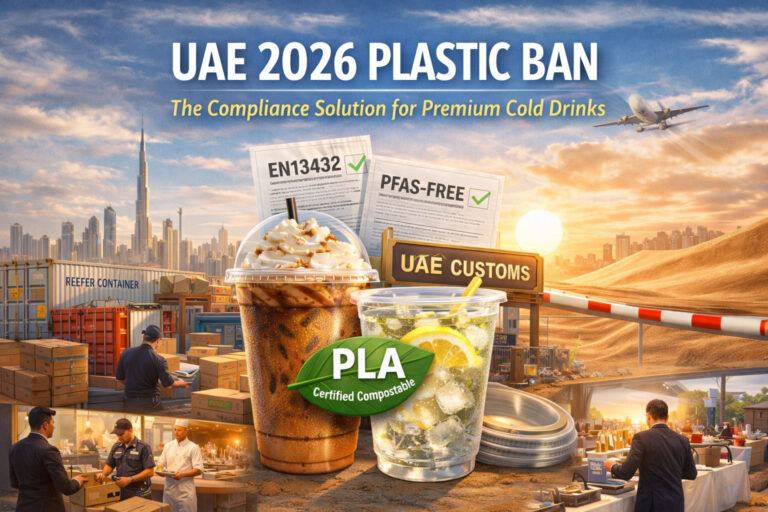
Actionable coverage of PP cups: eco-friendly, biodegradable, compostable materials, performance data, and compliance under EN13432 & ASTM D6400. Includes BPI/TÜV references and Food-Contact Tested guidance for safe deployment. Buyer-focused: manufacturer insights, bulk/wholesale buying playbooks, OEM/ODM customization tips, full size range selection.
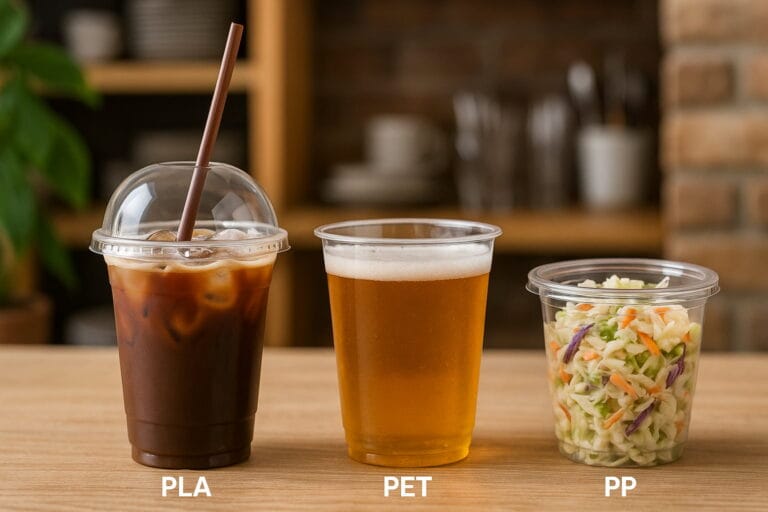
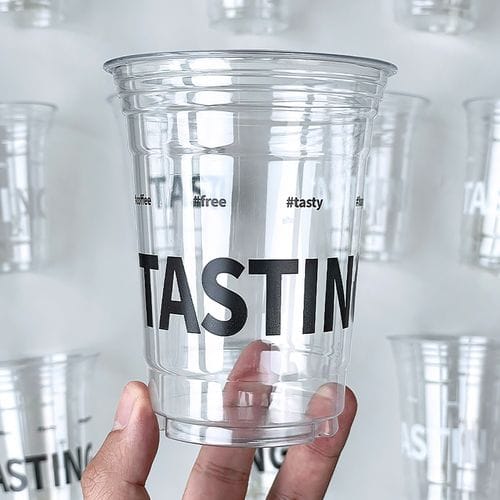
Quick Summary: This comprehensive comparison explains the key differences between PLA, PP, and PET cups for foodservice buyers. Learn how these materials differ in temperature resistance, transparency, compostability, recyclability, and branding potential. PLA offers plant-based sustainability and compostability; PP excels in heat resistance and durability; PET delivers superior clarity and recyclability. Ideal for cafés, beverage brands, and distributors seeking sustainable packaging solutions.
PP cups — Quick Summary
  • Items displayed (articles): 12
  • Last updated: 2025-11-04
  • Includes test data, compliance guides, buyer FAQs, and real-world use cases.

Editor’s Picks: Top Pp Cups Guides 2026

FAQ of Bioleader's Eco-friendly Disposable Tableware

Is it really compostable?

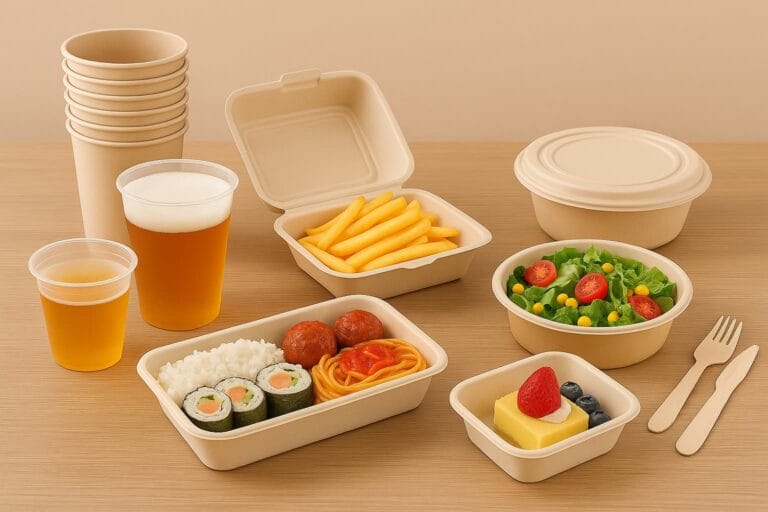
Yes, these salad bowls compostable are made from biodegradable materials such as kraft paper and white cardboard paper which allow it to biodegrade when discarded appropriately , PP cups.

Are these biodegradable bowls completely eco-friendly and compostable?

Yes, our biodegradable bowls with lids are made from 100% eco-friendly materials like kraft paper and white cardboard, making them fully biodegradable after use , PP cups.

Is there a possibility to order the bowls with my logo?

Of course! Custom printing is an opportunity for you to order bowls with your logo or design printed on them. Do not hesitate to ask for additional information regarding the special applications.

PLA (Polylactic Acid)

PLA is a bio-based polymer made from renewable resources such as corn starch, sugarcane, or cassava — PP cups. Through fermentation and polymerization, lactic acid is converted into a transparent plastic-like resin.Advantages: 100% plant-based, non-toxic, BPA-free High transparency and gloss, ideal for premium cold beverages Compostable under industrial conditions (EN13432 / ASTM D6400 certified) Limitations: Heat resistance typically limited to 45–50°C (113–122°F) Requires industrial composting facilities for proper degradation

240 ml to Cups

Metric Perspective:In many countries, liquid volumes are measured in milliliters. Although 240 ml is slightly above 1 cup, for most practical purposes it is treated as equivalent. Usage in Packaging:Many beverage containers are labeled as “240 ml water cups” or “cup 240 ml” to reflect this near-equivalence.

Related Insights

🚀Ready to Go Green and Choose ?

Join the global movement toward zero-waste packaging.


Bioleader® offers:

  • 📦 Bulk order support & fast delivery

  • ✍️ Custom branding and OEM solutions

  • 🌍 Worldwide eco-packaging compliance

Get the Catalogue Products List  & Contact Us Now! 👉

Contact us Below

Click or drag files to this area to upload.You can upload up to 5 files.
The more details you share, the faster and more accurate our quotation will be.