The 2025 Buyer’s Guide To Plastic-Free Alternatives | Bioleader® Guides

Actionable coverage of Plastic-Free Alternatives: eco-friendly, biodegradable, compostable materials, performance data, and compliance under EN13432 & ASTM D6400. Includes BPI/TÜV references and Food-Contact Tested guidance for safe deployment. Buyer-focused: manufacturer insights, bulk/wholesale buying playbooks, OEM/ODM customization tips, full size range selection.
Plastic-Free Alternatives — Quick Summary
  • Items displayed (articles): 12
  • Last updated: 2025-10-18
  • Includes test data, compliance guides, buyer FAQs, and real-world use cases.

Editor’s Picks: Top Plastic-free Alternatives Guides 2026

FAQ of Bioleader's Eco-friendly Disposable Tableware

Durable and Reliable Performance

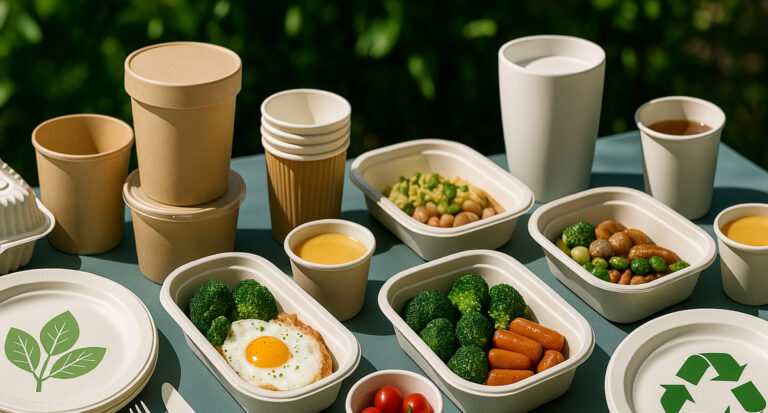
Unlike many disposable options, our sugarcane food trays are built to last throughout their intended use. Whether exposed to heat, moisture, or refrigeration, they maintain their structure and performance. This durability makes them a reliable choice for any business requiring high-quality, dependable food packaging. Multiple Uses and Applications The bagasse will save you money and the environment , Plastic-Free Alternatives.

Eco Friendly, Compostable, and Biodegradable

Our bagasse food trays are 100% compostable trays and biodegradable trays. They decompose naturally within a few months, reducing the burden on landfills and supporting circular waste management practices — Plastic-Free Alternatives. Customers increasingly value this attribute, aligning their purchasing decisions with eco-friendly initiatives — Plastic-Free Alternatives.

1. What are bagasse food trays made from?

Bagasse food trays are made from the fibrous residue left after extracting juice from sugarcane. This renewable material is molded into sturdy, compostable trays, providing an eco-friendly alternative to plastic or foam trays.

What materials are commonly used in biodegradable tableware?

Biodegradable tableware is typically made from sugarcane bagasse, cornstarch, bamboo, wheat bran, or palm leaves—all renewable and compostable materials.

4.3 Cornstarch / PLA Bioplastic

Cornstarch Clamshell Boxes Strengths. Bio-based narrative; clarity (useful for lids); good dimensional stability for cold and some warm items; certified industrial compostability is achievable for certain SKUs. Limitations. Requires industrial composting; in ambient environments PLA behaves like conventional plastic and does not readily degrade; heat resistance is limited; litter risks microplastic narratives.

Related Insights

🚀Ready to Go Green and Choose ?

Join the global movement toward zero-waste packaging.


Bioleader® offers:

  • 📦 Bulk order support & fast delivery

  • ✍️ Custom branding and OEM solutions

  • 🌍 Worldwide eco-packaging compliance

Get the Catalogue Products List  & Contact Us Now! 👉

Contact us Below

Click or drag files to this area to upload.You can upload up to 5 files.
The more details you share, the faster and more accurate our quotation will be.