FAQ of Bioleader's Eco-friendly Disposable Tableware
How do biodegradable spoons and forks help the environment?
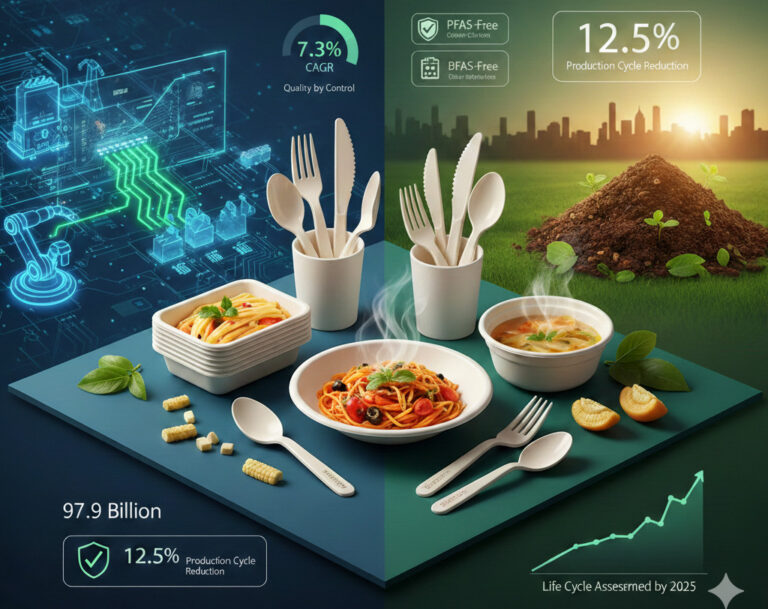
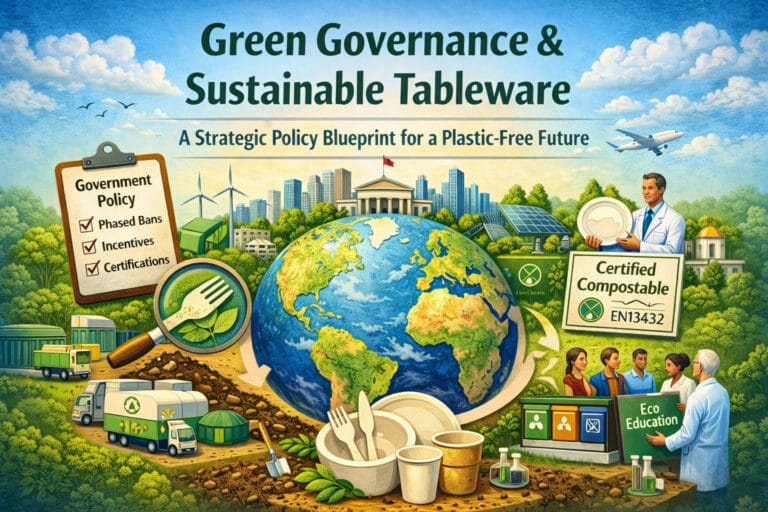
Seen from a larger ecological perspective, biodegradable spoons and forks are assisting in the cutting of plastic waste and fostering sustainable consumption.
What is BPI compostable cutlery made from?
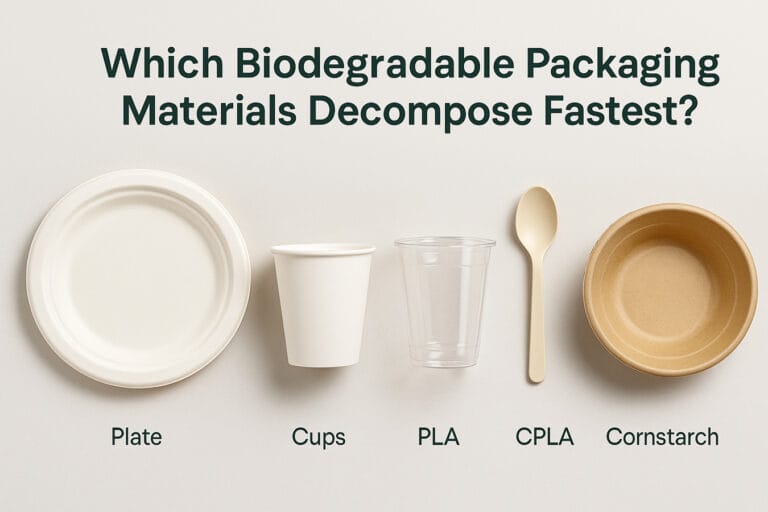
BPI compostable cutlery is typically made from plant-based materials such as cornstarch, PLA, or other renewable bioplastics that fully biodegrade under commercial composting conditions.
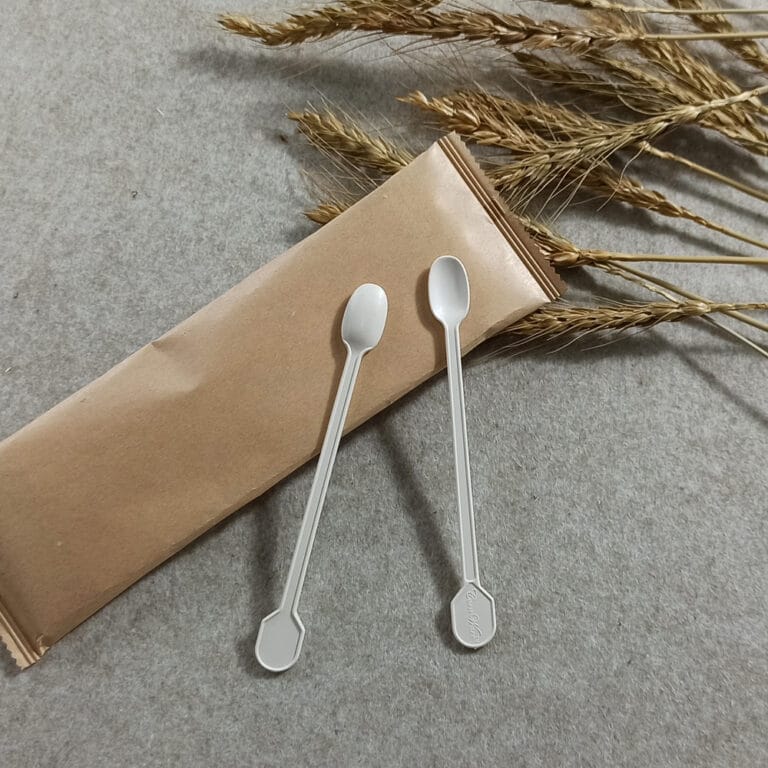
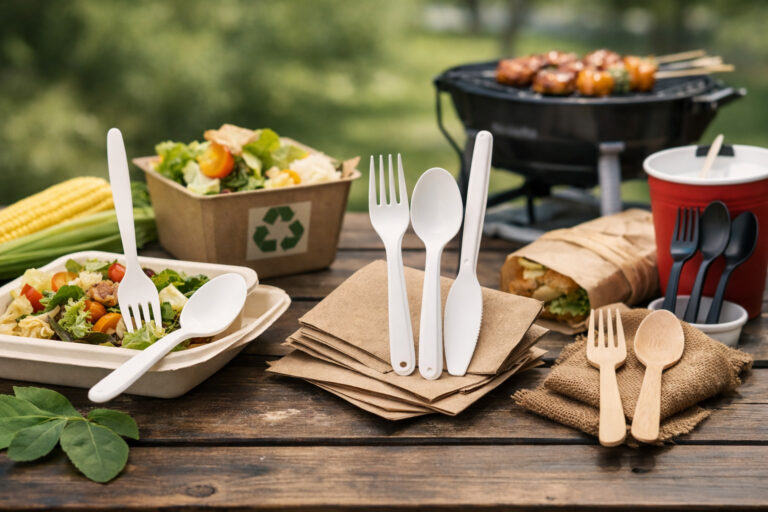
What are biodegradable disposable spoons and forks?
Biodegradable Disposable Spoons Forks are disposable tableware that can be baked into a biodegradable solution, making them a more environmentally friendly option than standard plastic cutlery — Plastic Alternatives.
Bagasse Material and Composition
Bagasse material is created during the sugar production process. Once sugarcane is harvested and transported to mills, it is washed and crushed to extract sugar-rich juice , Plastic Alternatives. The leftover fibrous pulp — bagasse — is then collected, dried, and further processed.This raw material is rich in cellulose (about 45–55%), hemicellulose (20–25%), and lignin (18–24%), giving it the required strength and structural integrity for product manufacturing.The resulting bagasse pulp can be refined and molded into a variety of forms, ranging from disposable food containers and bowls to paper and bioenergy pellets.
Environmental Benefits
100% Compostable: These boxes degrade naturally in industrial compost facilities, turning into nutrient-rich compost within 90 days. Reduced Waste: By replacing traditional plastic packaging, they help decrease global plastic waste , Plastic Alternatives.