The 2025 Buyer’s Guide To Plastic Alternative | Bioleader® Insights

Browse articles grouped under the "plastic alternative" tag for topic-specific information and examples. The featured articles may approach the topic from different product, material, application, market, or sourcing perspectives. Check each article for its exact scope, technical data, standards, sources, and recommendations.
plastic alternative — Content Overview
  • Featured articles shown: 12
  • Directly tagged articles: 2
  • Latest tagged article update: 2026-09-03
  • Coverage, examples, and specific recommendations vary by individual article.

Editor's Picks: Top Plastic Alternative Guides 2026

FAQ of Bioleader's Eco-friendly Disposable Tableware

They cannot take away hot foods?

Yes, of course. These salad bowls kraft paper and can take hot food as well as cold food, hence usable for a range of dishes.

Do the lids hold tight so there are no leakage problems while in transit?

Yes, the lids are designed in such a way that they are fastened to the container securely and will not let the contents escape or leak during transit, which is an ideal characteristic for takeaway and delivery orders.

Is there a possibility to order the bowls with my logo?

Of course! Custom printing is an opportunity for you to order bowls with your logo or design printed on them , plastic alternative. Do not hesitate to ask for additional information regarding the special applications , plastic alternative.

Overview and Sustainability Benefits

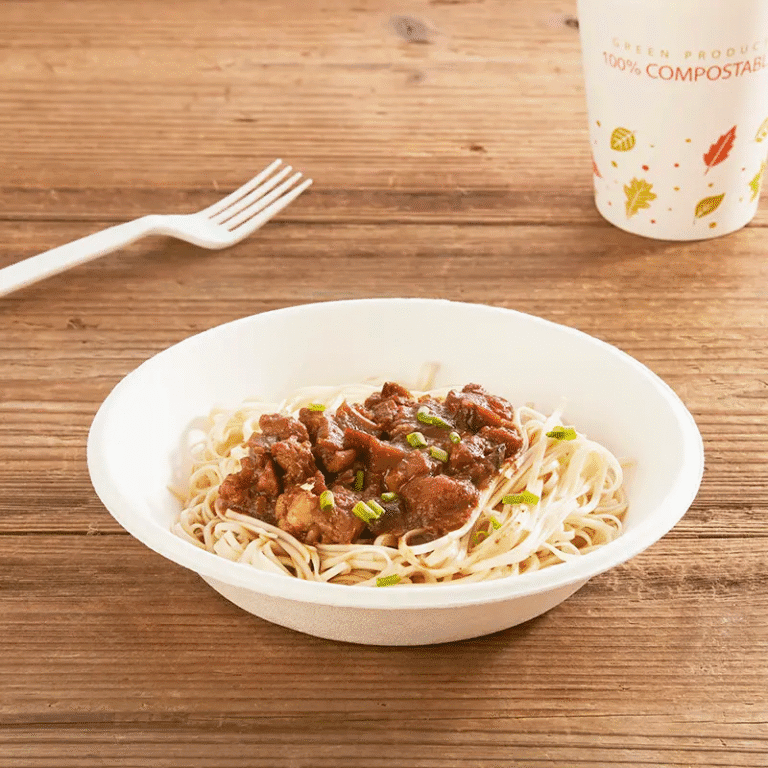
Sugarcane bagasse is the fibrous residue left after extracting juice from sugarcane. Instead of being discarded or burned, bagasse is upcycled into biodegradable bowls — plastic alternative. This practice not only uses a waste product but also reduces the need for additional raw materials. Bagasse bowls are naturally compostable and can handle hot or cold food, making them an excellent alternative to plastic tableware.

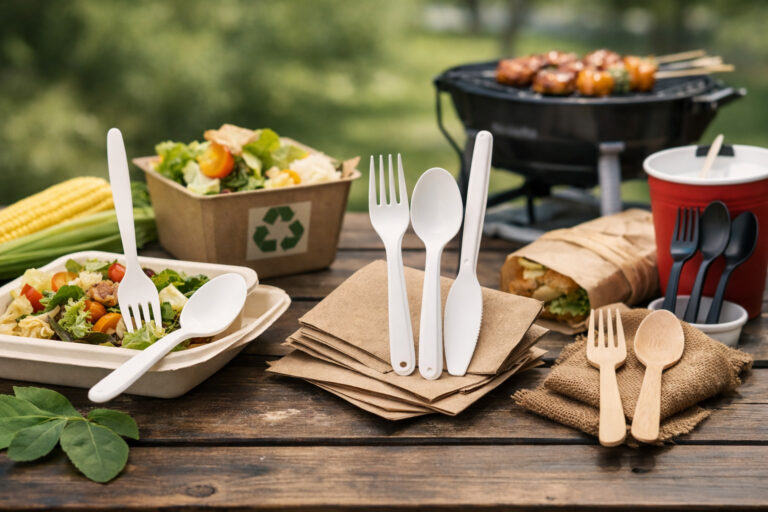
Cornstarch Cutlery

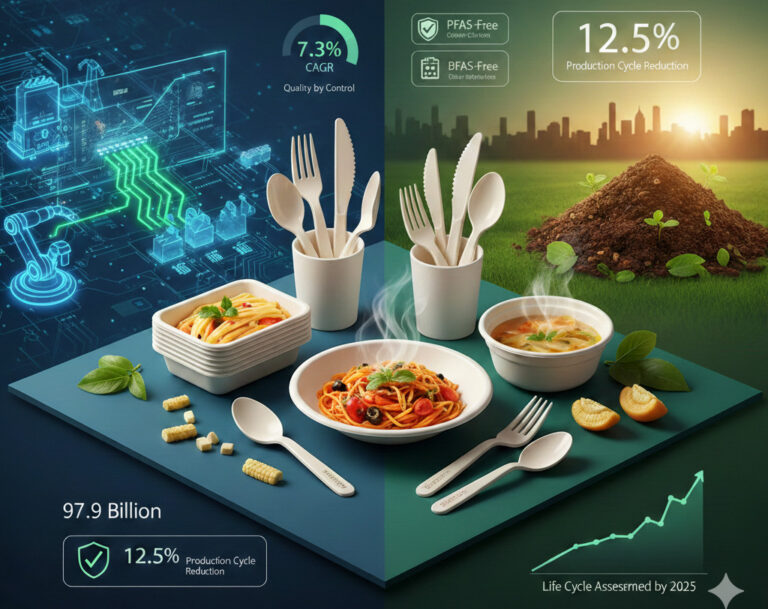
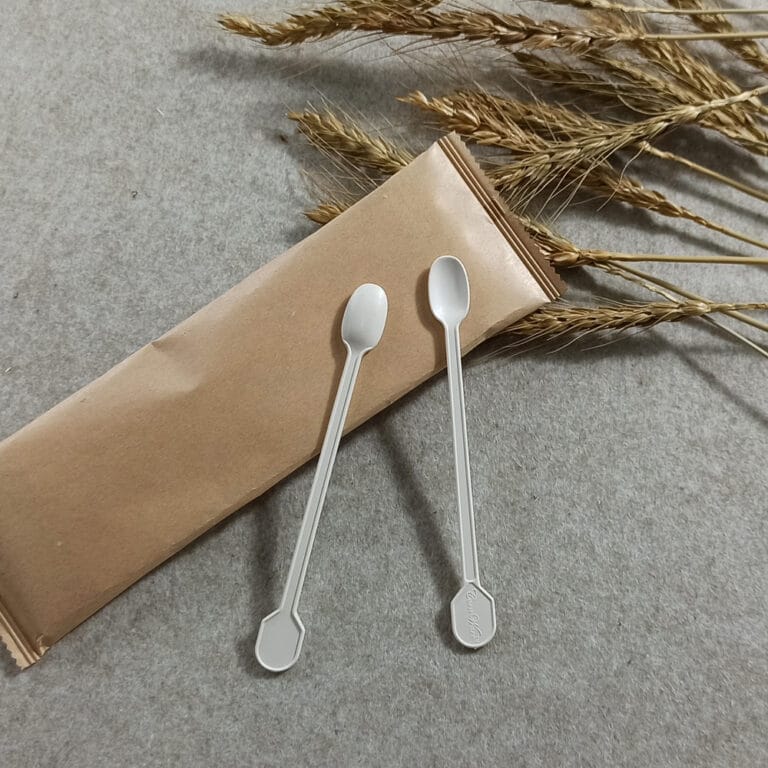
Cornstarch utensils are made from modified starch polymer blends, typically combining natural starch with biodegradable polyesters like PBS or PLA. They are renewable, non-toxic, and BPA-free, using plant-based feedstock such as corn or cassava. The production energy demand is about 40% lower than PP, and the lifecycle carbon footprint averages 1.4–1.6 kg CO₂e per kg, which translates to roughly 35% less than plastic. Cornstarch utensils break down in 90–180 days under industrial composting conditions, returning nutrients to the soil instead of fossil carbon to the air.

Related Insights

🚀Ready to Go Green and Choose ?

Join the global movement toward zero-waste packaging.


Bioleader® offers:

  • 📦 Bulk order support & fast delivery

  • ✍️ Custom branding and OEM solutions

  • 🌍 Worldwide eco-packaging compliance

Get the Catalogue Products List  & Contact Us Now! 👉

Contact Us for Quote

Click or drag files to this area to upload.You can upload up to 5 files.
The more details you share, the faster and more accurate our quotation will be.