Guide To PFOA Free Cookware: Materials, Standards & Best Practices | Bioleader® Insights

Actionable coverage of PFOA free cookware: eco-friendly, biodegradable, compostable materials, performance data, and compliance under EN13432 & ASTM D6400. Includes BPI/TÜV references and Food-Contact Tested guidance for safe deployment. Buyer-focused: manufacturer insights, bulk/wholesale buying playbooks, OEM/ODM customization tips, full size range selection.

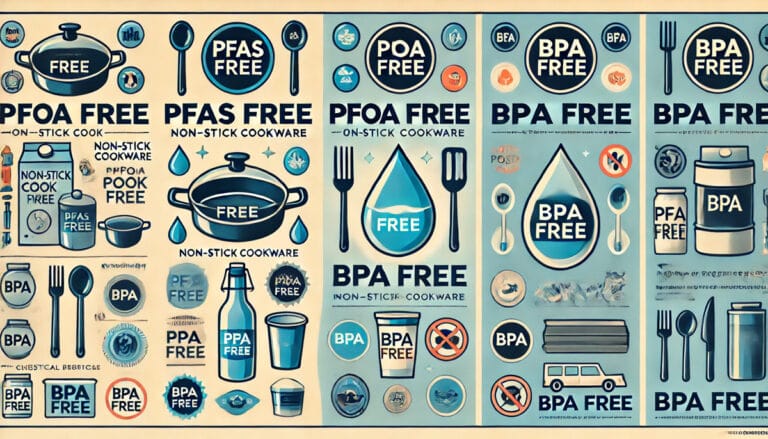
In today’s health-conscious world, the safety of everyday products—especially those that come in direct contact with our food—has never been more important. Dinnerware is a daily necessity, and the materials and chemicals used in its production can potentially have lasting effects on both human health and the environment. Increasingly, consumers encounter labels such as “PFAS-free,” “PFOA-free,” and “BPA-free” on cookware and dinnerware products. However, understanding what these labels truly mean and how they differ is essential for making informed purchasing decisions.

PFOA free cookware — Quick Summary
  • Items displayed (articles): 12
  • Last updated: 2025-03-01
  • Includes test data, compliance guides, buyer FAQs, and real-world use cases.

Editor’s Picks: Top Pfoa Free Cookware Guides 2025

FAQ of Bioleader's Eco-friendly Disposable Tableware

Can the 3 compartments handle both hot and cold foods?

Yes, they are heat-resistant, grease-proof, and suitable for both hot and chilled meals.

Are trays with lids suitable for both hot and cold meals?

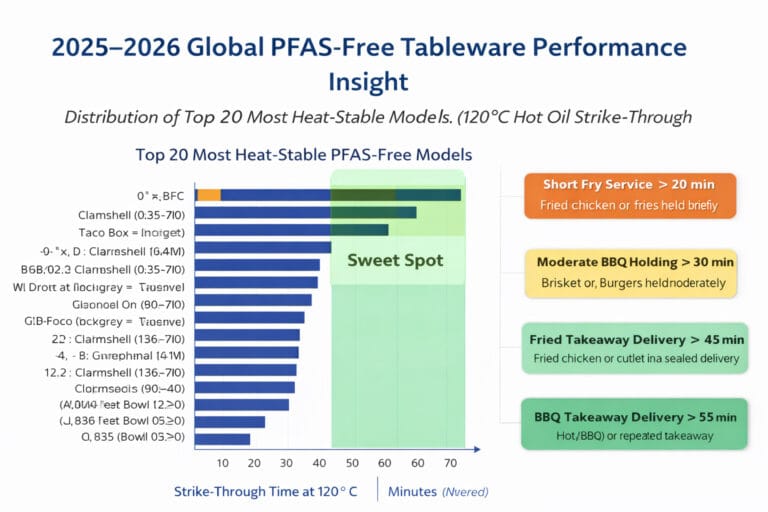
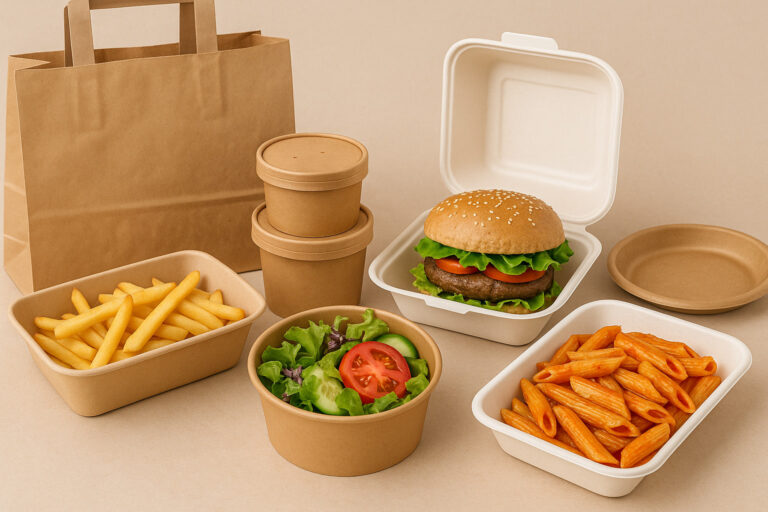
Yes. High-quality eco trays are heat-resistant up to 120°C and freezer-safe , PFOA free cookware. They’re ideal for packing hot dishes like rice and curries or cold items like salads, desserts, and refrigerated meals — PFOA free cookware.

What materials are available for disposable food trays with lids?

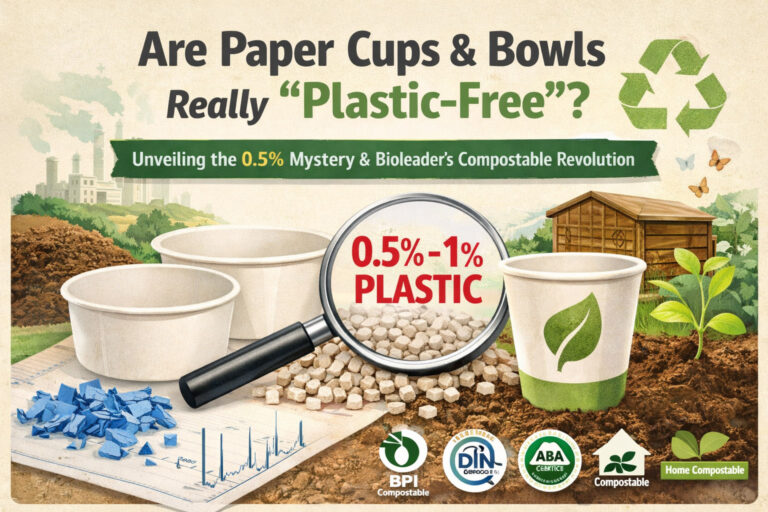
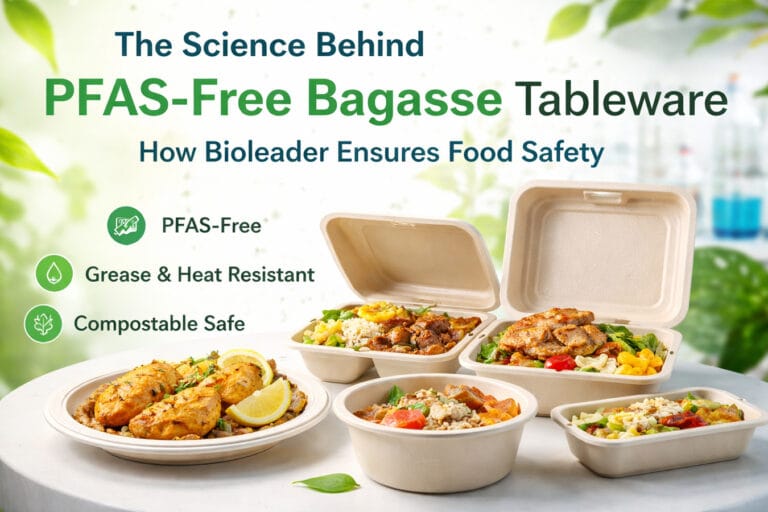
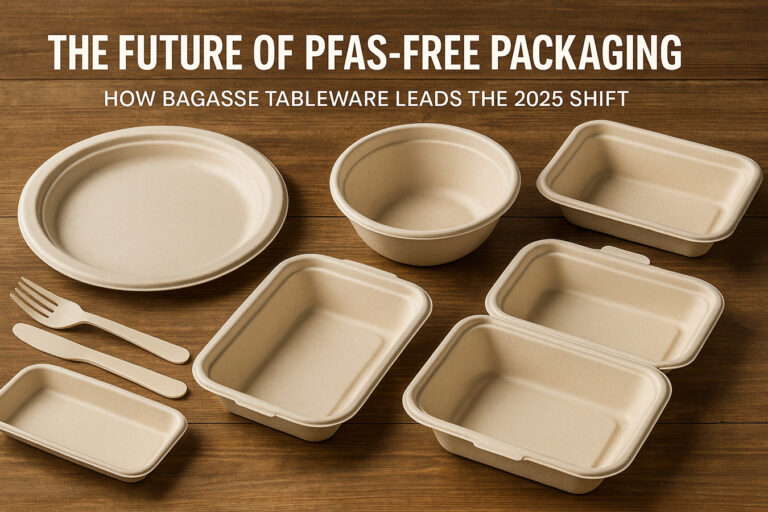
Common materials include sugarcane bagasse, kraft paper, aluminum, PET, PP, and PLA — PFOA free cookware. For eco-conscious businesses, bagasse and PLA trays are preferred due to their compostable and biodegradable properties.

What is the difference between PFAS, PFOA, and BPA?

PFAS is a group of synthetic chemicals, PFOA is a specific type of PFAS linked to health risks, and BPA is a separate chemical used in plastics with known hormonal effects.

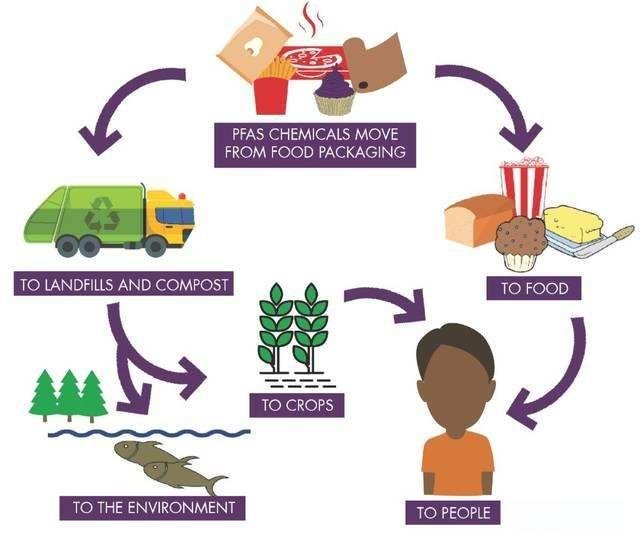
Why should I choose PFAS-free dinnerware?

PFAS chemicals are known as “forever chemicals” and may persist in the body and environment. Choosing PFAS-free dinnerware helps reduce long-term health and ecological risks.

Related Insights

🚀Ready to Go Green and Choose ?

Join the global movement toward zero-waste packaging.


Bioleader® offers:

  • 📦 Bulk order support & fast delivery

  • ✍️ Custom branding and OEM solutions

  • 🌍 Worldwide eco-packaging compliance

Get the Catalogue Products List  & Contact Us Now! 👉

Contact us Below

Click or drag files to this area to upload.You can upload up to 5 files.
The more details you share, the faster and more accurate our quotation will be.