Paper Cup Compliance EU For Food Packaging: Key Points | Bioleader® Insights

Actionable coverage of Paper cup compliance EU: eco-friendly, biodegradable, compostable materials, performance data, and compliance under EN13432 & ASTM D6400. Includes BPI/TÜV references and Food-Contact Tested guidance for safe deployment. Buyer-focused: manufacturer insights, bulk/wholesale buying playbooks, OEM/ODM customization tips, full size range selection.

Has Europe Banned PLA-Coated Paper Cups? What Are the Alternatives? (Bioleader® Research Brief)

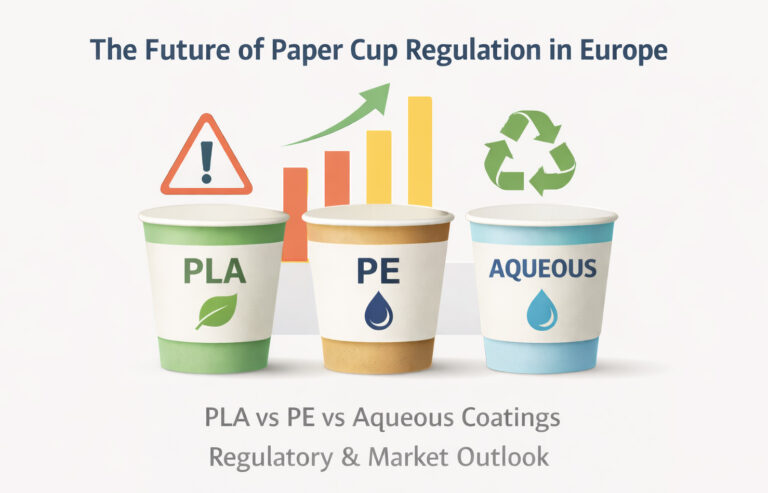
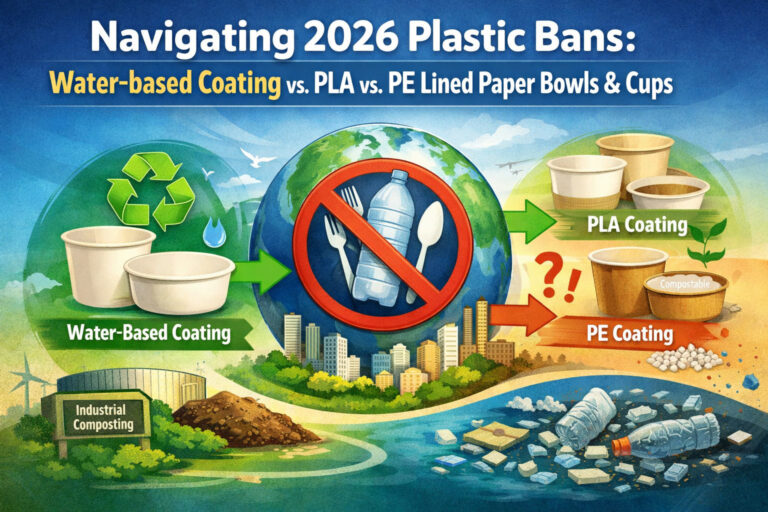
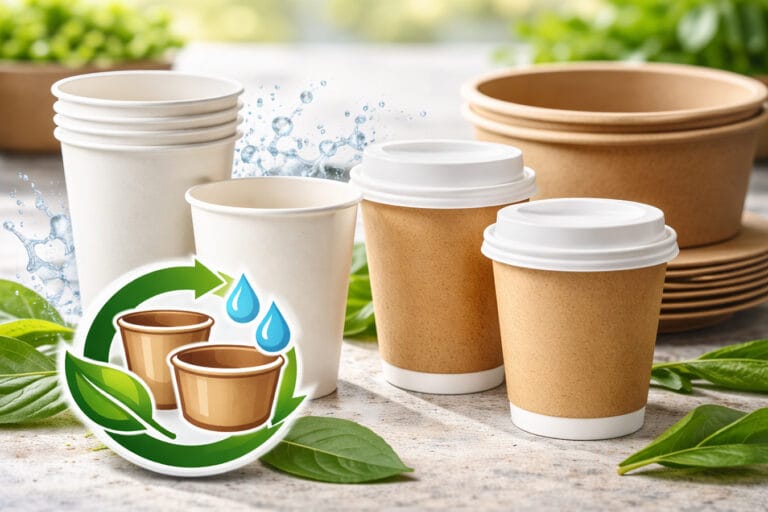
Quick Summary: No. Europe has not banned PLA-coated paper cups at the EU level. However, under Directive (EU) 2019/904 (Single-Use Plastics Directive), PLA is legally defined as plastic. As a result, PLA-lined beverage cups are regulated the same as conventional PE-lined cups, including mandatory plastic-content marking under Regulation (EU) 2020/2151 and inclusion in national Extended Producer Responsibility (EPR) schemes. Based on Bioleader®’s 2024–2025 questionnaire covering 30+ European paper-cup distributors, market demand is gradually shifting away from PLA due to compliance exposure and recycling system compatibility concerns. The most stable alternatives currently gaining adoption are (1) water-based barrier (aqueous) coated paper cups designed for improved repulpability, (2) fiber-dominant recyclable cup constructions aligned with paper-stream collection, and (3) reusable cup systems in regulated on-site consumption environments.

Paper cup compliance EU — Quick Summary
  • Items displayed (articles): 12
  • Last updated: 2026-02-06
  • Includes test data, compliance guides, buyer FAQs, and real-world use cases.

Editor’s Picks: Top Paper Cup Compliance Eu Guides 2026

FAQ of Bioleader's Eco-friendly Disposable Tableware

Advantages Of Paper Pulp Moulding;

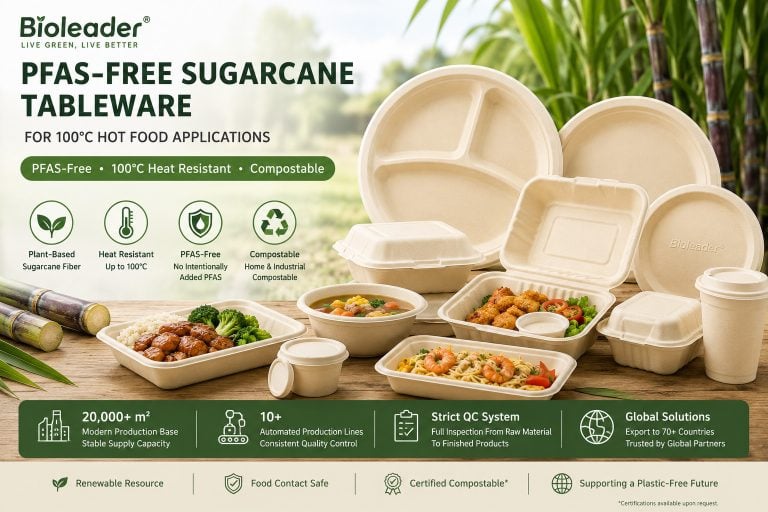
Strength &Durability: A variety of bagasse bowls have short life cycles owing to wear and tear that comes from a variety of food items, sugarcane bowls end that problem as they are extremely rigid. Leak Proof And Oil Resistant: Considering that they can handle soups and greasy foods, it is safe to say that these bowls can endure fast amounts of oil, soups, sauces, and any liquids. Microwave Safe: When you are out serving sugarcane bowls, there is no use to worry as they are microwave-safe. Key Features and Benefits of Paper Pulp Disposable Biodegradable bowls

Eco-Friendly, Compostable, and Biodegradable

Our molded pulp trays are fully compostable and biodegradable — Paper cup compliance EU. They naturally break down within a few months, supporting a circular economy and reducing landfill burden , Paper cup compliance EU. This makes our sugarcane pulp trays an excellent choice for eco-conscious consumers and businesses looking to adopt sustainable practices.

Key Benefits of Paper Pulp Molding Technology:

Strength and Durability: The pulp bowls are disposable, but it is incredibly tough and can serve a wide variety of foods without leakage or breakage. Leak-Proof and Water Resistant: The bowls will prove to be beneficial because it is leak-proof, which makes them perfect for wet items such as noodles, soups, and salads. Heat Resistant and Microwaveable: For people who enjoy using the package for their meals, these biodegradable disposable bowls are perfect as they can stand hot food items and are safe to use in microwaves. Key Features and Benefits of Paper Pulp Disposable Biodegradable Bowls — Paper cup compliance EU.

5.2 France – Regulatory Vigilance and Anti-Greenwashing

France has adopted an assertive stance on plastic reduction and sustainability claims. Enforcement of anti-greenwashing rules has increased scrutiny on environmental marketing statements, particularly those involving compostability or biodegradability. Although PLA cups remain legal, distributors report heightened documentation requirements in French tenders. Buyers request certification clarity and precise explanation of composting conditions.

5.1 The Netherlands – Reuse as a Policy Signal

Beginning in 2024, the Netherlands implemented measures restricting the free provision of single-use plastic cups for on-site consumption. Businesses must offer reusable alternatives or apply strict collection systems. The Dutch approach does not explicitly ban PLA-lined cups. However, because PLA is classified as plastic, it falls within these measures.

Related Insights

🚀Ready to Go Green and Choose ?

Join the global movement toward zero-waste packaging.


Bioleader® offers:

  • 📦 Bulk order support & fast delivery

  • ✍️ Custom branding and OEM solutions

  • 🌍 Worldwide eco-packaging compliance

Get the Catalogue Products List  & Contact Us Now! 👉

Contact us Below

Click or drag files to this area to upload.You can upload up to 5 files.
The more details you share, the faster and more accurate our quotation will be.