Guide To Paper Bowls Supplier: Materials, Standards & Best Practices | Bioleader® Insights
Actionable coverage of paper bowls supplier: eco-friendly, biodegradable, compostable materials, performance data, and compliance under EN13432 & ASTM D6400. Includes BPI/TÜV references and Food-Contact Tested guidance for safe deployment. Buyer-focused: manufacturer insights, bulk/wholesale buying playbooks, OEM/ODM customization tips, full size range selection.
FAQ of Bioleader's Eco-friendly Disposable Tableware
What are the benefits of individually wrapped plastic cutlery?
Individually wrapped plastic cutlery ensures high levels of hygiene, protects against contamination, and provides a convenient and sanitary solution for foodservice environments , paper bowls supplier.
Can environmentally friendly cutlery be customized for branding?
Absolutely. Many manufacturers offer customizable packaging and logo printing options, allowing businesses to enhance brand visibility and promote sustainability.
How do biodegradable spoons and forks help the environment?
Seen from a larger ecological perspective, biodegradable spoons and forks are assisting in the cutting of plastic waste and fostering sustainable consumption.
1.2 Kraft Paper
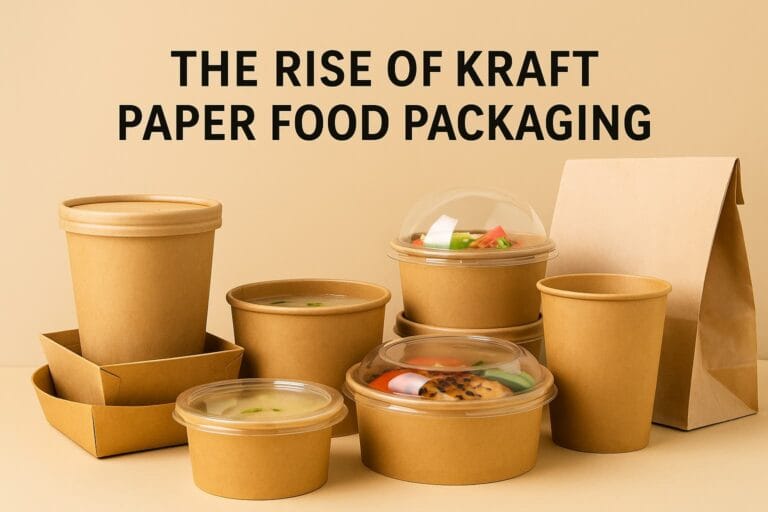
Kraft paper is made from unbleached wood pulp and is known for its strength and durability. It is typically used for takeout bowls containing heavier foods. Kraft paper bowls are often biodegradable and recyclable, though their environmental impact depends on the coating used. Pros: Durable and tear-resistant Often unbleached, making it more environmentally friendly than bleached alternatives Suitable for heavier, greasy foods Cons: Usually requires a plastic or wax coating to hold liquids Not always recyclable if the coating is non-compostable , paper bowls supplier.
2.1 Bagasse (Sugarcane Fiber)
Bagasse is the fibrous residue left after extracting juice from sugarcane. It is often molded into disposable bowls, plates, and containers. Bagasse bowls are compostable and biodegradable, making them an excellent choice for eco-conscious businesses , paper bowls supplier. Pros: Compostable and biodegradable Sturdy and resistant to leaks Microwave-safe and can withstand heat up to 220°F (104°C) Cons: Can become soft if exposed to liquids for extended periods Slightly more expensive than paper alternatives