Top Use Cases For Oven Safe Certification | Bioleader® Guides
Actionable coverage of Oven Safe Certification: eco-friendly, biodegradable, compostable materials, performance data, and compliance under EN13432 & ASTM D6400. Includes BPI/TÜV references and Food-Contact Tested guidance for safe deployment. Buyer-focused: manufacturer insights, bulk/wholesale buying playbooks, OEM/ODM customization tips, full size range selection.
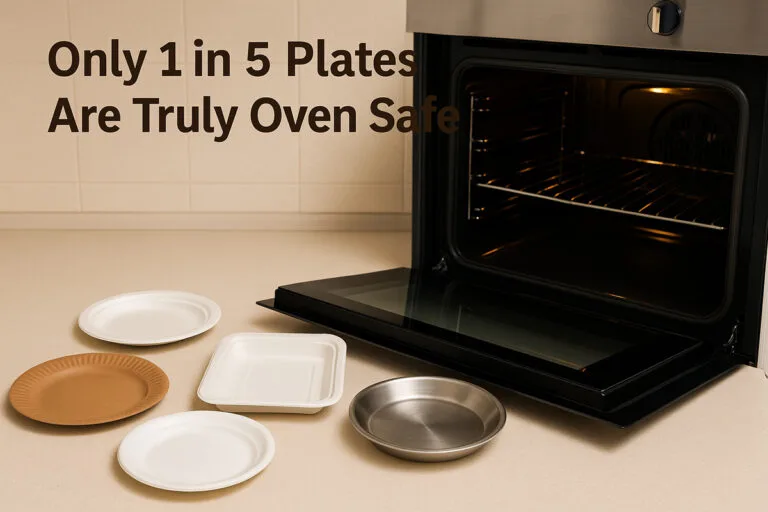
Have you ever experienced the frustration of cracking or shattering plates when placing them in the oven? Surprisingly, research indicates that only about 20% of plates labeled “oven safe” reliably withstand oven temperatures. If you frequently cook, bake, or warm dishes, using genuinely oven safe plates can significantly enhance your kitchen experience, ensuring both safety and durability. This article explores which plates truly pass the oven-safe test, highlights various plate materials, provides expert insights, scientific data, and practical case studies, and addresses common questions about oven-safe plates.
Oven Safe Certification — Quick Summary
Items displayed (articles): 12
Last updated: 2025-04-09
Includes test data, compliance guides, buyer FAQs, and real-world use cases.
FAQ of Bioleader's Eco-friendly Disposable Tableware
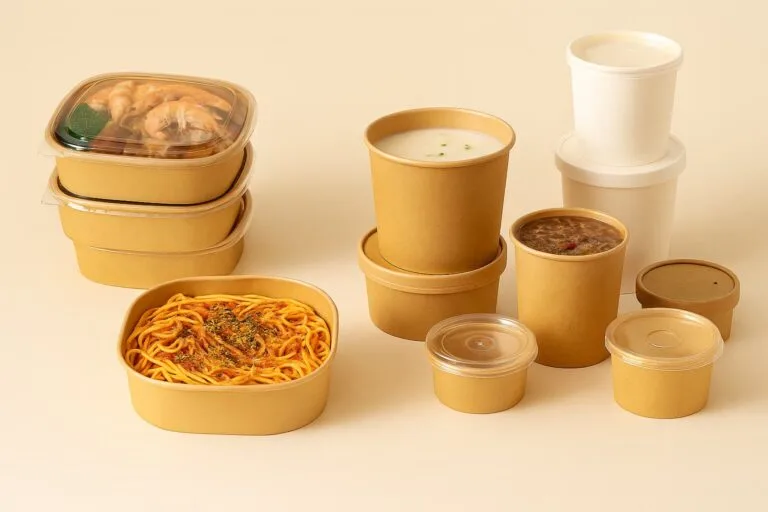
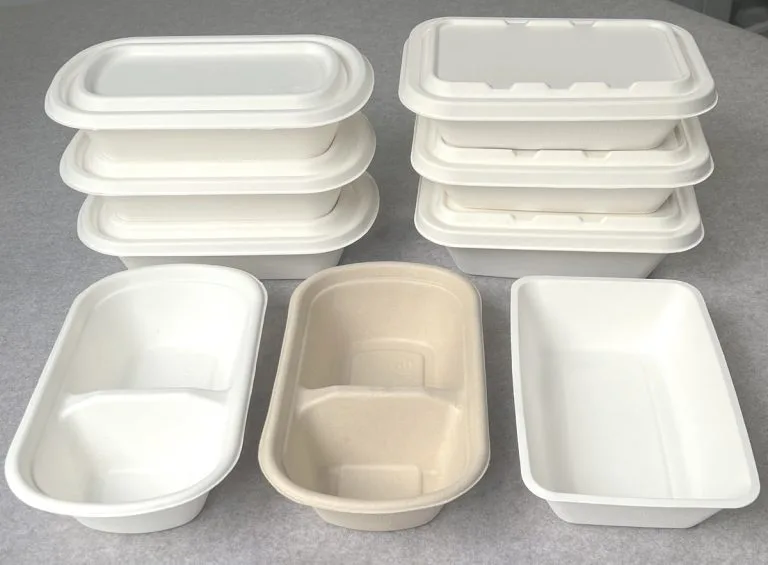
Are these bowls totally biodegradable?
Yes, unlike plastic, our compostable bowls are made of soluble material (biodegradable in this case includes kraft paper & white cardboard), which are not harmful and will degrade safely after they have been thrown away , Oven Safe Certification.
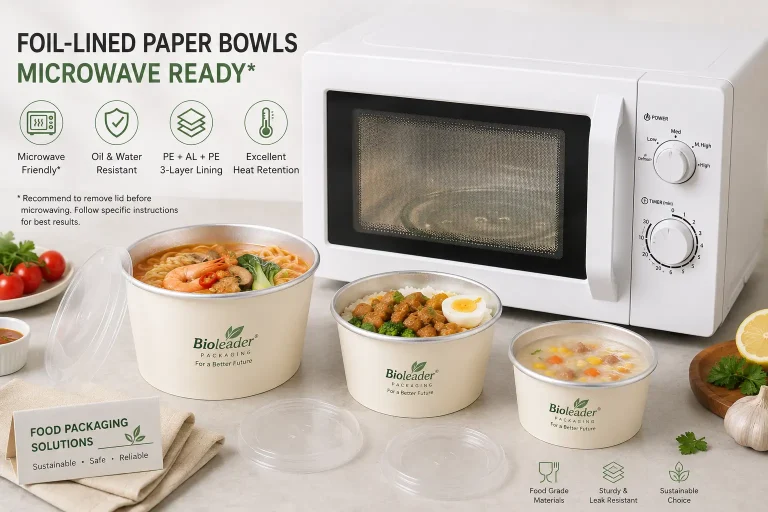
Are the bowls microwave- and freezer-safe?
Yes, our biodegradable bowls are both microwaveable and freezer-safe, maintaining their structure and food safety even under temperature variations.
Are these bowls suitable for serving hot foods?
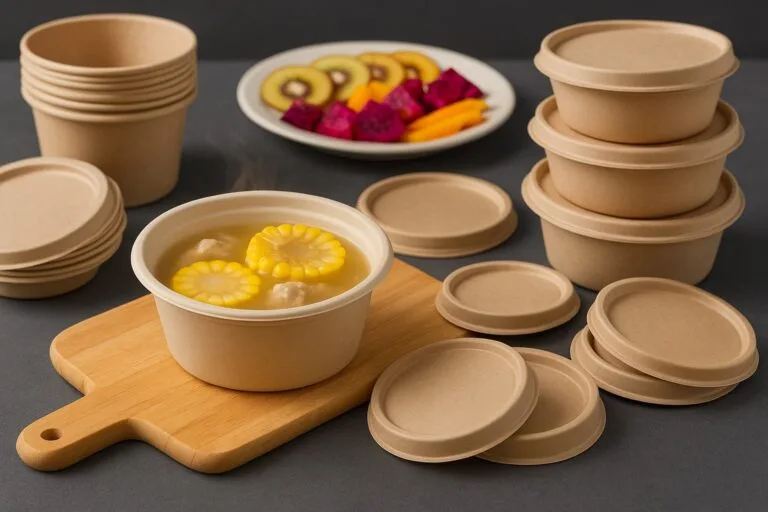
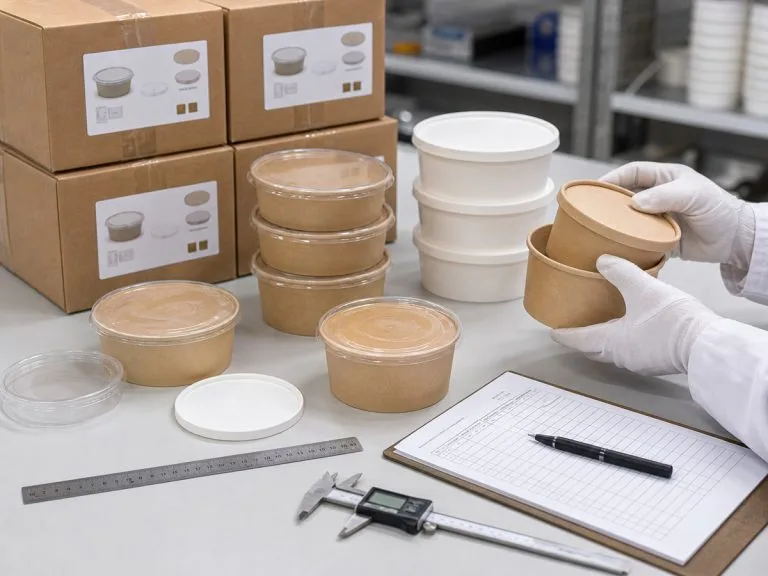
Certainly, our to go bowls with lids make it possible to serve hot foods such as soup, noodles, and stew without leaking or deforming.
Benefits of Oven Safe Plates:
Safe reheating and cooking practices Reduced risks of kitchen injuries Extended lifespan of dinnerware Improved presentation and dining experience oven safe plates 500 degrees Common Types of Plates and Their Oven Suitability When it comes to choosing oven-safe plates, understanding the material composition is critical. Many consumers mistakenly assume that all plates can withstand high temperatures, but only a few are truly oven-safe—especially at extreme temperatures like 500 degrees Fahrenheit. Below is a comprehensive breakdown of common plate types, their features, and their suitability for oven use — Oven Safe Certification.
2. Glass Plates (e.g., Pyrex)
Oven Safe: ✅ Only tempered glass Typical Safe Temperature: Up to 425–500°F Details: Brands like Pyrex make tempered glass that’s explicitly designed for oven use. However, not all glass is safe—check for the “oven safe” marking — Oven Safe Certification. Risk: Shattering due to rapid temperature changes or using non-tempered glass.