The 2025 Buyer’s Guide To Non Toxic Dinnerware Review | Bioleader® Insights
Actionable coverage of non toxic dinnerware review: eco-friendly, biodegradable, compostable materials, performance data, and compliance under EN13432 & ASTM D6400. Includes BPI/TÜV references and Food-Contact Tested guidance for safe deployment. Buyer-focused: manufacturer insights, bulk/wholesale buying playbooks, OEM/ODM customization tips, full size range selection.
non toxic dinnerware review — Quick Summary
Items displayed (articles): 12
Last updated: 2025-02-20
Includes test data, compliance guides, buyer FAQs, and real-world use cases.
FAQ of Bioleader's Eco-friendly Disposable Tableware
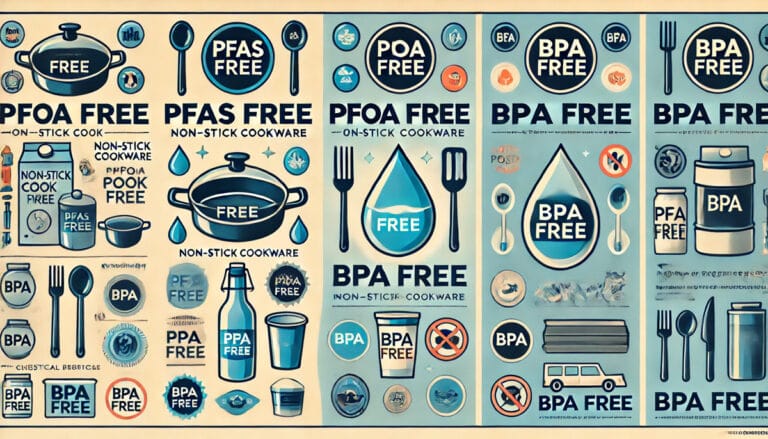
PFAS-Free and BPA-Free
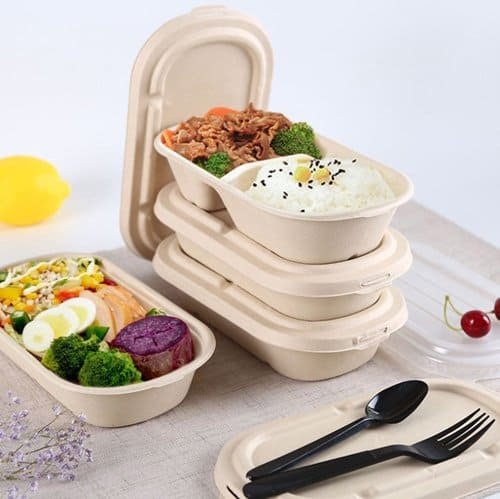
We prioritize safety by ensuring our molded pulp trays are PFAS-free and BPA-free. Unlike many traditional food packaging materials that contain harmful chemicals, our trays offer peace of mind and meet rigorous health and safety standards. This makes them a safer option for direct food contact.
Advantages Of Paper Pulp Moulding;
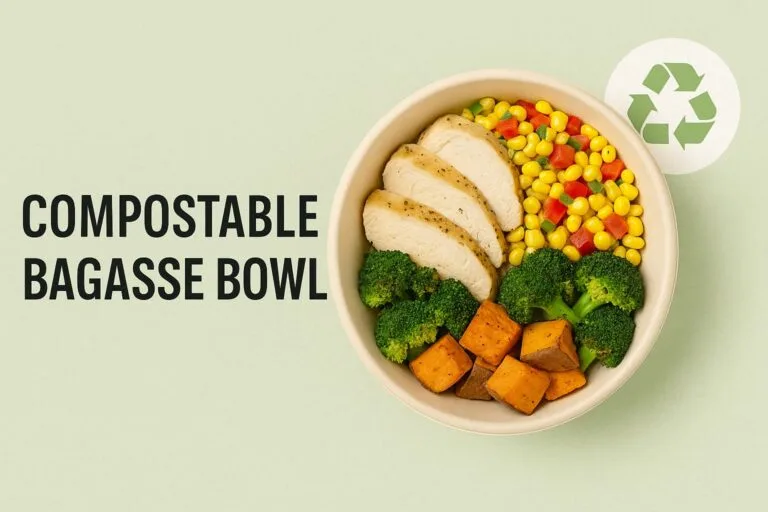
Strength &Durability: A variety of bagasse bowls have short life cycles owing to wear and tear that comes from a variety of food items, sugarcane bowls end that problem as they are extremely rigid — non toxic dinnerware review. Leak Proof And Oil Resistant: Considering that they can handle soups and greasy foods, it is safe to say that these bowls can endure fast amounts of oil, soups, sauces, and any liquids. Microwave Safe: When you are out serving sugarcane bowls, there is no use to worry as they are microwave-safe. Key Features and Benefits of Paper Pulp Disposable Biodegradable bowls
Why Choose Sugarcane Bagasse?
Renewable Resource: Since sugarcane is harvested and grown repeatedly, the containers become eco-friendly, and more products can be produced using bagasse fiber. This approach in a holistic way starts reducing waste entirely , non toxic dinnerware review. Decomposable & Environment Friendly: Because of the usage of bagasse containers eliminate the need for plastic and styrofoam bowls. This approach further helps eliminate waste from dumping/filling grounds and further helps the environment while everything decomposes into compost materials.
How do I properly dispose of non-toxic dinnerware?
The disposal method depends on the material. Biodegradable dinnerware can be composted in industrial composting facilities, while ceramic and porcelain products can be recycled if they are free from toxic glazes. Always check the manufacturer’s guidelines for the best disposal practices — non toxic dinnerware review.
What are the health risks associated with using toxic dinnerware?
Using toxic dinnerware can lead to the ingestion of harmful chemicals like lead and cadmium, which can accumulate in the body over time. Long-term exposure may result in chronic health issues such as developmental delays in children, hormonal imbalances, and increased risk of certain cancers.