FAQ of Bioleader's Eco-friendly Disposable Tableware
How long do biodegradable plastic forks and spoons take to decompose?
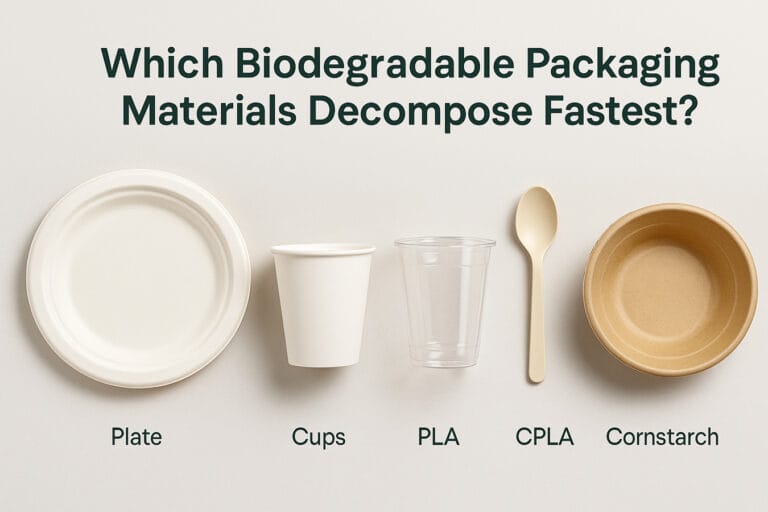
The decomposition time varies, but most biodegradable plastic cutlery will break down within 3 to 6 months in commercial composting facilities.
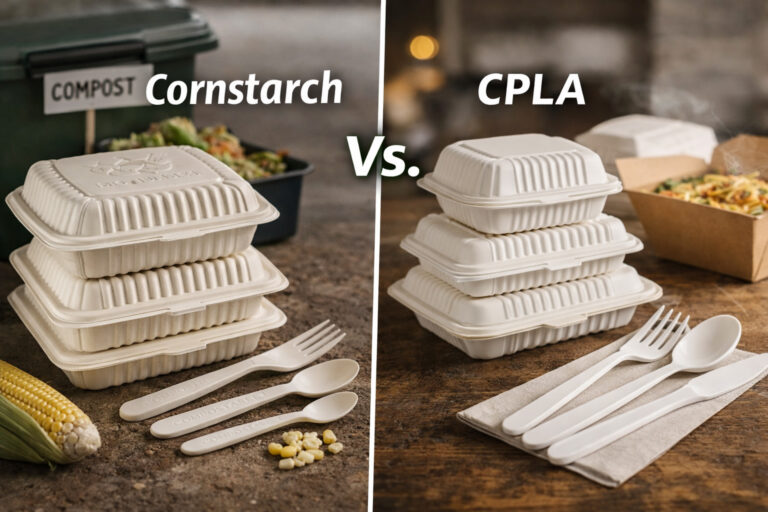
1. Bioleader® CPLA Fork Spoon Knife—(7 inch): Embossed “Compostable” Logo
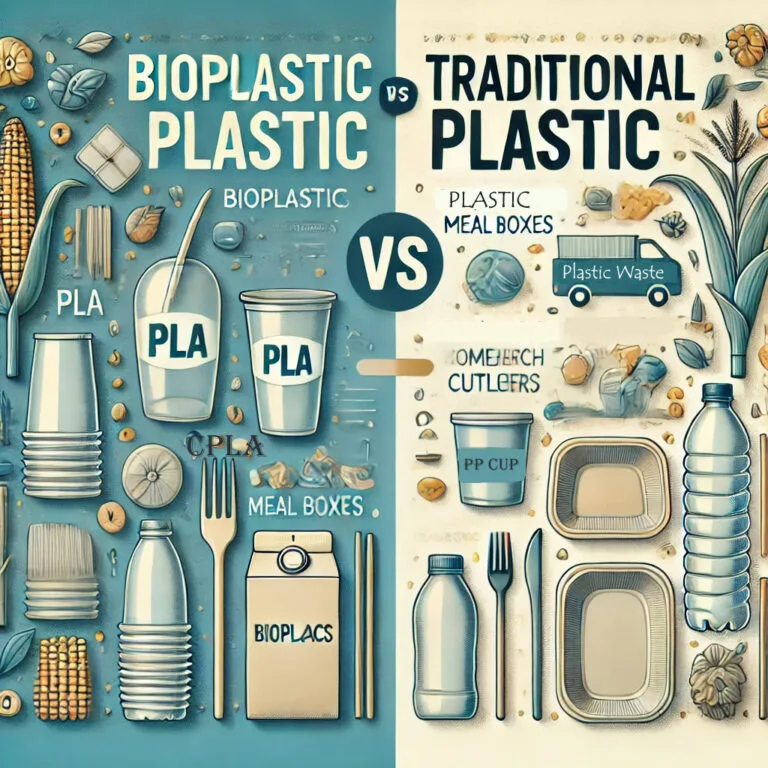
Item Name / Material Weight Size(mm) PCS/CTN Carton Size(cm) CPLA-02 CPLA Fork 4.8g 7inch/ 170mm 1000 44 18 23.5 CPLA-03 CPLA Spoon 4.9g 7inch/ 170mm 1000 34.5 19 19 CPLA-01 CPLA Knife 5g 7inch/ 180mm 1000 47.5 18 22.5 About CPLA : CPLA (Crystallized Polylactic Acid) represents a derivative of PLA (Polylactic Acid), of which bioplastics can be obtained from easily renewable resources like corn starch or sugarcane. Due to the crystallization process in CPLA, the material’s toughness and heat resistance are increased, allowing this bioplastic to be used for high-temperature applications such as cutlery; otherwise, the regular PLA would soften or deform. Biodegradable and Compostable BPI Certified Eco-Friendly CPLA Utensils : CPLA cutlery is made from plant-based resources like corn starch, BPI-certified 100% industrial-compostable in 90 days, and can break down entirely in industrial composting facilities. Each of our Non-plastic fork, spoon, and knife has “compostable” embossed on it , non-biodegradable materials.
Is individually wrapped cutlery suitable for outdoor events and travel?
Absolutely. The individual packaging keeps the cutlery clean and ready to use, making it ideal for outdoor parties, picnics, travel, and catering services.
Biodegradation Process
Biodeterioration: Initiated by environmental elements like ultraviolet radiation, moisture, and physical abrasion, breaking down material integrity — non-biodegradable materials. Biofragmentation: Microorganisms secrete enzymes, fragmenting complex materials into smaller, simpler molecules. Assimilation: Microbes uptake these fragmented molecules for energy and growth — non-biodegradable materials. Mineralization: Final transformation into fundamental natural elements like carbon dioxide and water.
Common Non-Biodegradable Materials
Plastics: Petroleum-based plastics persist for centuries, fragmenting into microplastics. Metals: Metals like aluminum and steel corrode slowly but do not biodegrade. Glass: Chemically inert, glass remains intact for thousands of years without degradation. Synthetic Fibers: Polyester, nylon, and acrylic remain indefinitely in ecosystems.