Top Use Cases For Natural Food Containers | Bioleader® Sustainable Packaging

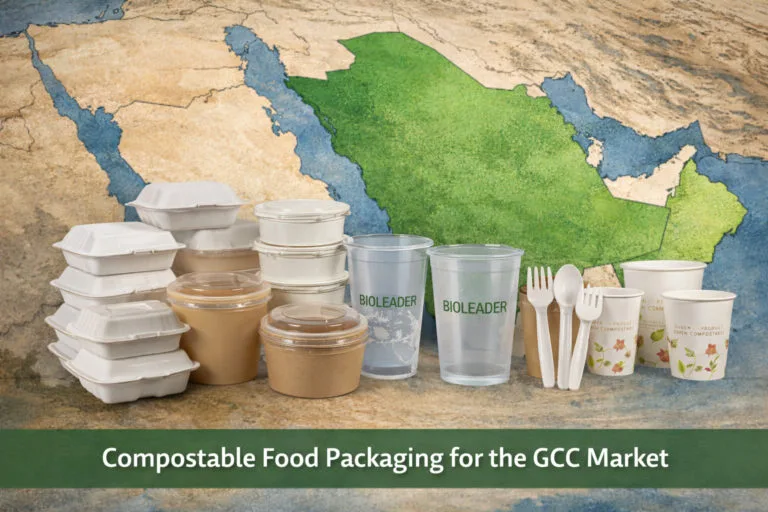
Actionable coverage of Natural Food Containers: eco-friendly, biodegradable, compostable materials, performance data, and compliance under EN13432 & ASTM D6400. Includes BPI/TÜV references and Food-Contact Tested guidance for safe deployment. Buyer-focused: manufacturer insights, bulk/wholesale buying playbooks, OEM/ODM customization tips, full size range selection.
Natural Food Containers — Quick Summary
  • Items displayed (articles): 12
  • Last updated: 2025-01-25
  • Includes test data, compliance guides, buyer FAQs, and real-world use cases.

Editor’s Picks: Top Natural Food Containers Guides 2026

FAQ of Bioleader's Eco-friendly Disposable Tableware

Environment-Friendly Sustainability

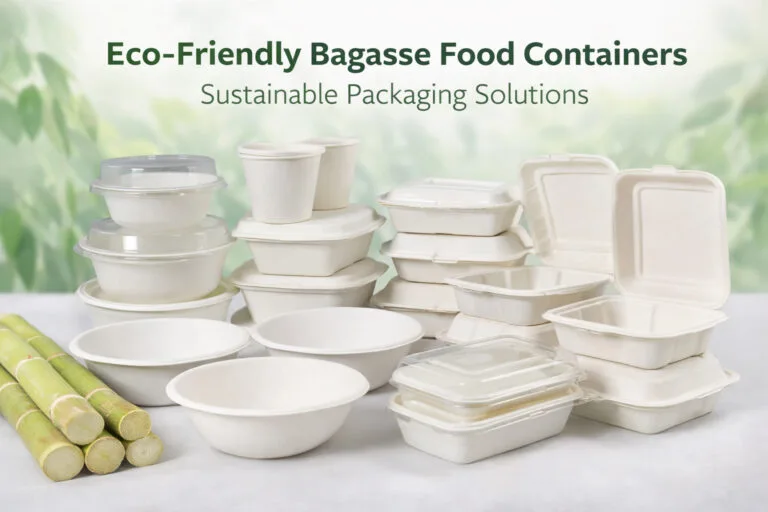
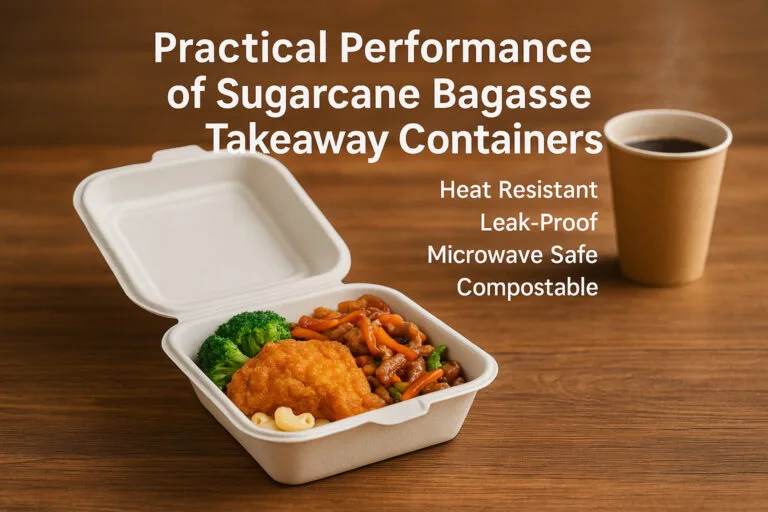
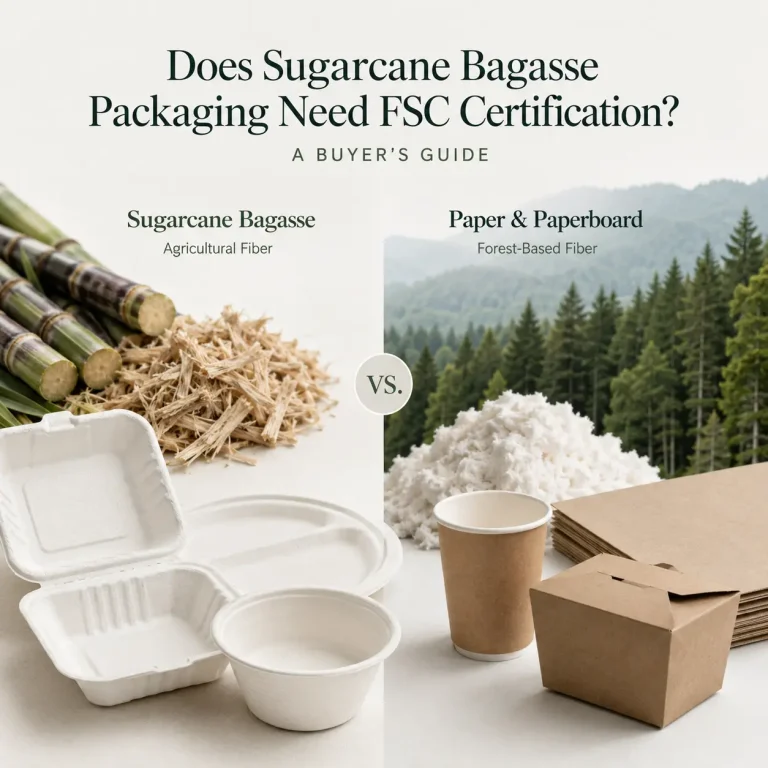
Our bagasse trays are eco-friendly. They are compostable and biodegradable and do not leave any harmful traces after they disintegrate with time. Any food franchise or other businesses that would use the product would be using our takeaway trays with lids would be able to cut down on landfill waste.

Durable and Reliable Performance

Unlike many disposable options, our sugarcane food trays are built to last throughout their intended use. Whether exposed to heat, moisture, or refrigeration, they maintain their structure and performance. This durability makes them a reliable choice for any business requiring high-quality, dependable food packaging — Natural Food Containers. Multiple Uses and Applications The bagasse will save you money and the environment.

Institutional Foodservice

Schools, offices, hospitals, and canteens can use this bagasse tray for everyday meal distribution. It combines convenience, disposable efficiency, and better environmental positioning.

What happens if you accidentally ingest sugarcane bagasse?

Ingesting small amounts is generally harmless but may cause minor digestive discomfort due to its high fiber content and indigestibility — Natural Food Containers.

Is sugarcane bagasse edible?

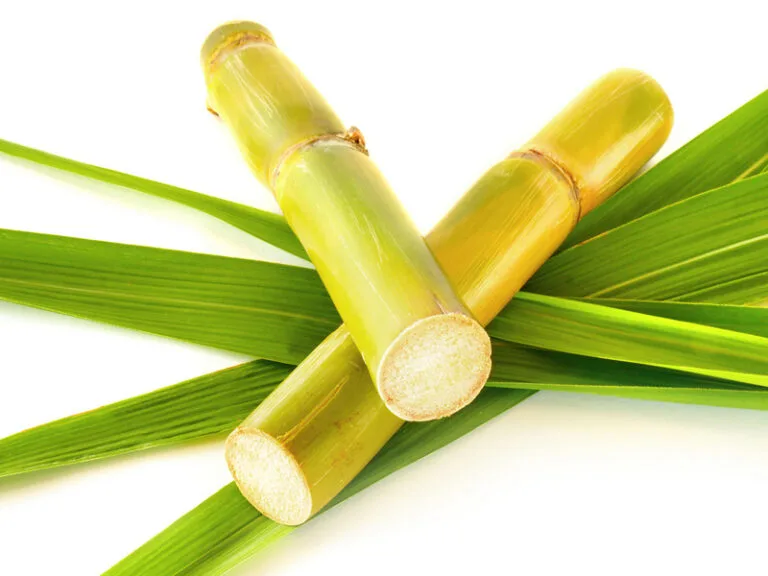
No, sugarcane bagasse is not meant to be eaten. It is the fibrous residue left after extracting juice from sugarcane and is typically used in packaging or fuel , Natural Food Containers.

Related Insights

🚀Ready to Go Green and Choose ?

Join the global movement toward zero-waste packaging.


Bioleader® offers:

  • 📦 Bulk order support & fast delivery

  • ✍️ Custom branding and OEM solutions

  • 🌍 Worldwide eco-packaging compliance

Get the Catalogue Products List  & Contact Us Now! 👉

Contact us Below

Click or drag files to this area to upload.You can upload up to 5 files.
The more details you share, the faster and more accurate our quotation will be.