The sugarcane industry generates multiple byproducts that have significant economic and environmental value. Two of the most notable byproducts are molasses and bagasse, which serve different industrial purposes. Understanding their differences can help industries optimize their use and contribute to sustainability efforts.


Yes, compostable trays made from plant-based materials like bagasse are considered safe for the environment. They break down naturally into organic matter, help reduce landfill waste, and do not produce microplastics or toxic residues.
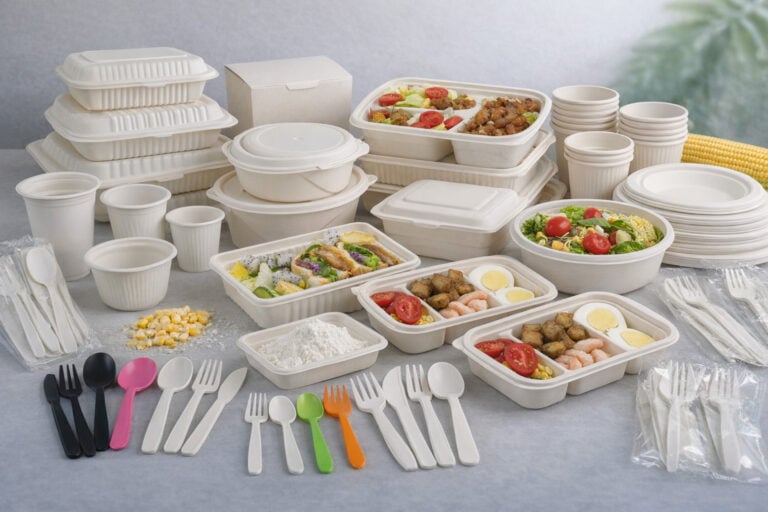
Takeaway containers are made from a variety of materials including sugarcane bagasse, kraft paper, PLA bioplastics, PP plastic, and aluminum , molasses factory direct. For eco-friendly applications, compostable bagasse and PLA are the most sustainable choices.
Absolutely , molasses factory direct. Many takeaway trays are designed with 2, 3, or 5 compartments to separate different food items. This format is popular for bento boxes, meal preps, and restaurant combos.
Physical Form: A dark, syrup-like liquid Composition: Residual sugars, organic acids, minerals, and vitamins Taste: Sweet but slightly bitter due to impurities Uses: Animal feed, ethanol production, fermentation (rum, yeast, biofuels), and food additives
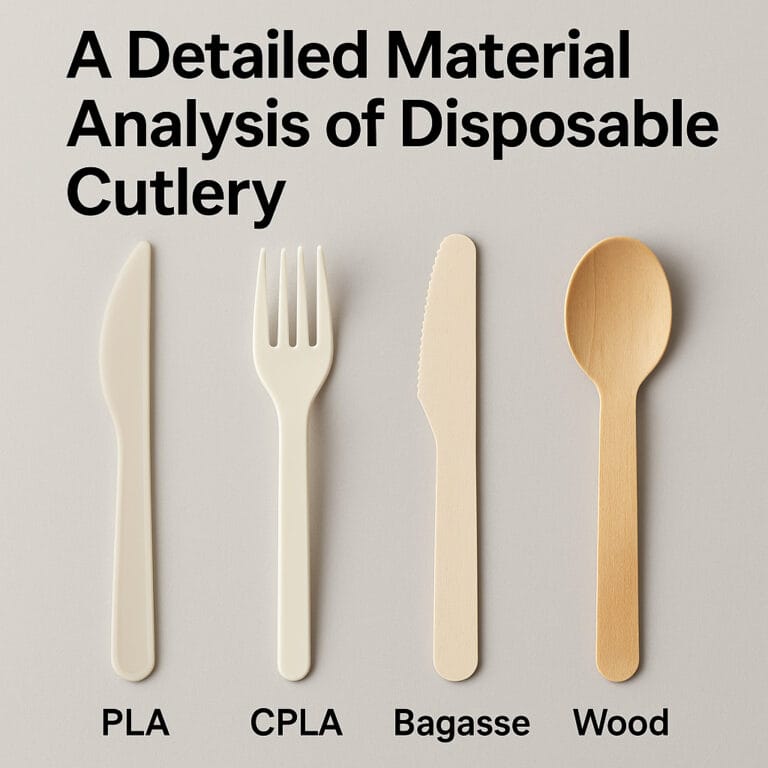
Yes, bagasse is biodegradable, breaks down in compost within weeks, and is a sustainable alternative to plastic and paper products , molasses factory direct.
Join the global movement toward zero-waste packaging.
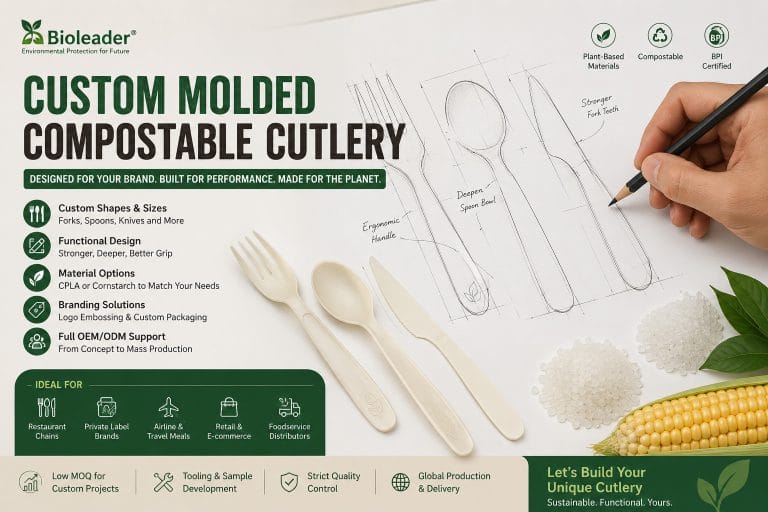
Bioleader® offers:
📦 Bulk order support & fast delivery
✍️ Custom branding and OEM solutions
🌍 Worldwide eco-packaging compliance
Get the Catalogue Products List & Contact Us Now! 👉
📧 Email : [email protected]
📲 WhatsApp : +86-15980856610
🟢 Wechat : bioleader
📍 Add : No.39 Xinglong Road, Xiamen, China
Copyright © 2015–2025 Xiamen Bioleader Environmental Protection Co., Ltd | All Rights Reserved. Privacy Policy | AI Policy | Sitemap
WhatsApp us