FAQ of Bioleader's Eco-friendly Disposable Tableware
What are Earth Friendly Utensils Disposable Cutlery made from?
Earth Friendly Utensils Disposable Cutlery is made from renewable plant-based materials like cornstarch or PLA, making them biodegradable and compostable.
How do biodegradable spoons and forks help the environment?
Seen from a larger ecological perspective, biodegradable spoons and forks are assisting in the cutting of plastic waste and fostering sustainable consumption — microwave-safe disposable bowls.
What is bio plastic cutlery made from?
Bio plastic cutlery is typically made from renewable plant-based materials such as cornstarch, PLA, or sugarcane, making it biodegradable and compostable.
1.1 Standard Paper
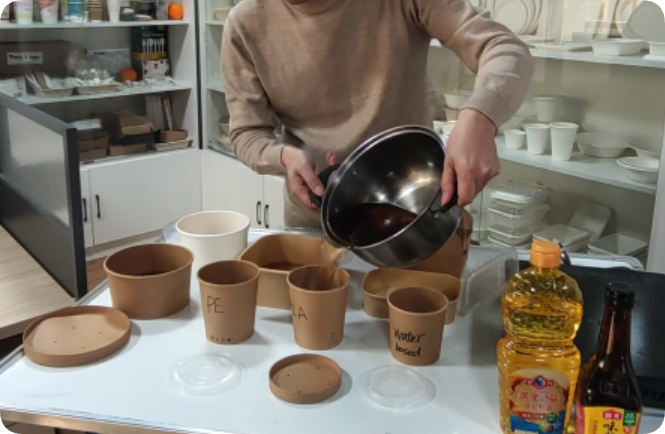
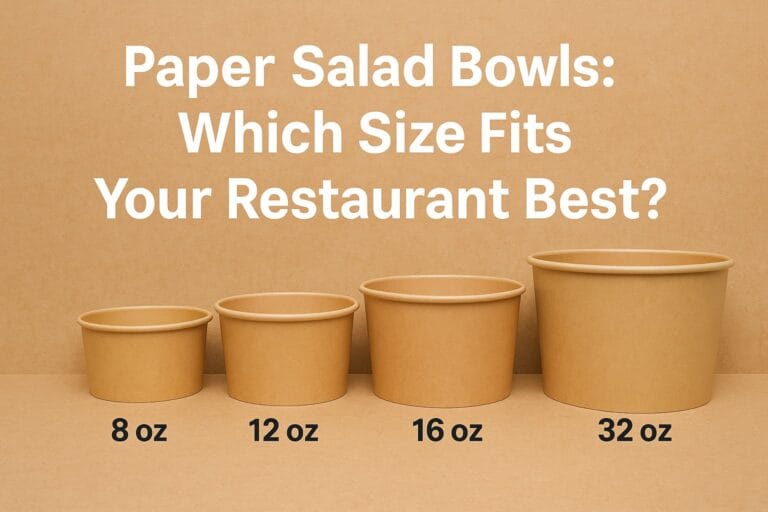
Standard paper bowls are typically coated to make them moisture-resistant, allowing them to hold hot or wet foods like soup or chili. However, the lining used for moisture resistance often contains plastic, which can make these bowls non-compostable. While the paper itself is biodegradable, the plastic lining complicates recycling and composting. Pros: Inexpensive and widely available Lightweight Customizable with printing for branding purposes Cons: Plastic coating makes them non-compostable Limited durability under heat or moisture if the lining is thin — microwave-safe disposable bowls.
2.1 Bagasse (Sugarcane Fiber)
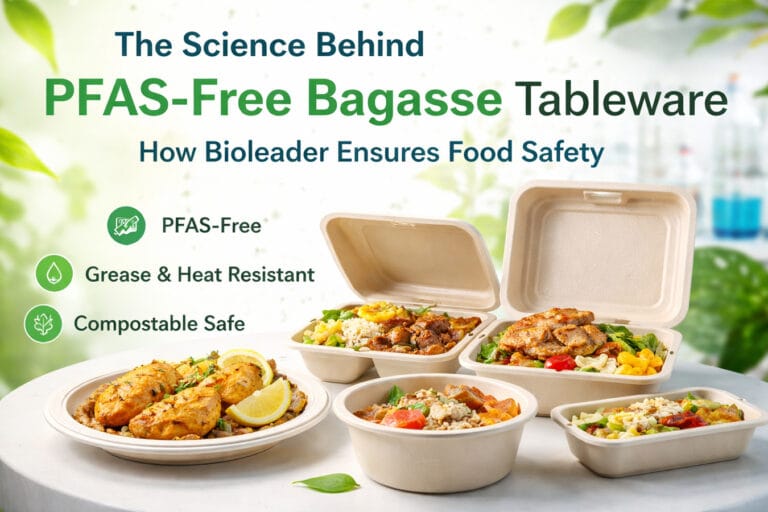
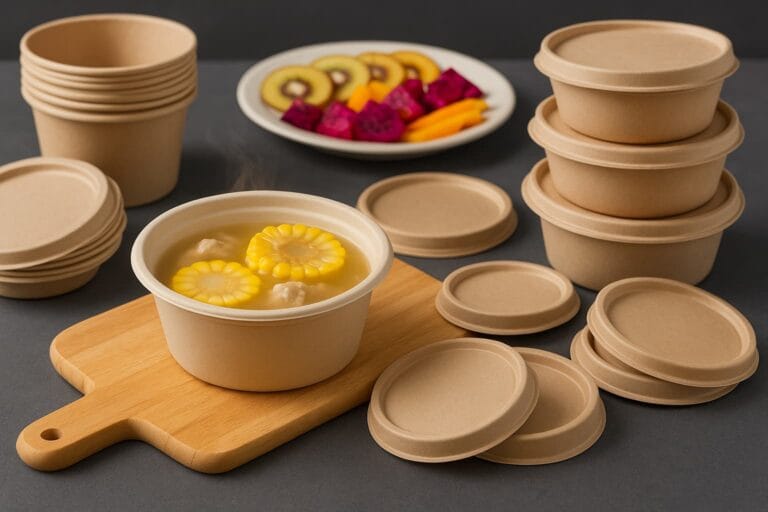
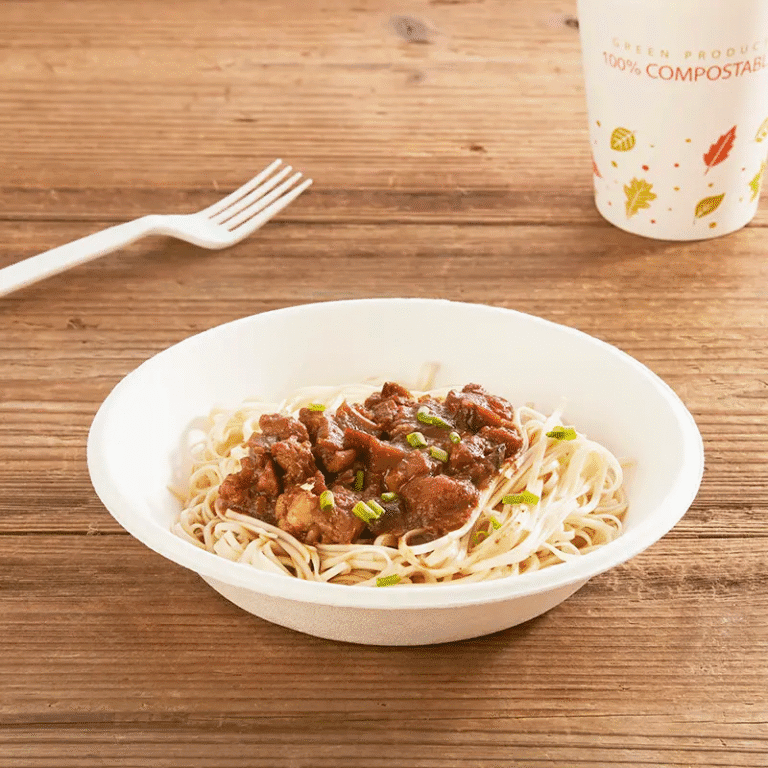
Bagasse is the fibrous residue left after extracting juice from sugarcane. It is often molded into disposable bowls, plates, and containers. Bagasse bowls are compostable and biodegradable, making them an excellent choice for eco-conscious businesses , microwave-safe disposable bowls. Pros: Compostable and biodegradable Sturdy and resistant to leaks Microwave-safe and can withstand heat up to 220°F (104°C) Cons: Can become soft if exposed to liquids for extended periods Slightly more expensive than paper alternatives