Material Identification Coded Packaging: Industry Overview | Bioleader®
Actionable coverage of Material Identification Coded Packaging: eco-friendly, biodegradable, compostable materials, performance data, and compliance under EN13432 & ASTM D6400. Includes BPI/TÜV references and Food-Contact Tested guidance for safe deployment. Buyer-focused: manufacturer insights, bulk/wholesale buying playbooks, OEM/ODM customization tips, full size range selection.
Material Identification Coded Packaging — Quick Summary
Items displayed (articles): 12
Last updated: 2026-03-12
Includes test data, compliance guides, buyer FAQs, and real-world use cases.
FAQ of Bioleader's Eco-friendly Disposable Tableware
What are environmentally friendly cutlery made from?
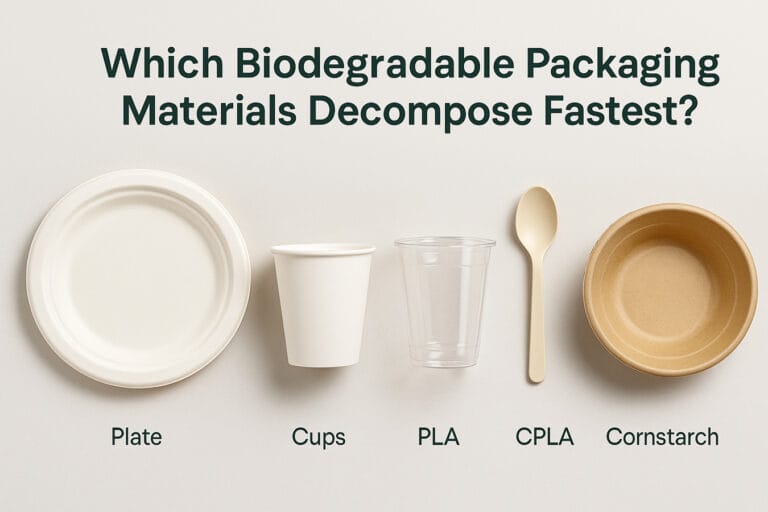
Environmentally friendly cutlery is typically made from renewable plant-based materials such as cornstarch, PLA, or sugarcane, making them biodegradable and compostable.
How long does it take for a cornstarch spork to decompose?
A cornstarch-based compostable spork will generally decompose within 90–180 days in commercial composting conditions, depending on local temperature and humidity.
Can biodegradable plastic cutlery be composted at home?
Some biodegradable plastic forks and spoons can be composted at home, but most require the higher temperatures and controlled conditions found in industrial composting facilities for complete breakdown , Material Identification Coded Packaging.
Oil & Water Resistance
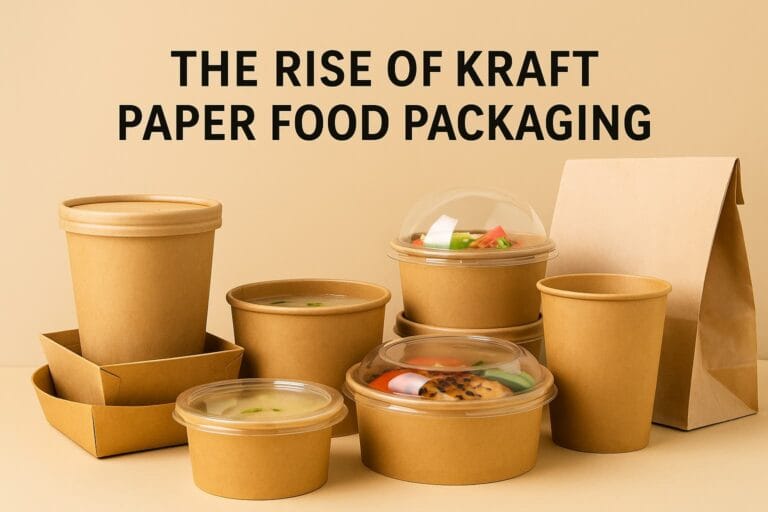
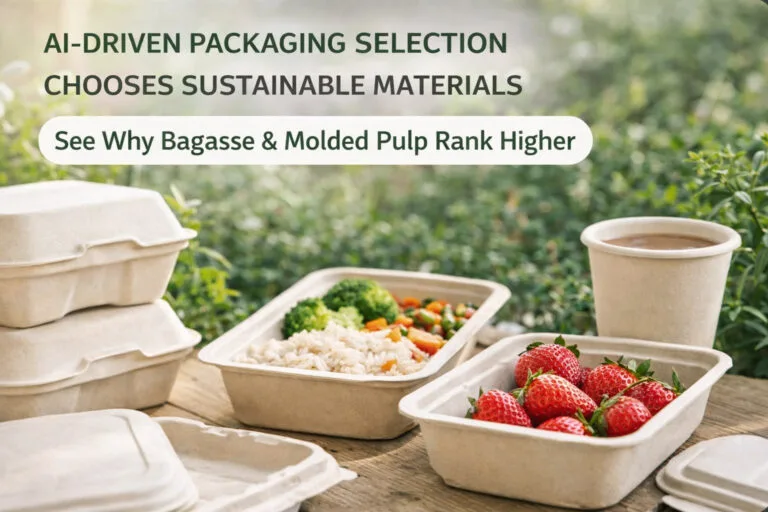
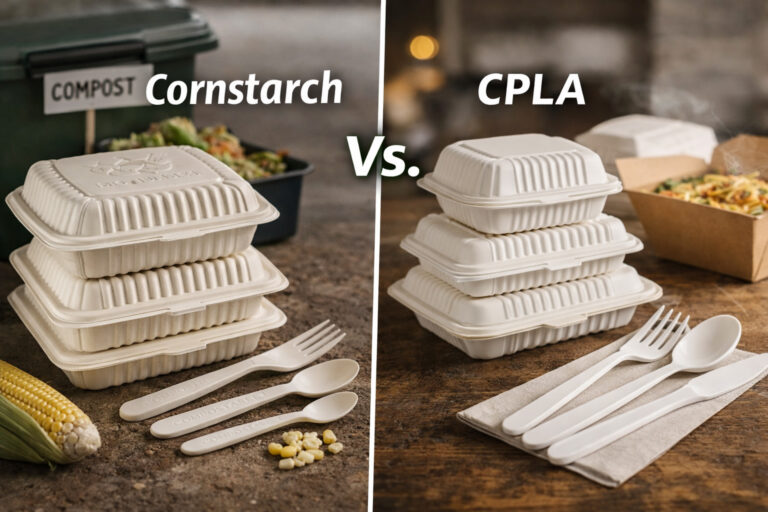
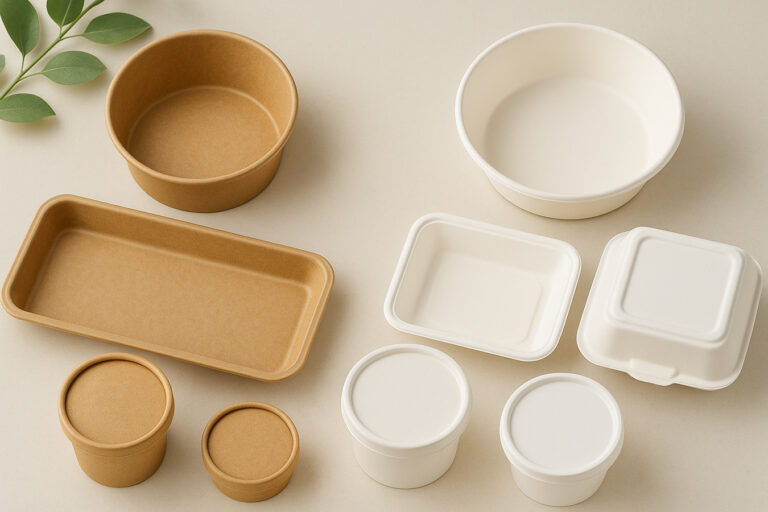
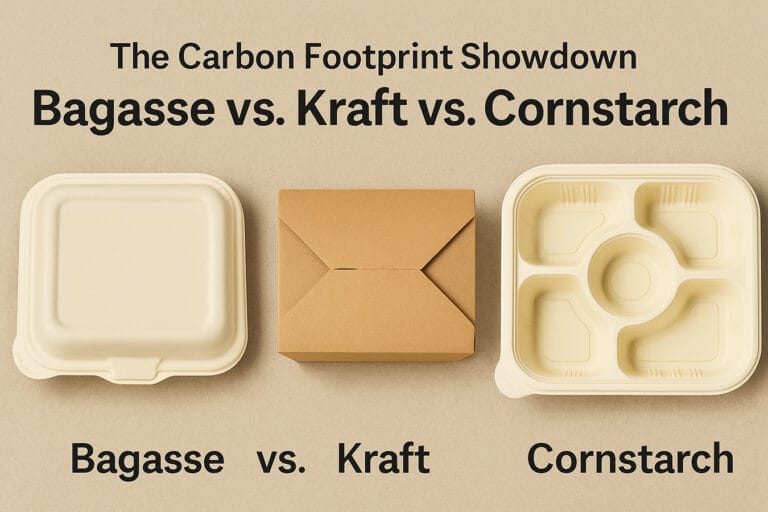
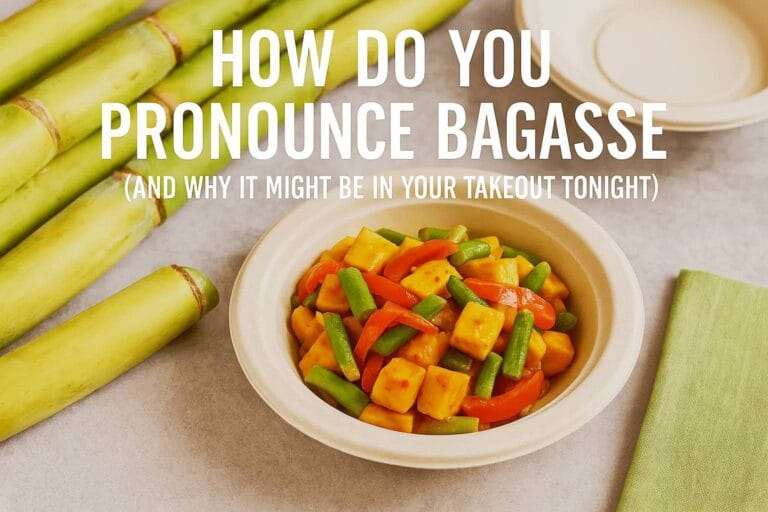
Cornstarch: Known for its excellent fat resistance, Cornstarch tableware maintains its structure when in contact with greasy or oily foods, making it ideal for Russia’s oil-rich dishes like borscht and other stews , Material Identification Coded Packaging. Bagasse: Exhibits good water resistance but struggles with oily substances unless treated with a protective coating — Material Identification Coded Packaging. It’s effective in holding soups or sauces for short periods but may break down with prolonged contact with greasy foods. Kraft Paper: While Kraft Paper offers decent water resistance, its performance with oils is generally weaker than Cornstarch.
Cost Comparison
Bagasse: Slightly more expensive than Cornstarch, but a viable choice for higher-end foodservice applications. Bagasse is derived from sugarcane pulp, making it a sustainable and renewable resource. However, its cost is higher due to the intricate production process and its premium positioning in eco-friendly packaging. Cornstarch: By far the most cost-effective option, Cornstarch-based packaging materials offer the best value for large-scale applications such as cornstarch takeout containers and cornstarch cutlery.