Latest News: Features & Strengths | Bioleader®

Actionable coverage of Latest news: eco-friendly, biodegradable, compostable materials, performance data, and compliance under EN13432 & ASTM D6400. Includes BPI/TÜV references and Food-Contact Tested guidance for safe deployment. Buyer-focused: manufacturer insights, bulk/wholesale buying playbooks, OEM/ODM customization tips, full size range selection.

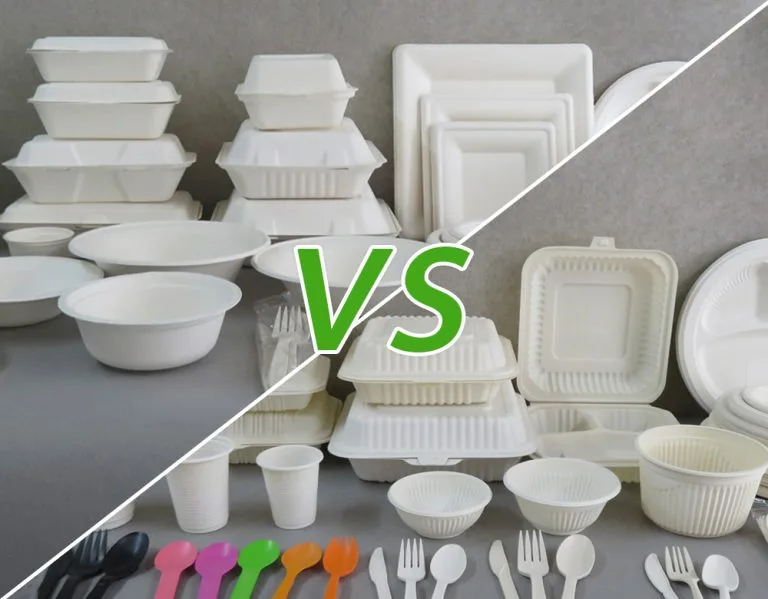
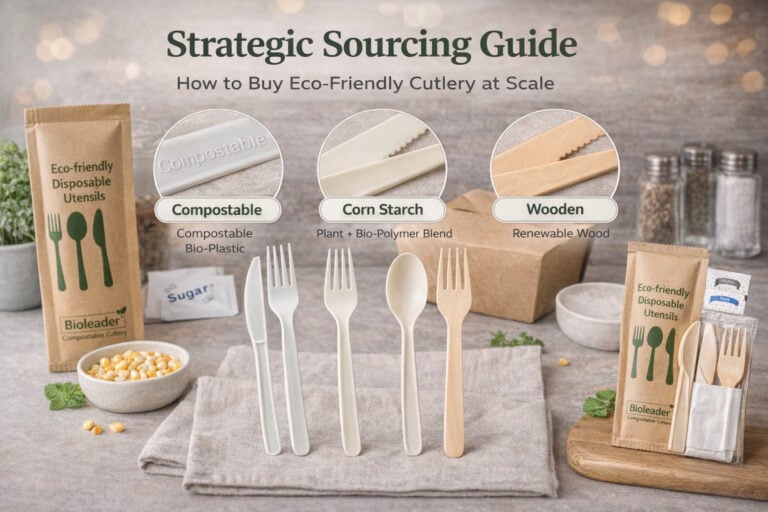
Cornstarch and sugarcane pulp tableware is easy to employ materials and can be used as a replacement for plastic while being biodegradable. With cornstarch and sugarcane pulp being widely adopted as soon as it provide a sustainable alternative to plastic which is neutral to the earth.

Latest news — Quick Summary
  • Items displayed (articles): 12
  • Last updated: 2024-10-28
  • Includes test data, compliance guides, buyer FAQs, and real-world use cases.

Editor’s Picks: Top Latest News Guides 2026

FAQ of Bioleader's Eco-friendly Disposable Tableware

Do the containers comply with environmentally friendly customs?

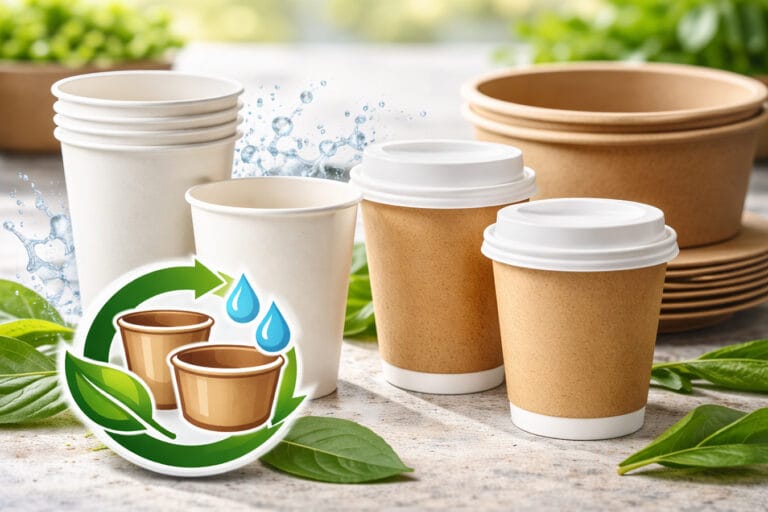
Yes, our to go salad bowls are eco friendly because it is made of biodegradable materials such as kraft paper and white paper card board which is better than plastic.

Can they be used for hot food?

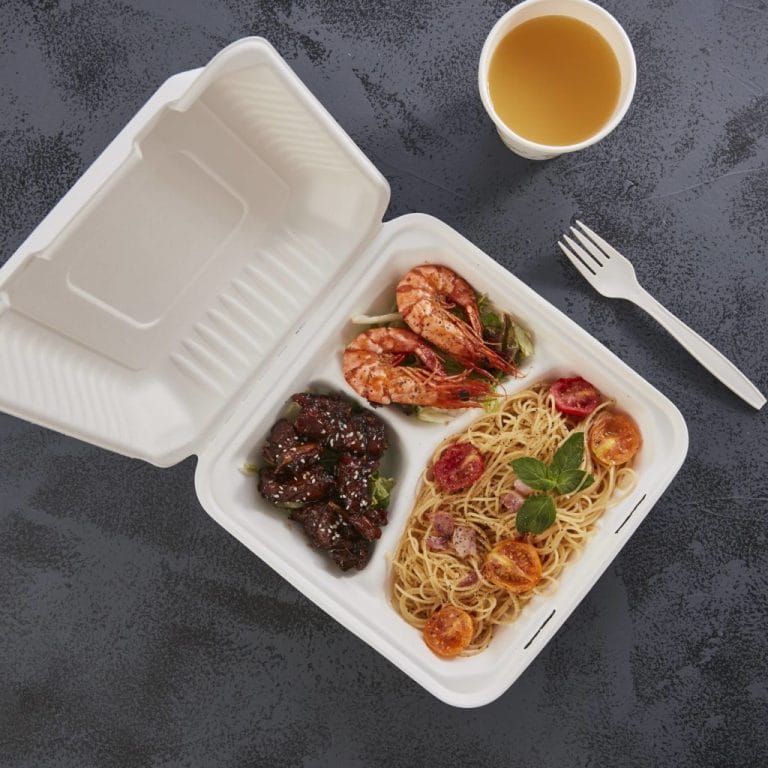
Absolutely. These bowl compostable containers are made in a way that even hot dishes can be served in them…

Material: Kraft Paper and White Cardboard Paper

Our eco-friendly disposable bowls contain primarily 2 materials that are used to make the bowls that are kraft paper and white cardboard paper. Both of the materials are durable and environmentally friendly — Latest news. Kraft paper has a coarse natural appearance while white cardboard paper has a smooth, sleek surface. All of these materials are biodegradable which ensures compliance with the highest environmental requirements in product manufacture — Latest news.

Is sugarcane bagasse tableware biodegradable? What is the degradation method and process like? How long does it take to degrade?

Yes, sugarcane bagasse tableware is biodegradable , Latest news. Here’s an overview of its degradation method, process, and timeline: Biodegradation: This is the explanation of the life cycle of disposal of tableware made from sugarcane bagasse, whereby after some time the tableware is consumed by the microorganisms and hence the material is broken into simple compounds. Degradation Process: The phase commences when the tableware is thrown into the compost pit. There are also microorganisms, heat, oxygen, and moisture which cause the bagasse to decompose.

Are cornstarch and sugarcane pulp tableware microwave-safe?

Sugarcane pulp tableware is microwave-safe and can withstand high temperatures, making it suitable for hot foods. Cornstarch-based PLA tableware, however, has a lower heat resistance and is generally not recommended for microwave use, as it may deform or release substances when heated.

Related Insights

🚀Ready to Go Green and Choose ?

Join the global movement toward zero-waste packaging.


Bioleader® offers:

  • 📦 Bulk order support & fast delivery

  • ✍️ Custom branding and OEM solutions

  • 🌍 Worldwide eco-packaging compliance

Get the Catalogue Products List  & Contact Us Now! 👉

Contact us Below

Click or drag files to this area to upload.You can upload up to 5 files.
The more details you share, the faster and more accurate our quotation will be.