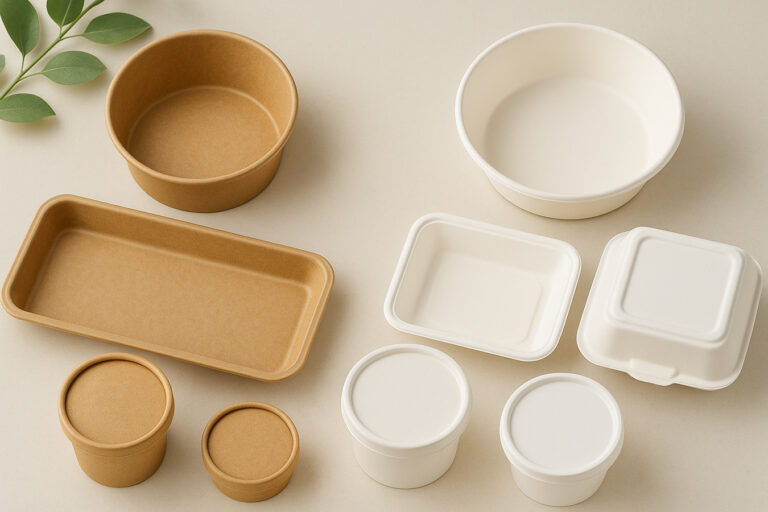
FAQ of Bioleader's Eco-friendly Disposable Tableware
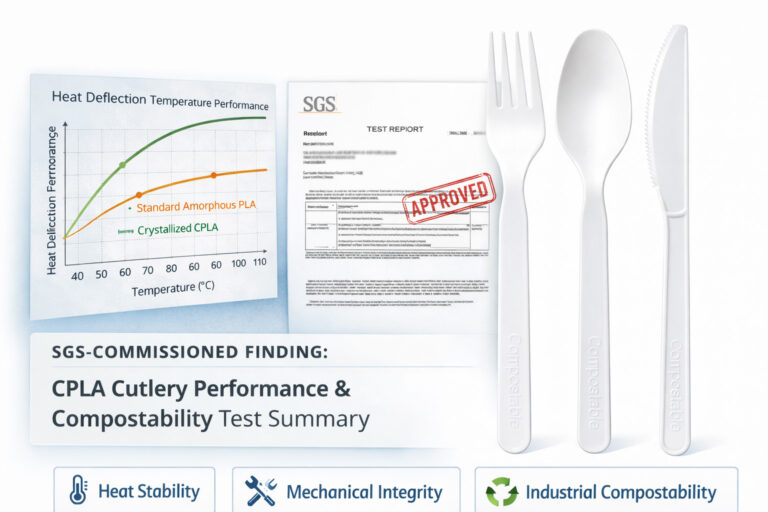
Is bio plastic cutlery safe for hot foods?
Yes, bio plastic cutlery is designed to be heat-resistant and durable, making it suitable for use with both hot and cold foods in various dining environments — industrial compost.
Can individually wrapped plastic cutlery be customized?
Yes, many manufacturers offer custom wrapping designs and logo printing, helping businesses enhance their branding and provide a professional image to customers.
Why should businesses switch to bio plastic cutlery?
Switching to bio plastic cutlery helps reduce plastic waste, supports sustainability initiatives, meets consumer demand for eco-friendly products, and enhances brand reputation , industrial compost.
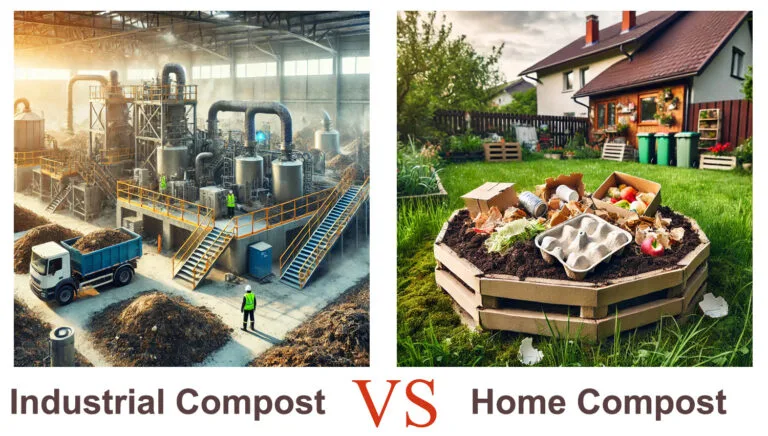
Comparison Table: Industrial vs. Home Composting
Feature Industrial Composting Home Composting Eco-Friendliness High, as it diverts large amounts of waste from landfills High, but limited to household waste Convenience Requires access to commercial composting facilities Can be done at home with a compost bin 100% Biodegradable Yes, in optimal conditions Yes, for natural materials Decomposition Time Few weeks to months Several months to a year Decomposition Conditions High temperature, moisture, aeration Lower temperature, natural breakdown How to Identify If a Product Is Compostable? Identifying compostable products is essential to ensuring they break down as intended. Here are key indicators:
How Industrial Composting Works
Collection & Sorting: Organic waste and compostable materials are collected and sorted to remove contaminants. Shredding & Mixing: Materials are shredded to increase surface area, ensuring faster breakdown. Composting Phase: The mixture is placed in windrows, aerated piles, or in-vessel systems where temperature, moisture, and oxygen are regulated — industrial compost. Maturation: After several weeks or months, the compost stabilizes and becomes a nutrient-rich soil conditioner.