High Quality Bioplastic Compliance Checklist | Bioleader® Sustainable Packaging
Actionable coverage of high quality bioplastic: eco-friendly, biodegradable, compostable materials, performance data, and compliance under EN13432 & ASTM D6400. Includes BPI/TÜV references and Food-Contact Tested guidance for safe deployment. Buyer-focused: manufacturer insights, bulk/wholesale buying playbooks, OEM/ODM customization tips, full size range selection.
high quality bioplastic — Quick Summary
Items displayed (articles): 12
Last updated: 2025-02-20
Includes test data, compliance guides, buyer FAQs, and real-world use cases.
FAQ of Bioleader's Eco-friendly Disposable Tableware
How long does BPI compostable cutlery take to decompose?
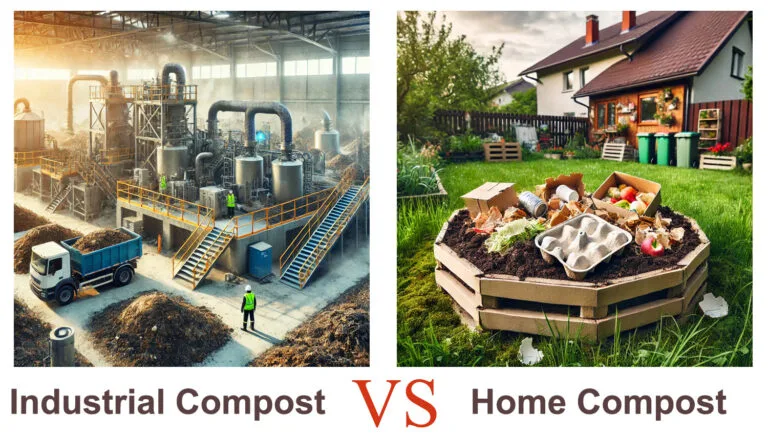
Under commercial composting conditions, BPI compostable cutlery typically decomposes within 90 to 180 days, depending on local facility standards and materials used.
How long do biodegradable plastic forks and spoons take to decompose?
The decomposition time varies, but most biodegradable plastic cutlery will break down within 3 to 6 months in commercial composting facilities.
Are eco-friendly utensils safe for hot and cold foods?
Yes, high-quality eco-friendly utensils are designed to withstand both hot and cold foods without bending or breaking, making them suitable for various dining needs.
Traditional Plastics
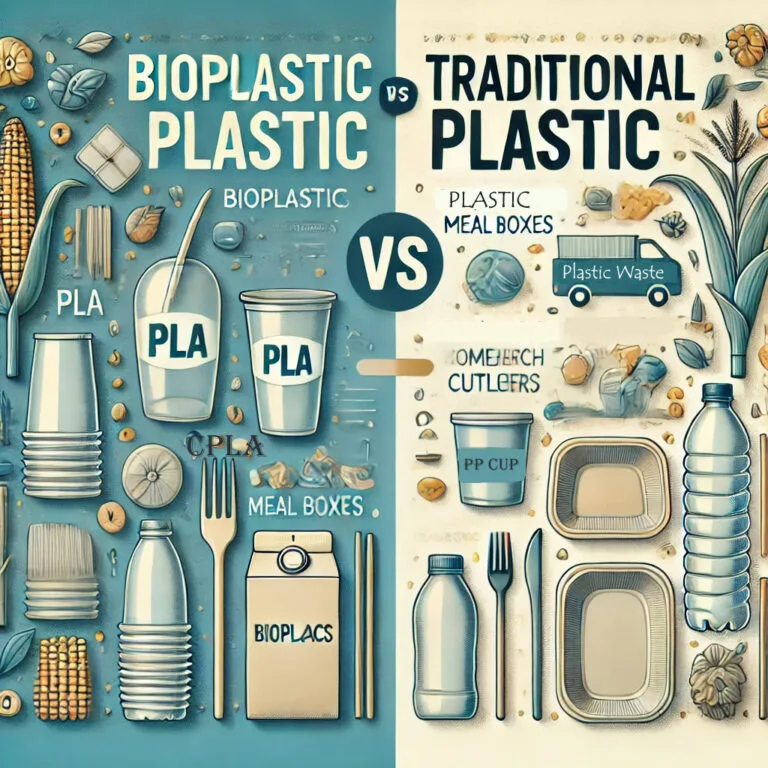
Traditional plastics are polymers primarily derived from petrochemicals. Polyethylene (PE), polypropylene (PP), polyvinyl chloride (PVC), polystyrene (PS), and polyethylene terephthalate (PET) are among the most commonly produced plastics worldwide — high quality bioplastic. These materials owe their popularity to a set of unique properties: High Durability and Strength: Traditional plastics can endure substantial wear and tear, making them ideal for packaging, automotive components, and consumer goods , high quality bioplastic. Versatility: Their chemical structure allows for a wide range of variations, enabling everything from rigid to flexible applications.
Environmental Footprint
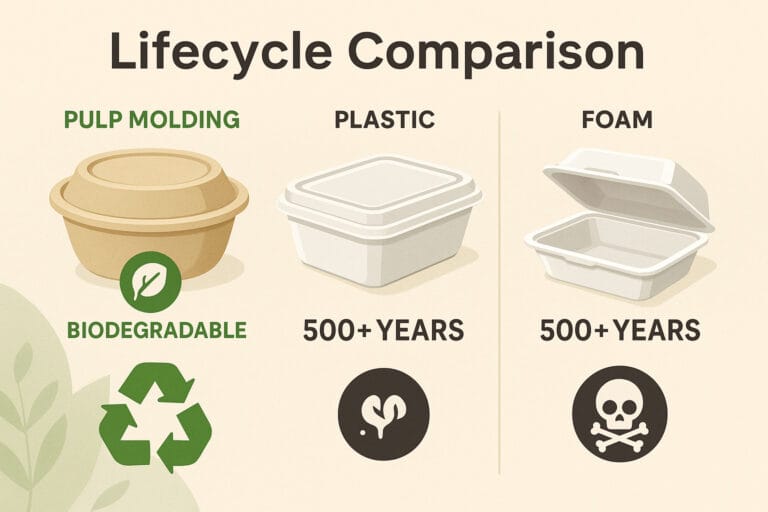
Carbon Emissions: While the production of traditional plastics emits significant CO₂, bioplastics can sequester carbon during the feedstock growth phase. Nonetheless, the overall carbon balance depends heavily on farming practices, transportation, and the energy source used for production. Pollution and Waste: Traditional plastics persist in the environment for centuries , high quality bioplastic. Bioplastics, especially those that are biodegradable or compostable, may degrade faster, though the conditions required for degradation (e.g., industrial composting facilities) are not always readily available.