High Quality Bioplastic Compliance Checklist | Bioleader® Sustainable Packaging
Actionable coverage of high quality bioplastic: eco-friendly, biodegradable, compostable materials, performance data, and compliance under EN13432 & ASTM D6400. Includes BPI/TÜV references and Food-Contact Tested guidance for safe deployment. Buyer-focused: manufacturer insights, bulk/wholesale buying playbooks, OEM/ODM customization tips, full size range selection.
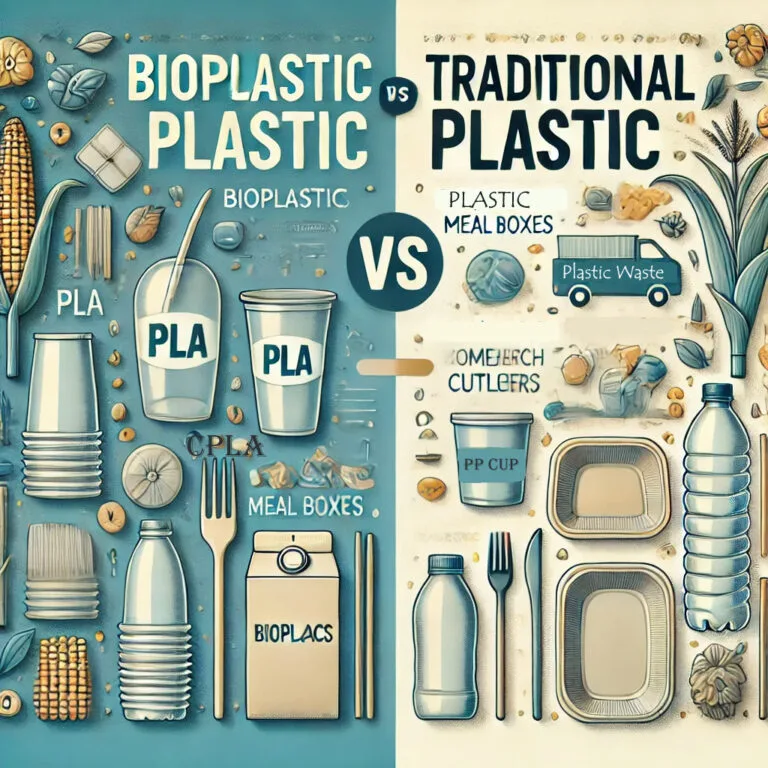
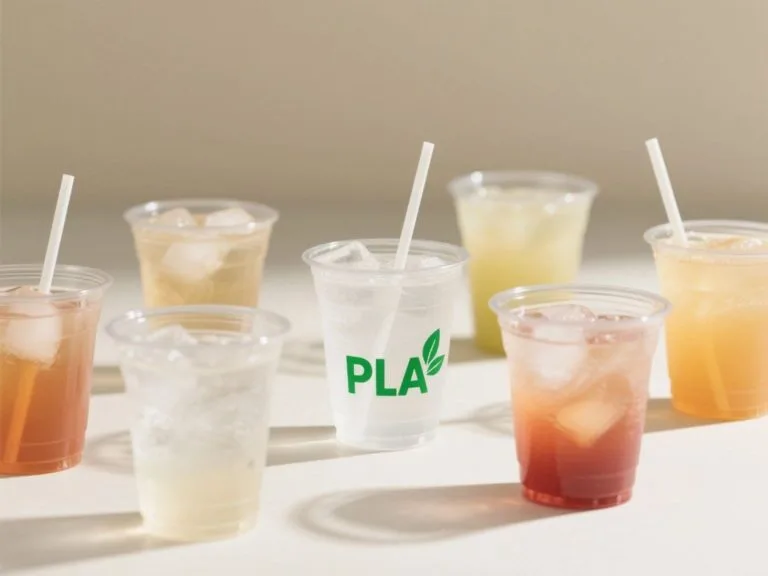
In an era when environmental concerns dominate headlines, the question of whether bioplastics truly offer a sustainable alternative to traditional plastics has taken center stage. The short answer is that bioplastics do indeed represent a promising route to reducing pollution and dependence on fossil fuels—but their real-world impact depends on responsible production, consumer awareness, and efficient waste management systems. Over the next several sections, we will dive deep into the differences between bioplastics and traditional plastics, highlight expert opinions and scientific research, and showcase practical applications such as Bioleader’s cornstarch tableware and PLA clear cups. By the end of this discussion, you will have a clearer understanding of where each type of plastic stands in today’s rapidly evolving market, as well as the challenges and opportunities that lie ahead.
high quality bioplastic — Quick Summary
Items displayed (articles): 12
Last updated: 2025-02-20
Includes test data, compliance guides, buyer FAQs, and real-world use cases.
FAQ of Bioleader's Eco-friendly Disposable Tableware
How many sizes of the product can I get?
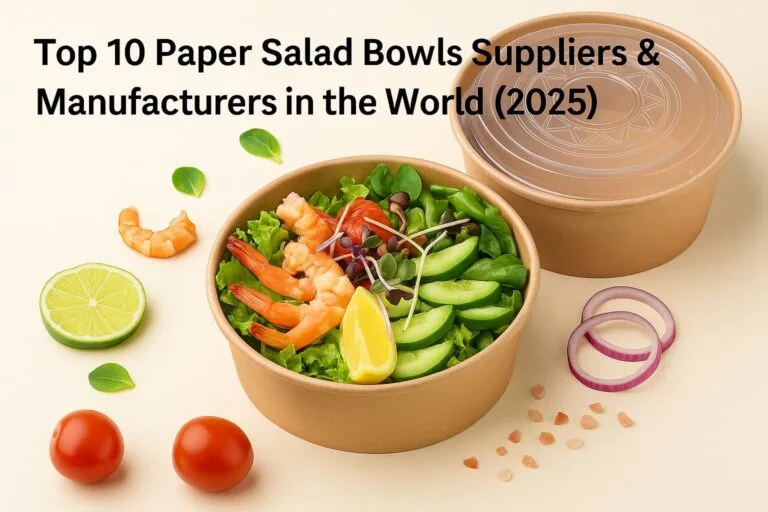
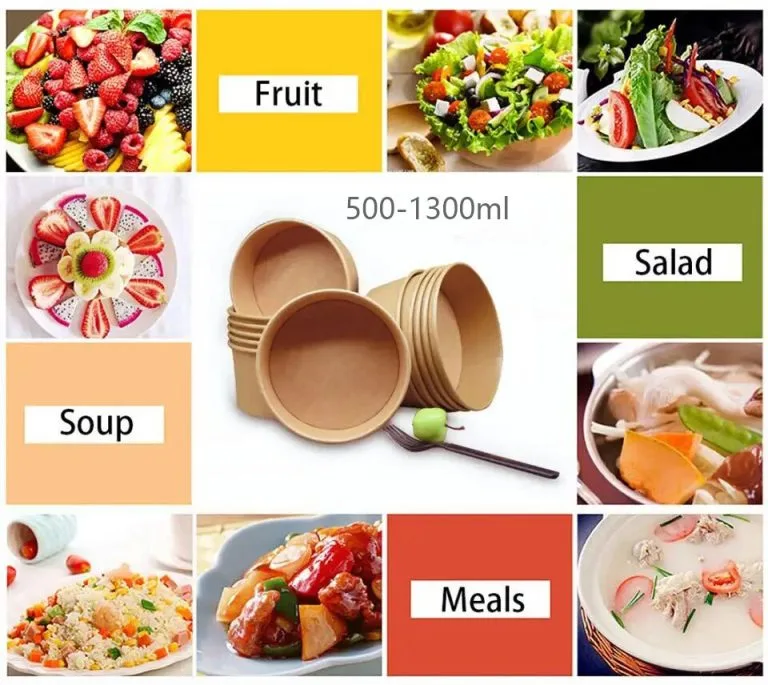
The compostable salad bowls are within the capacity range of 500 and 1500 ml (8 oz-48 oz), Availing variety for the mass.
What are the available sizes?
We provide several dimensions with different volumetric capacities starting from 500ml up to 1500ml which would suffice various needs for portions — high quality bioplastic.
Environmental Sustainability and Biodegradability Of Paper Products.
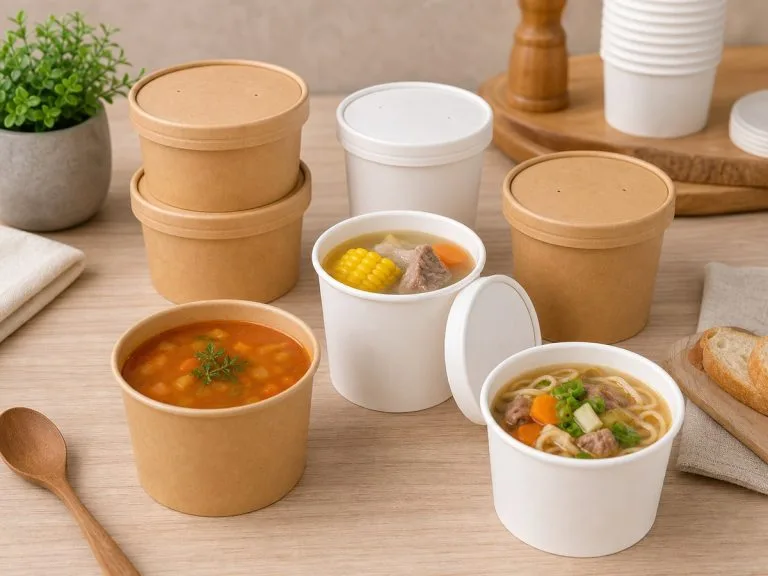
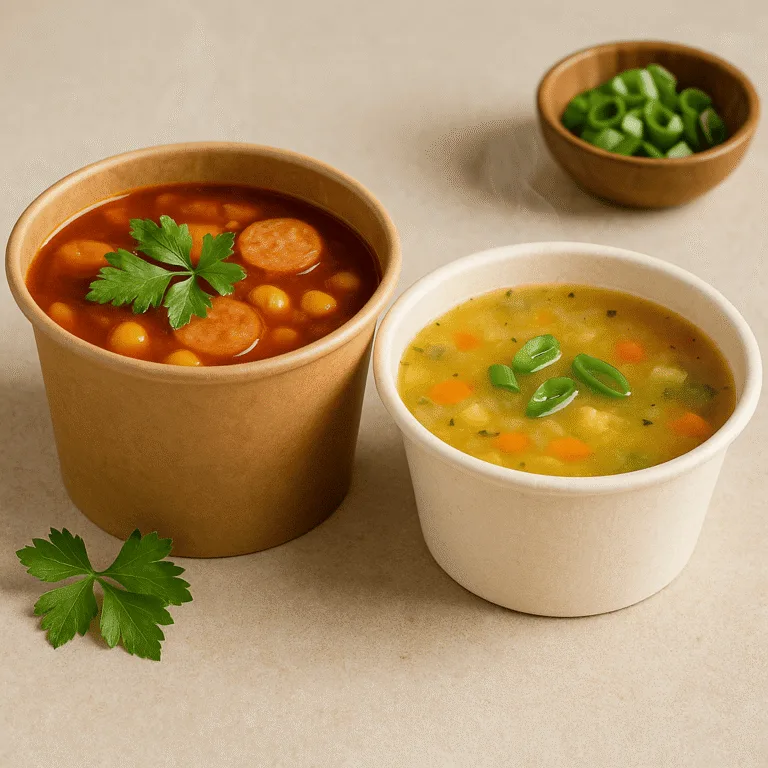
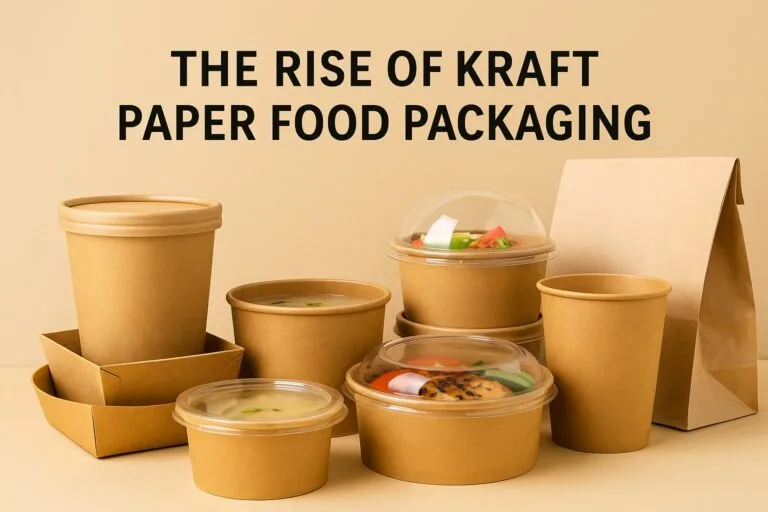
Making operating and design decisions that enhance environmental sustainability involves green practices and does not destroy the business unit’s viability. We manufacture durable Kraft paper as well as white cardboard paper for use in our bio-disposable bowls with printed logos. Kraft paper is strong, environmentally friendly, and compostable. Natural brown kraft paper is the appropriate choice for environment-friendly consumers.
Raw Material Sources
Traditional Plastics: Petrochemical feedstocks derived from crude oil or natural gas. Bioplastics: Renewable biological sources such as corn, sugar beet, sugarcane, or even cellulose from wood pulp — high quality bioplastic. The shift from fossil fuels to renewable resources can theoretically reduce the carbon intensity of plastic production. However, some critics argue that using agricultural land for bioplastic feedstocks could compete with food production, potentially driving up food prices or leading to deforestation.
Traditional Plastics
Traditional plastics are polymers primarily derived from petrochemicals. Polyethylene (PE), polypropylene (PP), polyvinyl chloride (PVC), polystyrene (PS), and polyethylene terephthalate (PET) are among the most commonly produced plastics worldwide. These materials owe their popularity to a set of unique properties: High Durability and Strength: Traditional plastics can endure substantial wear and tear, making them ideal for packaging, automotive components, and consumer goods. Versatility: Their chemical structure allows for a wide range of variations, enabling everything from rigid to flexible applications — high quality bioplastic.