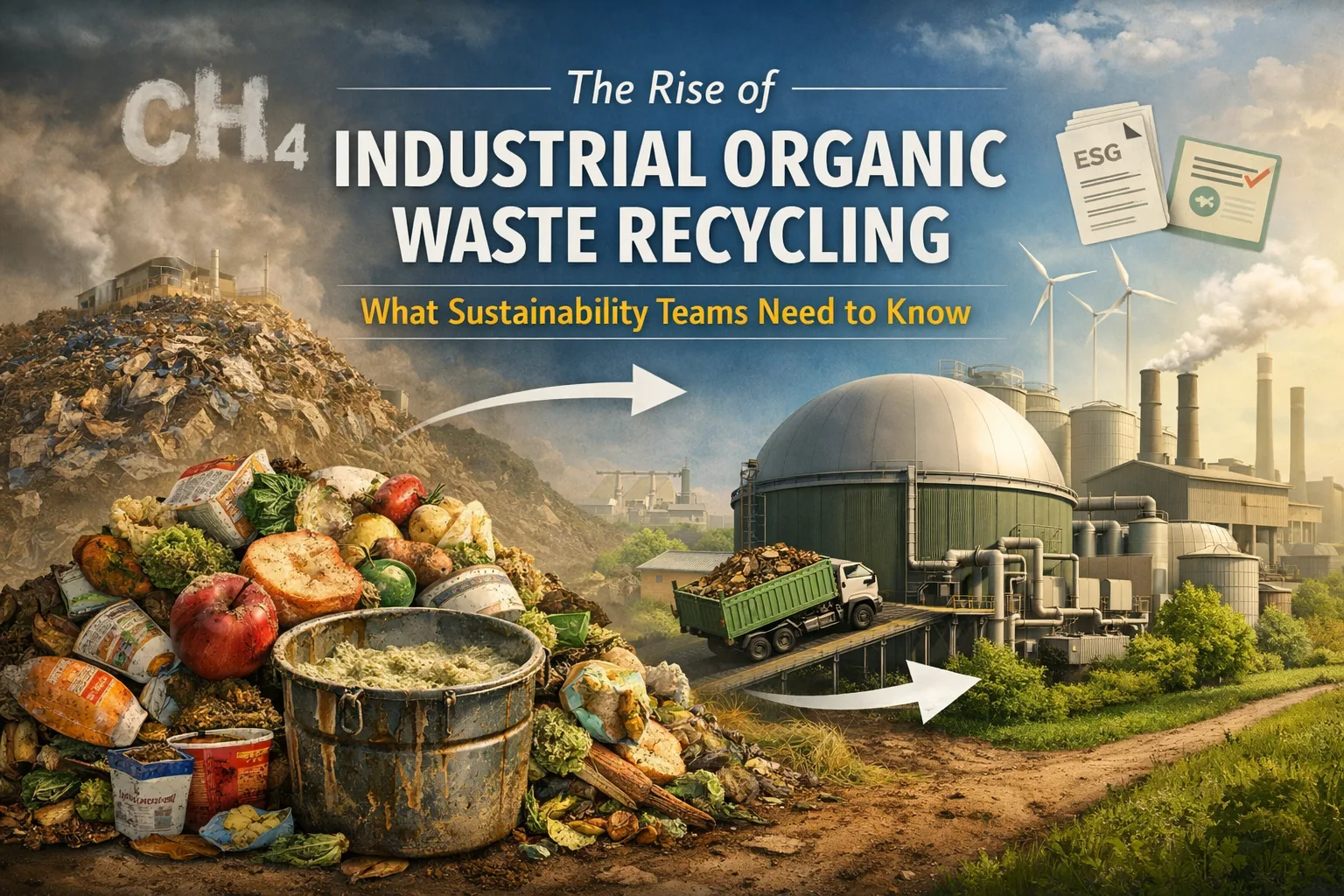










In a world becoming increasingly conscious about sustainability and environmental responsibility, carry out containers have become more than just convenient packaging solutions—they now represent a commitment to the planet. Restaurants and consumers alike are increasingly interested in the compostability of their takeout packaging, driven by growing awareness around plastic pollution and waste management challenges. But with so many claims about compostability, are carry out containers genuinely capable of breaking down naturally without harming the environment?
Understanding Compostability in Carry Out Containers
To truly grasp whether carry out containers are compostable, it’s important to understand what compostability means. Compostable containers must break down into natural elements in a composting environment within a specified period—usually 90 to 180 days—without leaving harmful residues. Such containers differ significantly from merely “biodegradable” containers, which may break down but not necessarily return beneficial nutrients back to the environment.
Key Points on Compostable Containers:
Timeframe: True compostable containers degrade fully within approximately 180 days.
Residue: No toxic residues are left behind, enhancing soil nutrients.
Certifications: Recognized standards include ASTM D6400 (U.S.), EN 13432 (Europe), and AS 4736 (Australia).

Types of Carry Out Containers
Carry out containers for food come in various materials, each having unique compostability characteristics:
1. Plastic Carry Out Containers
Typically made from petroleum-based plastics such as polypropylene (PP) or polystyrene (PS).
Not compostable or biodegradable.
Environmental concerns include pollution and resource depletion.
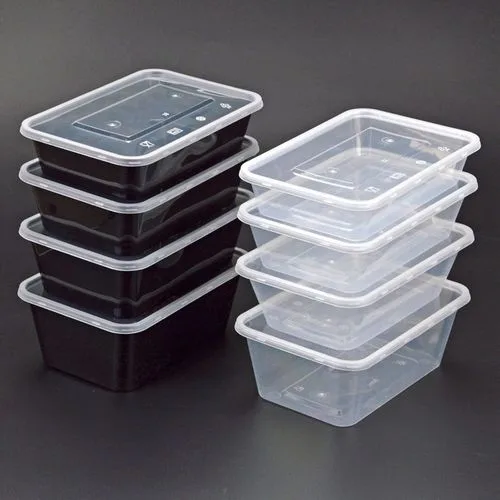
2. Black Carry Out Containers
Often problematic because recycling facilities use optical scanners, which fail to detect black plastic, making recycling difficult.
Usually not compostable, as black plastic is generally petroleum-based.
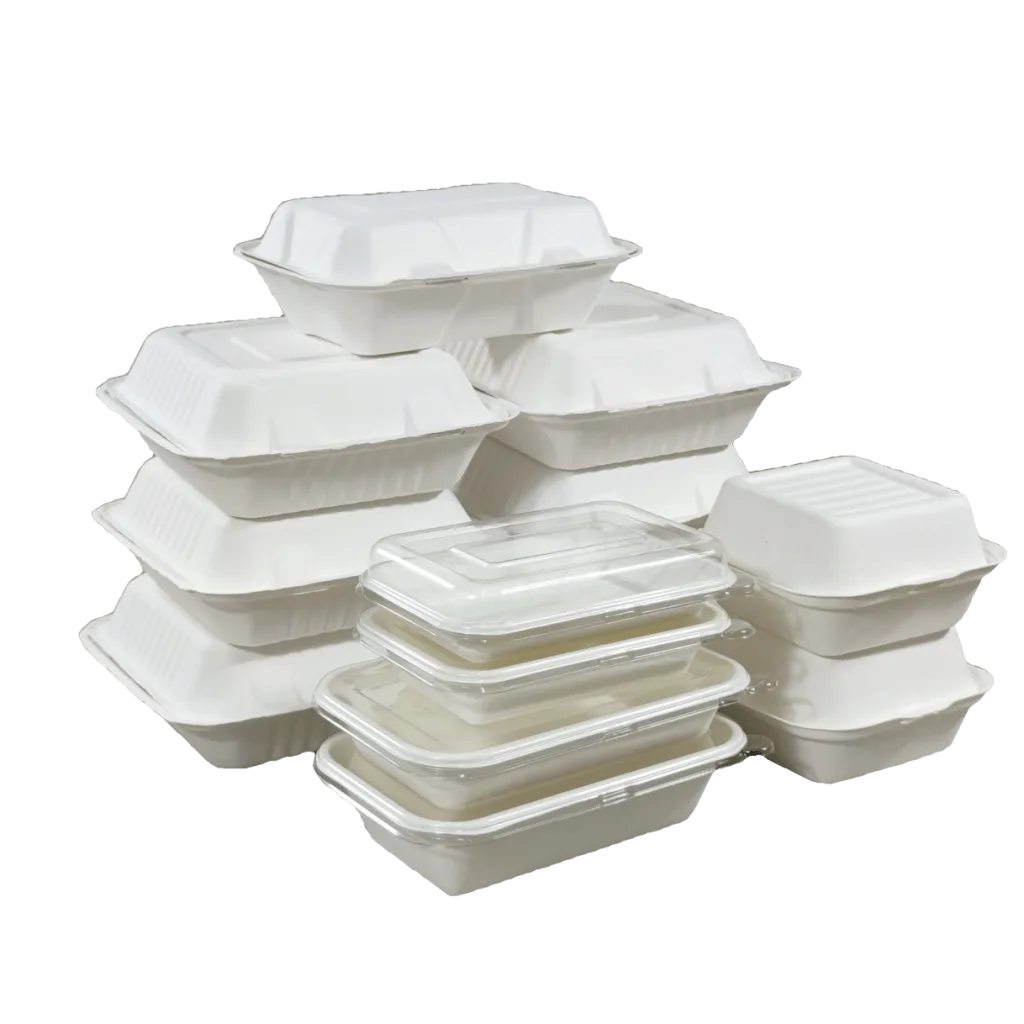
3. Disposable Carry Out Containers (PLA and Cornstarch)
Often derived from renewable sources like corn or potato starch.
Usually compostable under industrial composting conditions, breaking down within 90 to 120 days.

4. Paper-Based Carry Out Containers
Commonly coated with a thin layer of plastic or wax for moisture resistance.
Compostability depends on coatings used. Fully paper-based containers without plastic coatings are compostable.
5. Bagasse (Sugarcane Fiber) Containers
Completely compostable and sustainable.
Popular alternative due to rapid compostability within 90 days and minimal environmental impact.
Are Carry Out Containers Really Compostable?
While many containers are marketed as compostable, their real-world compostability can vary drastically.
Reality Check – Infographic Summary
Plastic Containers ❌ (Non-compostable)
Black Containers ❌ (Non-compostable due to recycling challenges)
PLA Containers ✅ (Industrial composting)
Cornstarch Containers ✅ (Industrial composting)
Bagasse Containers ✅ (Fully compostable)
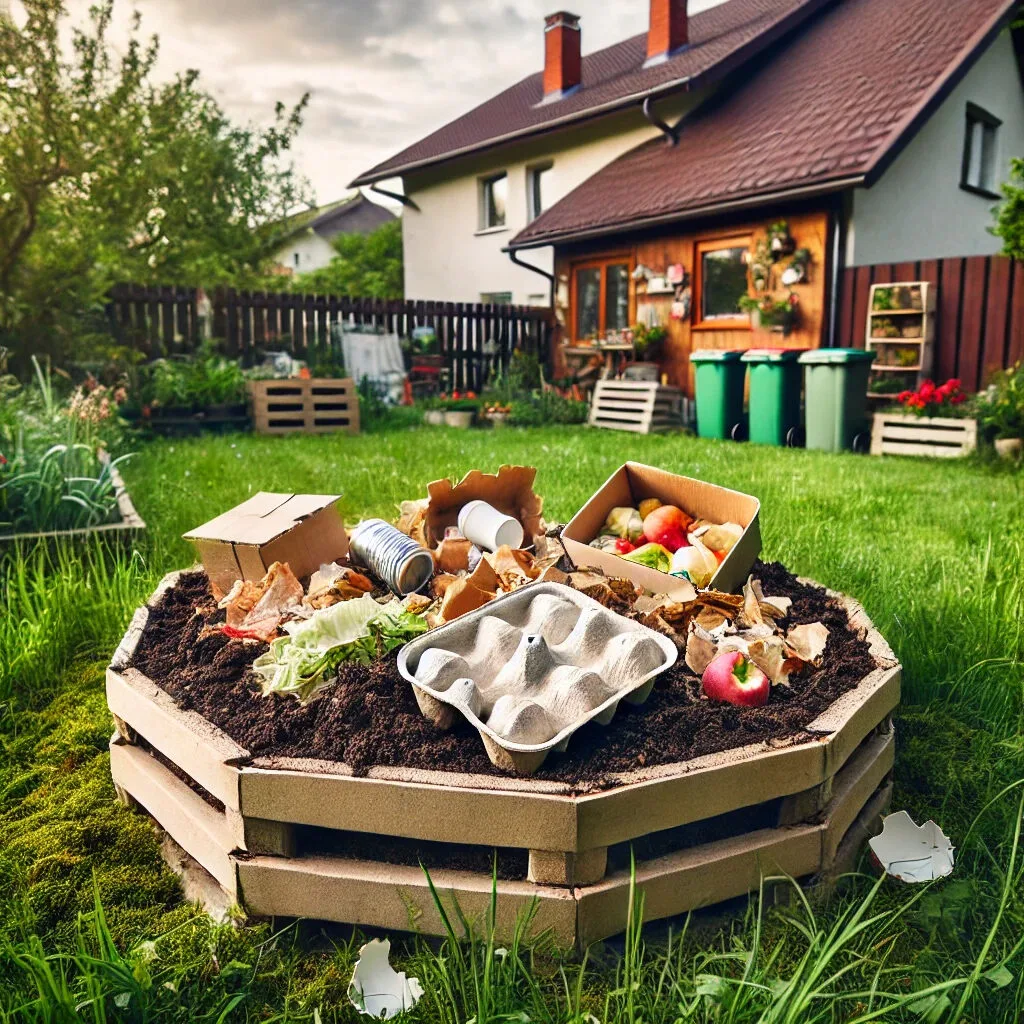
Real-world composting conditions vary significantly from controlled industrial settings. Containers labeled “compostable” often require industrial composting facilities—rarely are they suitable for home composting unless specifically marked.
How to Tell if a Takeout Container is Compostable?
Determining if carry out containers for food are compostable involves checking for specific indicators:
Look for compostability certification marks like ASTM D6400 or BPI Certified Compostable.
Containers labeled clearly as “Industrial Compostable” require specialized facilities.
Home compostable containers explicitly state “Home Compostable” on packaging.

Why are Styrofoam Containers Banned? Alternatives to Styrofoam Takeout Containers
Styrofoam (expanded polystyrene) containers are increasingly banned due to severe environmental impacts:
Non-biodegradable, breaking into microplastics harmful to marine life.
Production and disposal release toxic chemicals like benzene and styrene.
Alternatives to Styrofoam:
Bagasse (sugarcane fiber)
PLA (corn-based plastics)
Recycled paperboard
Bamboo or palm leaf products
Can Paper Takeout Containers be Composted?
Paper carry out containers can be composted under specific conditions:
Fully compostable if not lined with plastic.
Containers with polyethylene linings or wax coatings are not compostable unless specified.
Are Brown Takeout Boxes Compostable?
Brown takeout boxes, typically made from unbleached kraft paper, are compostable under the following conditions:
Free from plastic coatings.
Clearly labeled as compostable.
Often used widely due to natural appearance and eco-friendly perception.
Industry Expert Insights
Experts emphasize a shift towards sustainable solutions driven by consumer demand and regulatory pressures.
Dr. Anna Brown, Environmental Scientist:
Transitioning to genuinely compostable packaging like bagasse or PLA can dramatically reduce environmental impact. However, infrastructure must evolve to accommodate compostable waste streams effectively.”
Case Study: Bioleader’s Carry Out Containers
Bioleader Environmental Protection Technology specializes in fully compostable carry out containers, notably bagasse and cornstarch varieties. Restaurants transitioning to Bioleader’s products reported:
Significant reduction in landfill waste.
Positive customer feedback on sustainability efforts.
Increased compliance with local environmental regulations.
Scientific Data Supporting Compostability
A 2023 study by the Composting Council indicated bagasse containers degraded fully within 90 days in industrial composting facilities.
PLA-based containers showed 85% degradation within the same timeframe under optimal conditions.
Real-Life User Feedback & Case Studies
Restaurant Case Study:
The Green Bistro” switched entirely to Bioleader’s bagasse containers and observed an 80% reduction in packaging waste over 6 months.
Consumer Feedback:
87% of customers at “Organic Eats Cafe” expressed positive feelings about seeing their food served in clearly labeled compostable containers.
FAQ: Top 10 Google Queries about Carry Out Containers
Are plastic carry out containers recyclable?
Only certain types, usually clear plastics labeled with recycling symbols.How long do compostable carry out containers take to decompose?
Typically, 90–180 days under industrial composting conditions.Are black carry out containers harmful?
Not directly, but difficult recycling makes them environmentally harmful.Can you compost takeout containers at home?
Only containers explicitly labeled as home compostable.Are paper carry out containers better than plastic?
Yes, if compostable or easily recyclable without plastic coatings.Why should restaurants switch to compostable containers?
Reduces environmental impact, attracts eco-conscious customers, complies with regulations.Do compostable containers cost more?
Initially yes, but long-term environmental benefits often outweigh costs.What is the best compostable carry out container?
Bagasse containers are widely recognized as most effective.Are compostable containers microwave safe?
Most compostable containers, like bagasse, are microwave-safe.Where can I buy compostable carry out containers wholesale?
Bioleader and similar specialized suppliers provide wholesale options globally.
Conclusion
While many carry out containers are marketed as compostable, only specific types such as bagasse, PLA, and certified paper-based products reliably break down in composting conditions. Choosing genuinely compostable options like Bioleader’s products significantly supports environmental health, aligning businesses with sustainability goals and consumer expectations.
References:
ASTM International, “Standard Specification for Compostable Plastics” ASTM.org
Biodegradable Products Institute, “Certified Compostable” BPIworld.org
The Composting Council, “Compostability Studies” compostingcouncil.org
(plus additional authoritative sources…)