Government Regulations On Plastic Compliance Checklist | Bioleader® Guides

Actionable coverage of government regulations on plastic: eco-friendly, biodegradable, compostable materials, performance data, and compliance under EN13432 & ASTM D6400. Includes BPI/TÜV references and Food-Contact Tested guidance for safe deployment. Buyer-focused: manufacturer insights, bulk/wholesale buying playbooks, OEM/ODM customization tips, full size range selection.
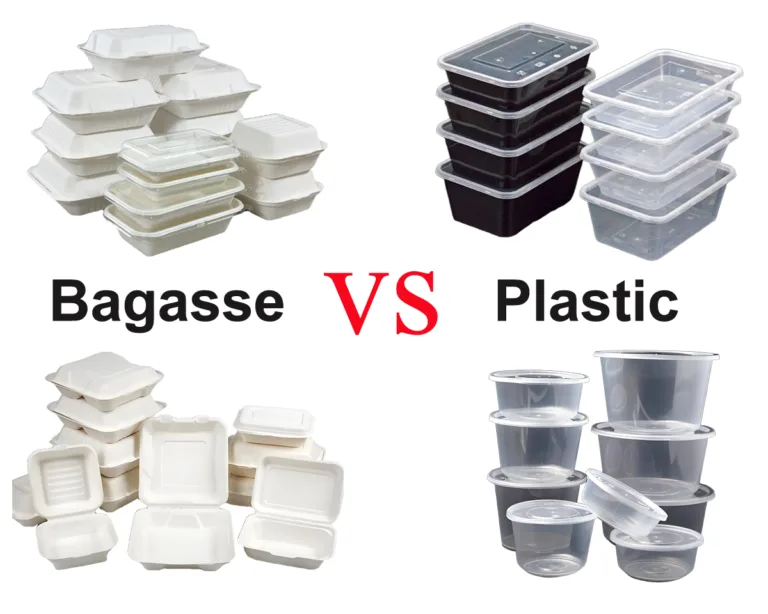
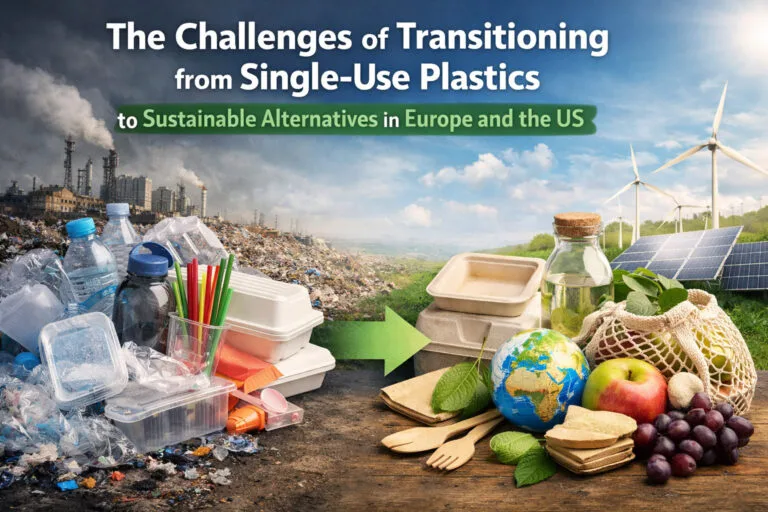
Quick Summary: Bagasse containers (sugarcane fiber) and plastic containers solve the same “takeout packaging” problem with very different lifecycle outcomes. Plastic is cheap, durable, and moisture-resistant—but it relies on fossil feedstock and creates long-lived waste risk. Bagasse is made from renewable agricultural residue and is compostable under the right conditions, aligning better with plastic-reduction policies and brand sustainability goals. For foodservice buyers, the “best choice” depends on the meal type (hot/oily vs. cold/wet), required barrier time, disposal route (home/industrial composting), and total cost of ownership (brand, compliance, and waste-management cost).
government regulations on plastic — Quick Summary
  • Items displayed (articles): 12
  • Last updated: 2025-02-08
  • Includes test data, compliance guides, buyer FAQs, and real-world use cases.

Editor’s Picks: Top Government Regulations On Plastic Guides 2026

FAQ of Bioleader's Eco-friendly Disposable Tableware

Environmental Sustainability and Biodegradability Of Paper Products.

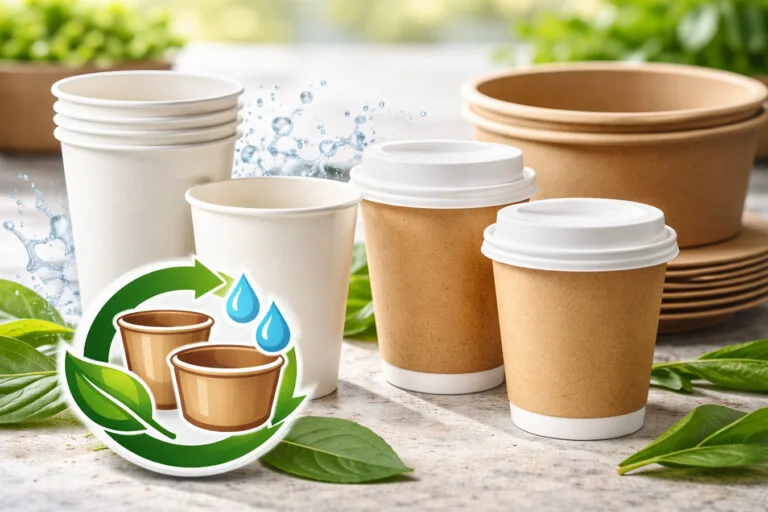
Making operating and design decisions that enhance environmental sustainability involves green practices and does not destroy the business unit’s viability. We manufacture durable Kraft paper as well as white cardboard paper for use in our bio-disposable bowls with printed logos. Kraft paper is strong, environmentally friendly, and compostable , government regulations on plastic. Natural brown kraft paper is the appropriate choice for environment-friendly consumers.

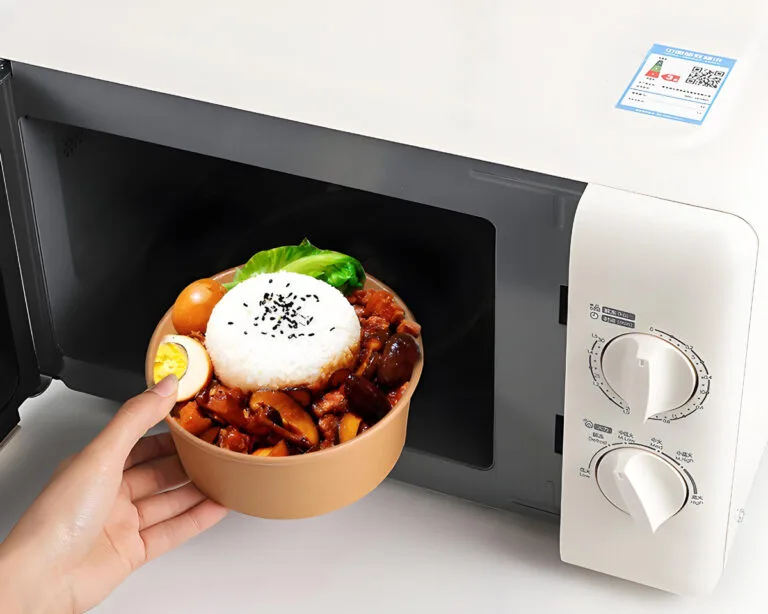
Are these bowls suitable for serving hot foods?

Certainly, our to go bowls with lids make it possible to serve hot foods such as soup, noodles, and stew without leaking or deforming.

Do you offer the bowls with logo customization?

Certainly — government regulations on plastic. We provide complete branding of our paper takeaway bowls, which includes brand logos and selection designs on the bowls. For details, please get in touch with us.

Advantages of Bagasse Containers

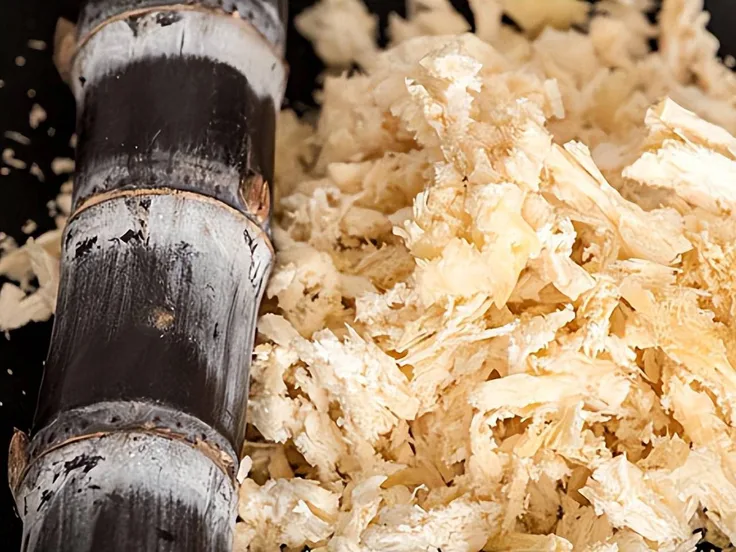
Biodegradability and CompostabilityBagasse containers are 100% biodegradable and compostable, breaking down within 60-90 days under composting conditions. Unlike plastic, which can persist in the environment for centuries, bagasse returns to nature without harming ecosystems , government regulations on plastic. Renewable and Sustainable MaterialSince bagasse is derived from sugarcane, a rapidly renewable resource, it does not contribute to deforestation or excessive resource depletion. Heat Resistance and Microwave-SafeBagasse food containers can withstand high temperatures, making them microwave-safe and suitable for hot foods.

Reference Source List:

“Biodegradability of Sugarcane Bagasse-based Materials” – ResearchGate “The Environmental Impact of Plastic Packaging” – ScienceDirect “Comparison of Biodegradable and Plastic Packaging: A Lifecycle Analysis” – Journal of Sustainable Materials “Microplastic Contamination in Food Packaging” – Environmental Research Journal “The Future of Sustainable Packaging: Trends and Innovations” – Forbes “Government Regulations on Plastic Bans” – World Economic Forum “The Rise of Compostable Packaging in the Food Industry” – National Geographic { “@context”: “https://schema.org”, “@type”: “FAQPage”, “mainEntity”: [ { “@type”: “Question”, “name”: “What is bagasse, and how is it used in food packaging?”, “acceptedAnswer”: { “@type”: “Answer”, “text”: “Bagasse is the fibrous residue left after extracting juice from sugarcane. Instead of being discarded as waste, it is repurposed to create biodegradable and compostable food containers, offering a sustainable alternative to plastic packaging.” }}, { “@type”: “Question”, “name”: “Are bagasse food containers safe for hot and cold foods?”, “acceptedAnswer”: { “@type”: “Answer”, “text”: “Yes, bagasse containers are heat-resistant and safe for hot and cold foods. They can be used in microwaves and freezers without compromising their structural integrity or safety.” } }, { “@type”: “Question”, “name”: “How long does it take for a bagasse container to decompose?”, “acceptedAnswer”: { “@type”: “Answer”, “text”: “Under industrial composting conditions, bagasse containers typically decompose within 60 to 90 days. In natural environments, the breakdown time may vary depending on temperature, moisture, and microbial activity.” } }, { “@type”: “Question”, “name”: “How do bagasse containers compare to plastic in terms of cost?”, “acceptedAnswer”: { “@type”: “Answer”, “text”: “Bagasse containers are currently more expensive than plastic due to production processes and limited large-scale manufacturing.


Related Insights

🚀Ready to Go Green and Choose ?

Join the global movement toward zero-waste packaging.


Bioleader® offers:

  • 📦 Bulk order support & fast delivery

  • ✍️ Custom branding and OEM solutions

  • 🌍 Worldwide eco-packaging compliance

Get the Catalogue Products List  & Contact Us Now! 👉

Contact us Below

Click or drag files to this area to upload.You can upload up to 5 files.
The more details you share, the faster and more accurate our quotation will be.