Government Regulations On Plastic Compliance Checklist | Bioleader® Guides
Actionable coverage of government regulations on plastic: eco-friendly, biodegradable, compostable materials, performance data, and compliance under EN13432 & ASTM D6400. Includes BPI/TÜV references and Food-Contact Tested guidance for safe deployment. Buyer-focused: manufacturer insights, bulk/wholesale buying playbooks, OEM/ODM customization tips, full size range selection.
government regulations on plastic — Quick Summary
Items displayed (articles): 12
Last updated: 2025-02-08
Includes test data, compliance guides, buyer FAQs, and real-world use cases.
FAQ of Bioleader's Eco-friendly Disposable Tableware
Is BPI compostable cutlery suitable for hot foods?
Yes, BPI compostable cutlery is designed for strength and durability, making it suitable for use with both hot and cold foods in restaurants, catering, and events.
What is BPI compostable cutlery made from?
BPI compostable cutlery is typically made from plant-based materials such as cornstarch, PLA, or other renewable bioplastics that fully biodegrade under commercial composting conditions.
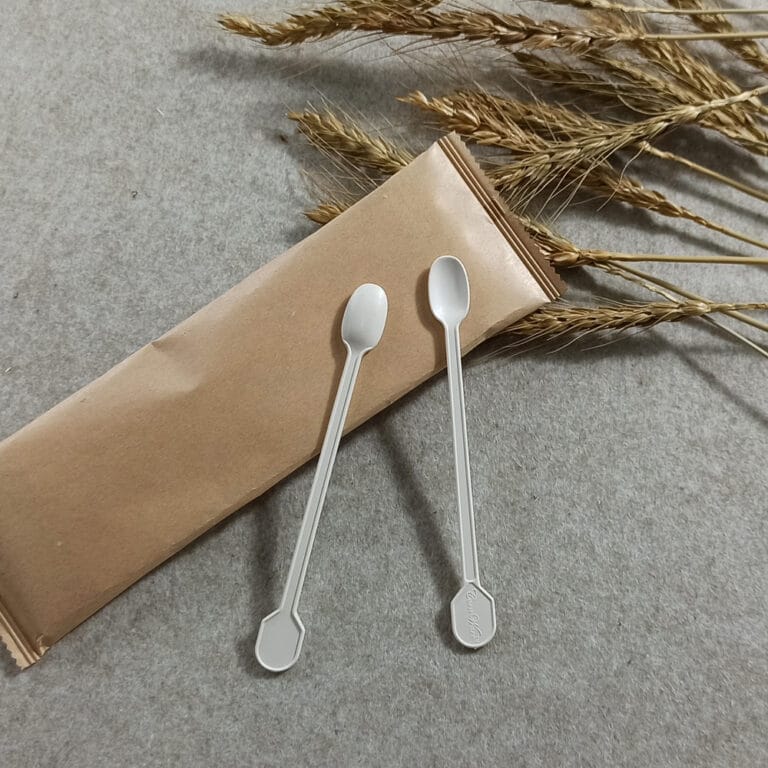
1. Bioleader® CPLA Fork Spoon Knife—(7 inch): Embossed “Compostable” Logo
Item Name / Material Weight Size(mm) PCS/CTN Carton Size(cm) CPLA-02 CPLA Fork 4.8g 7inch/ 170mm 1000 44 18 23.5 CPLA-03 CPLA Spoon 4.9g 7inch/ 170mm 1000 34.5 19 19 CPLA-01 CPLA Knife 5g 7inch/ 180mm 1000 47.5 18 22.5 About CPLA : CPLA (Crystallized Polylactic Acid) represents a derivative of PLA (Polylactic Acid), of which bioplastics can be obtained from easily renewable resources like corn starch or sugarcane. Due to the crystallization process in CPLA, the material’s toughness and heat resistance are increased, allowing this bioplastic to be used for high-temperature applications such as cutlery; otherwise, the regular PLA would soften or deform. Biodegradable and Compostable BPI Certified Eco-Friendly CPLA Utensils : CPLA cutlery is made from plant-based resources like corn starch, BPI-certified 100% industrial-compostable in 90 days, and can break down entirely in industrial composting facilities — government regulations on plastic. Each of our Non-plastic fork, spoon, and knife has “compostable” embossed on it.
Disadvantages of Plastic Food Containers
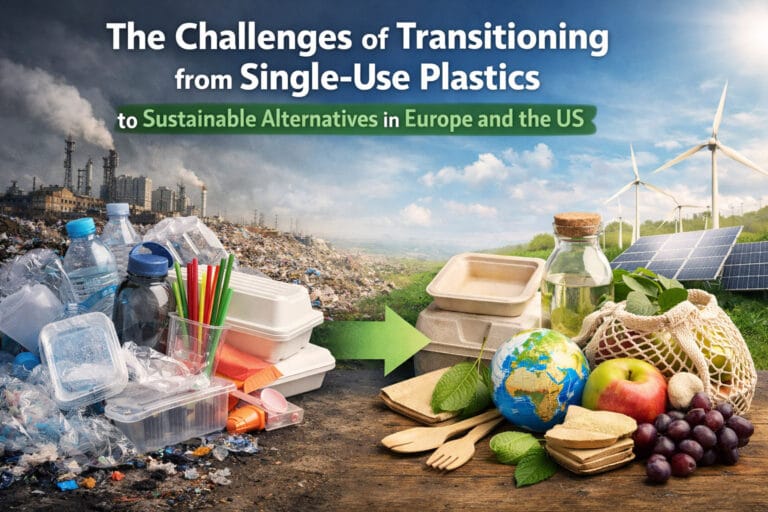
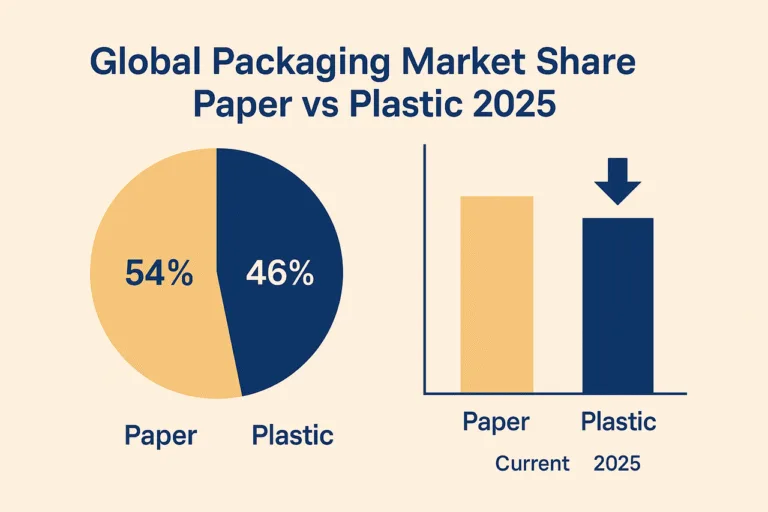
Non-Biodegradable and Persistent WasteMost plastic containers take hundreds of years to decompose, contributing to landfills, ocean pollution, and microplastic contamination. Environmental PollutionPlastic waste has become one of the biggest global environmental crises, with millions of tons ending up in waterways and marine ecosystems. Health ConcernsCertain plastics contain harmful chemicals, such as BPA, which can leach into food and pose potential health risks , government regulations on plastic. Plastic food containers Plastic containers Which Food Packaging Option is More Sustainable?
Disadvantages of Bagasse Containers
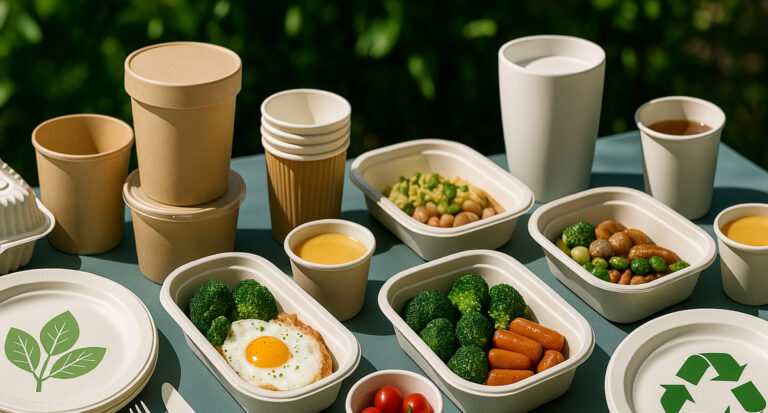
Higher Production CostsCompared to plastic, bagasse packaging is currently more expensive due to its production process and limited large-scale manufacturing facilities. Lower Barrier PropertiesBagasse does not provide the same level of moisture and oxygen barrier as plastic, which may impact food shelf life. Sugarcane Bagasse Food Container Bagasse Clamshell Boxes Containers Sugarcane Bagasse Takeout to Go Container Boxes Sugarcane Bagasse Takeout Containers What is a Plastic Container , government regulations on plastic. Plastic food containers are made from petroleum-based polymers such as polyethylene (PE), polypropylene (PP), and polyethylene terephthalate (PET).