Guide To Global Food Trends: Materials, Standards & Best Practices | Bioleader® Sustainable Packaging
Actionable coverage of global food trends: eco-friendly, biodegradable, compostable materials, performance data, and compliance under EN13432 & ASTM D6400. Includes BPI/TÜV references and Food-Contact Tested guidance for safe deployment. Buyer-focused: manufacturer insights, bulk/wholesale buying playbooks, OEM/ODM customization tips, full size range selection.
global food trends — Quick Summary
Items displayed (articles): 12
Last updated: 2025-06-07
Includes test data, compliance guides, buyer FAQs, and real-world use cases.
FAQ of Bioleader's Eco-friendly Disposable Tableware
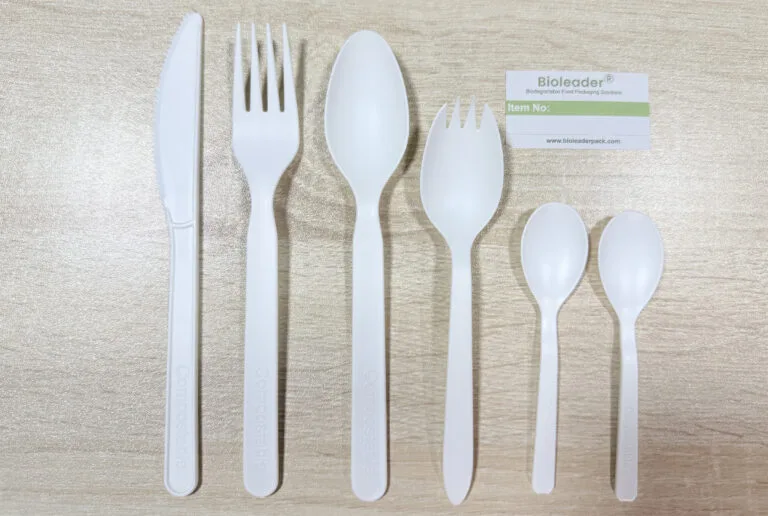
Are biodegradable plastic forks and spoons safe for food contact?
Yes, these products are manufactured to be food-safe, free from toxic chemicals, and suitable for direct contact with all types of food.
How do biodegradable spoons and forks help the environment?
Seen from a larger ecological perspective, biodegradable spoons and forks are assisting in the cutting of plastic waste and fostering sustainable consumption , global food trends.
Why should businesses switch to earth friendly disposable cutlery?
Switching to earth friendly disposable cutlery helps reduce plastic waste, meets eco-conscious consumer demand, and positions a business as a leader in sustainability.
North America: From Convenience to Consciousness
In the U.S. and Canada, food trucks, farmer’s markets, and takeout culture are exploding during summer months , global food trends. While convenience is still king, consumers—especially Millennials and Gen Z—are driving a preference for environmentally friendly packaging. Restaurants offering salads, smoothies, and grain bowls are increasingly using cornstarch bowls and compostable utensils as a point of differentiation.
Australia & New Zealand: Eco Starts at the Beach
With strong ties to environmental preservation, cities like Sydney and Auckland are seeing massive adoption of cornstarch cups and bowls in cafés, juice bars, and casual dining spots. Local governments often subsidize eco-packaging for small businesses, making sustainable choices accessible and affordable , global food trends. Cornware Bowls Compostable Cornstarch Bowls Why Cornstarch Packaging Makes Sense Worldwide Cornstarch bowls and cups are derived from plant-based starches, primarily corn, which makes them renewable, compostable, and far safer than petroleum-based plastics. Here’s what makes them globally adaptable: ✅ Heat- and cold-resistant: Suitable for soups, salads, hot rice bowls, or frozen acai.