Fruit Vs Vegetable Classification 101: What It Is, When To Use, And How To Choose | Bioleader® Insights
Actionable coverage of fruit vs vegetable classification: eco-friendly, biodegradable, compostable materials, performance data, and compliance under EN13432 & ASTM D6400. Includes BPI/TÜV references and Food-Contact Tested guidance for safe deployment. Buyer-focused: manufacturer insights, bulk/wholesale buying playbooks, OEM/ODM customization tips, full size range selection.
fruit vs vegetable classification — Quick Summary
Items displayed (articles): 12
Last updated: 2025-02-14
Includes test data, compliance guides, buyer FAQs, and real-world use cases.
FAQ of Bioleader's Eco-friendly Disposable Tableware
Ensure safety with products that are free of PFAS and BPA
Health comes first. Safety is further guaranteed when you’ve got our trays with lids that don’t have PFAS and BPA in them, two neatly packed chemicals that bring peace to the consumer as they do not have any synthetic materials that pose health risks — fruit vs vegetable classification. So, you know that our products are safe and clean when it comes to packaging and using them.
Institutional Foodservice
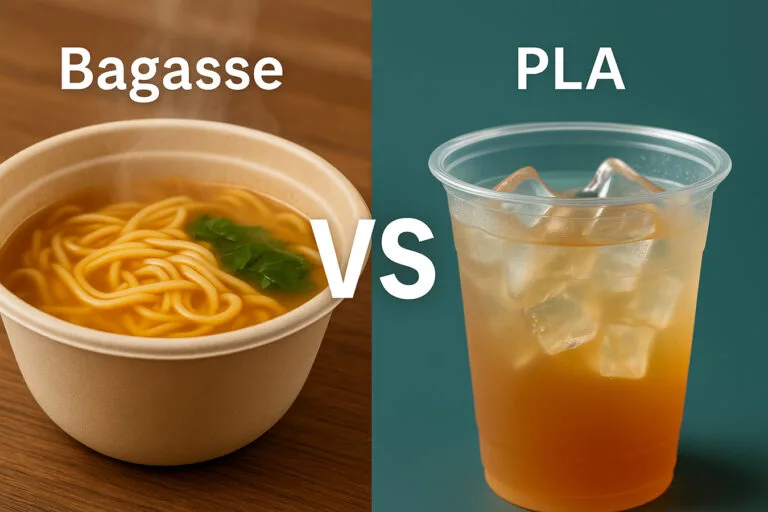
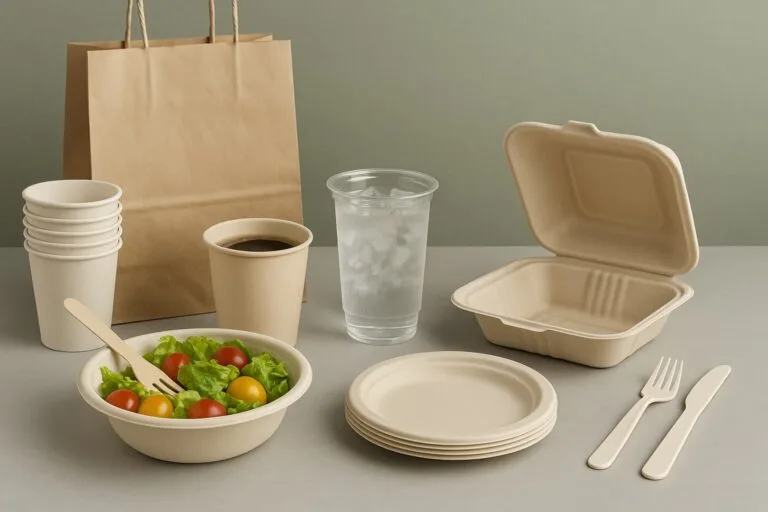
Schools, offices, hospitals, and canteens can use this bagasse tray for everyday meal distribution. It combines convenience, disposable efficiency, and better environmental positioning , fruit vs vegetable classification.
Friendly to the environment
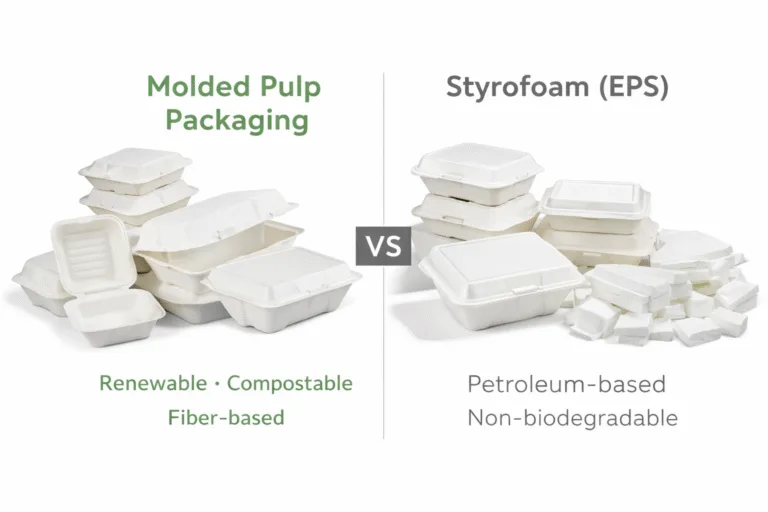
Biodegradable and Compostable: These disposable biodegradable bowls are compostable which makes it easier for the environment in the long run and also menaces plastic pollution. Nontoxic: These bowls are made without the utilization of PFAS and BPA which allows them to be Free from chemical leaching into the food served.
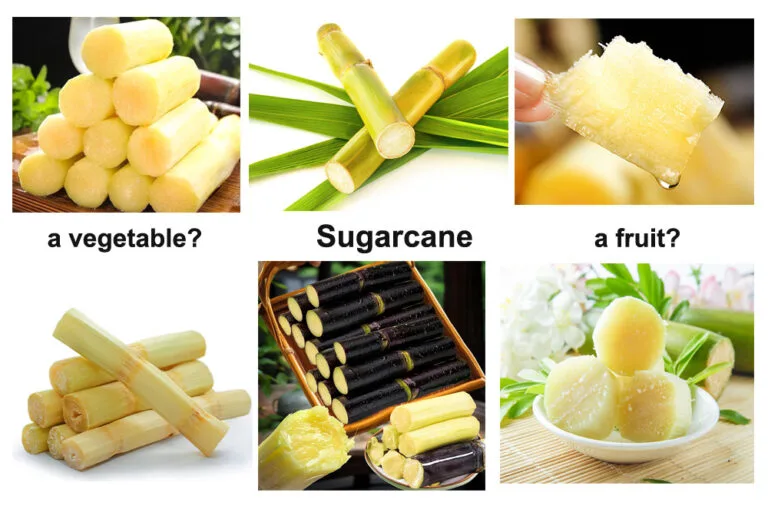
Is sugarcane classified as a fruit or vegetable?
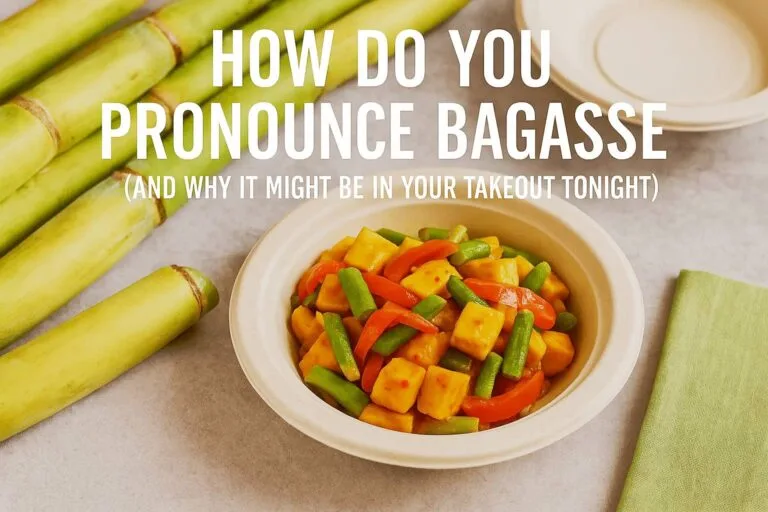
Sugarcane is neither a fruit nor a vegetable — fruit vs vegetable classification. It is a type of perennial grass grown primarily for its stalk, which stores high concentrations of sugar-rich juice.
What part of the sugarcane plant is consumed?
The stalk is the edible part of the sugarcane plant. It is crushed to extract juice, which is then used for direct consumption or refined into sugar.