Environmentally Friendly Containers: Cost, Benefits & Value | Bioleader®

Browse articles grouped under the "environmentally friendly containers" tag for topic-specific information and examples. The featured articles may approach the topic from different product, material, application, market, or sourcing perspectives. Check each article for its exact scope, technical data, standards, sources, and recommendations.
environmentally friendly containers — Content Overview
  • Featured articles shown: 12
  • Directly tagged articles: 1
  • Latest tagged article update: 2026-06-02
  • Coverage, examples, and specific recommendations vary by individual article.

Editor's Picks: Top Environmentally Friendly Containers Guides 2026

FAQ of Bioleader's Eco-friendly Disposable Tableware

Are kraft and white square paper salad bowls recyclable or compostable?

The base material is paperboard, but the final disposal claim depends on the lining and local waste system. PE-coated bowls are practical for standard foodservice use and may depend on local recycling capability. PLA-coated or aqueous-coated options are better choices when buyers need compostable or plastic-reduction packaging claims — environmentally friendly containers.

What is the capacity of a 500-650ml square paper salad bowl?

A 500-650ml square paper salad bowl is designed for compact single-serve or side meal portions. It is commonly used for salads, rice bowls, poke bowls, cold noodles, fruit portions, desserts, side dishes, and light takeaway meals. For buyers building a wider foodservice range, 500-650ml square bowls can be paired with 750ml, 1000ml, 1200ml, and 1400ml square paper bowls.

Are kraft and white rectangular paper salad bowls recyclable or compostable?

The base material is paperboard, but the final disposal claim depends on the lining and local waste system. PE-coated bowls are practical for standard foodservice use and may depend on local recycling capability , environmentally friendly containers. PLA-coated or water-based coated options are better choices when buyers need compostable or plastic-reduction packaging claims.

Scientific Research Insight:

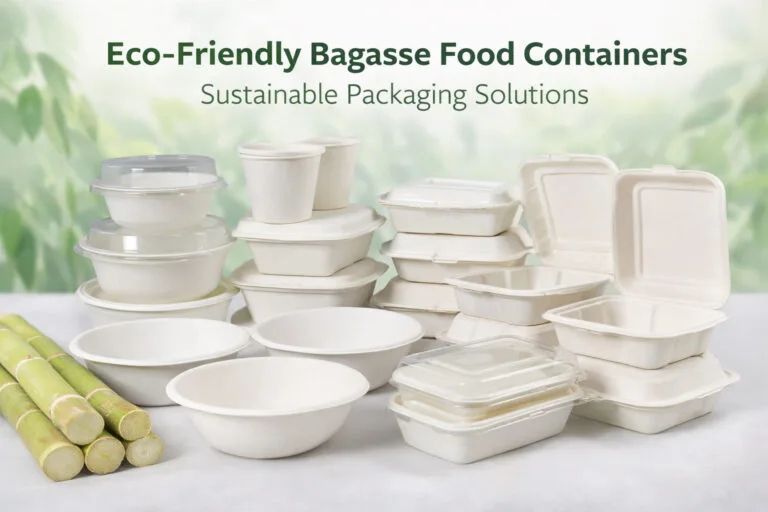
Bagasse Composition: According to studies published by the Journal of Agricultural and Food Chemistry, Bagasse contains approximately 40-50% cellulose, 25-35% hemicellulose, and 10-15% lignin, making it an ideal fibrous material for structural applications like food containers. Its composition allows it to maintain strength while being easily compostable in natural environments. Why Bagasse Is a Superior Choice for Sustainable Food Packaging In-depth Analysis: Bagasse’s natural composition provides it with remarkable strength and resistance to environmental factors like moisture and oil. As an abundant agricultural byproduct, it offers a sustainable alternative to paper, PLA, and plastic packaging.

Impact of Regional Regulations on Market Growth

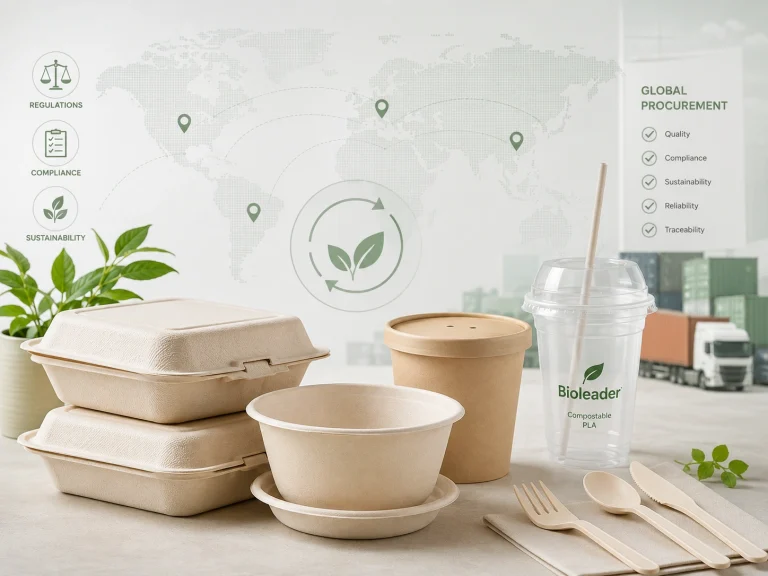
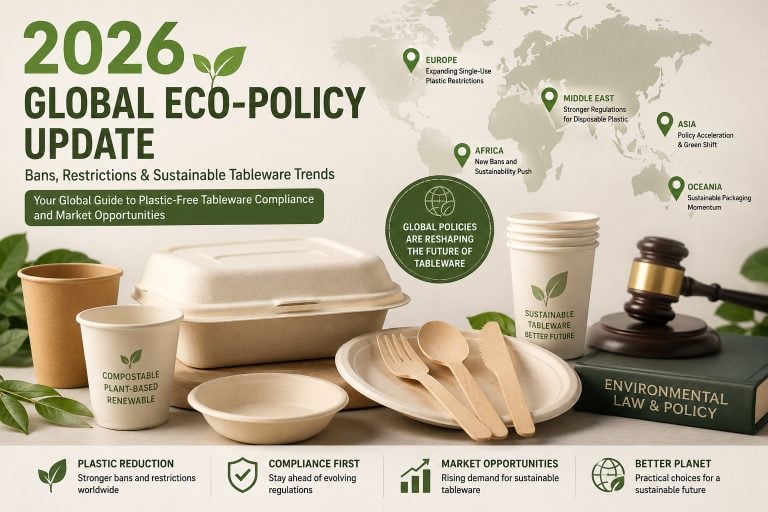
EU Plastic Ban: The EU’s restrictions on single-use plastics have been a major catalyst for the increased demand for biodegradable alternatives like Bagasse. The European Commission reports that the use of biodegradable materials is expected to increase 25-30% by 2025 due to these regulations , environmentally friendly containers. US Environmental Regulations: States like California, New York, and Washington have implemented their own bans on plastic packaging, pushing for alternatives like Bagasse. This regional growth is expected to expand as more states adopt similar measures.

Related Insights

🚀Ready to Go Green and Choose ?

Join the global movement toward zero-waste packaging.


Bioleader® offers:

  • 📦 Bulk order support & fast delivery

  • ✍️ Custom branding and OEM solutions

  • 🌍 Worldwide eco-packaging compliance

Get the Catalogue Products List  & Contact Us Now! 👉

Contact Us for Quote

Click or drag files to this area to upload.You can upload up to 5 files.
The more details you share, the faster and more accurate our quotation will be.