FAQ of Bioleader's Eco-friendly Disposable Tableware
Can PLA spoons be customized for business branding?
Absolutely. PLA spoons can be ordered with customizable packaging and logo printing to support branding for restaurants, catering, and food delivery businesses — environmentally friendly bowl supplier.
Can Earth Friendly Utensils be customized for branding?
Absolutely. Bioleader offers customizable packaging and logo printing options, allowing businesses to enhance their brand and promote sustainability.
Is individually wrapped cutlery suitable for outdoor events and travel?
Absolutely. The individual packaging keeps the cutlery clean and ready to use, making it ideal for outdoor parties, picnics, travel, and catering services.
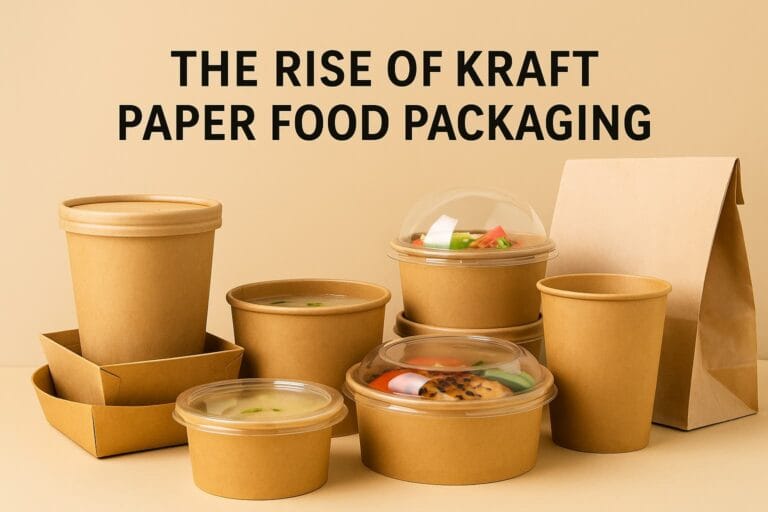
1.2 Kraft Paper
Kraft paper is made from unbleached wood pulp and is known for its strength and durability. It is typically used for takeout bowls containing heavier foods. Kraft paper bowls are often biodegradable and recyclable, though their environmental impact depends on the coating used , environmentally friendly bowl supplier. Pros: Durable and tear-resistant Often unbleached, making it more environmentally friendly than bleached alternatives Suitable for heavier, greasy foods Cons: Usually requires a plastic or wax coating to hold liquids Not always recyclable if the coating is non-compostable
1.5 Paper Laminated with Aluminum Foil
Paper laminated with aluminum foil provides superior insulation and moisture resistance — environmentally friendly bowl supplier. These bowls are ideal for holding greasy foods or keeping food warm. However, the aluminum foil makes them difficult to recycle. Pros: Excellent heat retention and moisture resistance Great for hot and greasy foods Insulates well to maintain food temperature Cons: Aluminum foil makes recycling challenging Not compostable due to the mixed material structure Higher cost due to additional processing 2.