FAQ of Bioleader's Eco-friendly Disposable Tableware
The Production Process: Paper Pulp Molding As Advantageous For Rigid Structures
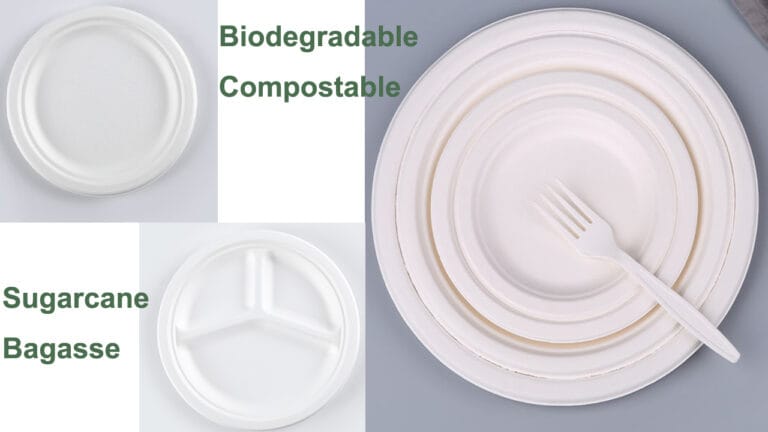
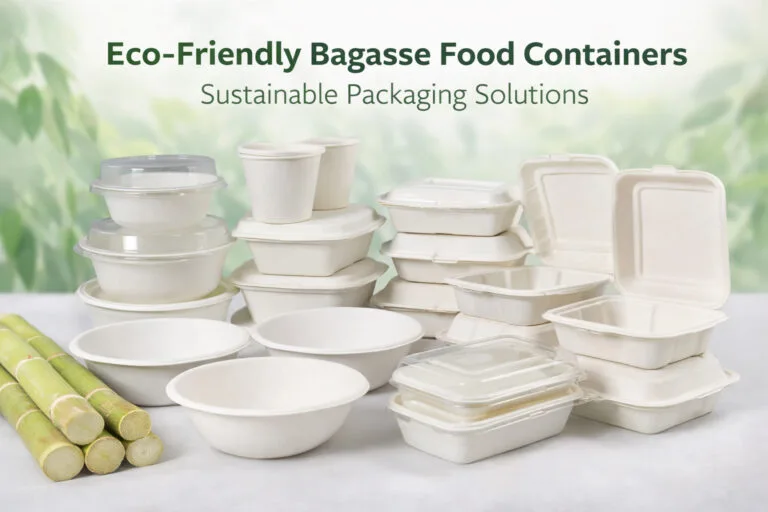
The compostable fiber bowls we manufacture are done so through the sugarcane pulp process — environmental impact. This entails placing sugarcane pulp in certain molds before being subjected to vast amounts of pressure. The end product is highly durable and has the ability to retain its shape even when subjected to sauces and greases.
4. Can I order eco friendly trays with lids directly from a wholesale factory?
Yes. Many factories—especially in China, India, and Southeast Asia—offer bulk wholesale options with OEM/ODM services. This includes custom branding, embossed logos, and private label packaging for large-volume buyers.
Eco-Friendly, Compostable, and Biodegradable
Our molded pulp trays are fully compostable and biodegradable. They naturally break down within a few months, supporting a circular economy and reducing landfill burden. This makes our sugarcane pulp trays an excellent choice for eco-conscious consumers and businesses looking to adopt sustainable practices.
PLA’s Composting Advantages:
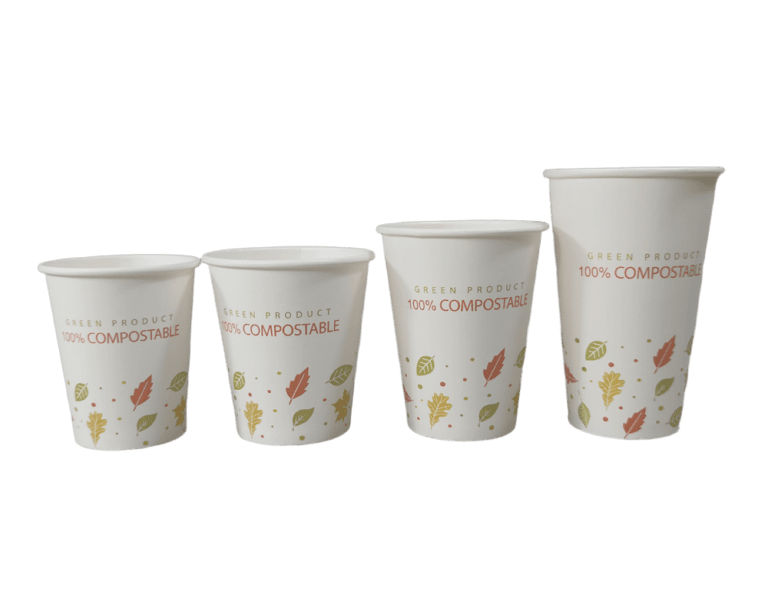
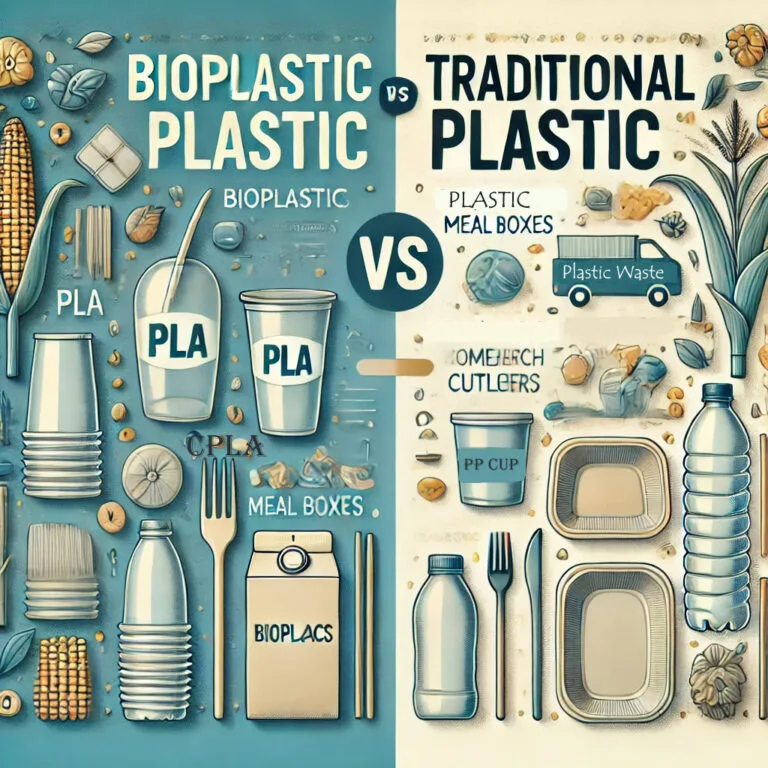
PLA lining’s primary environmental selling point is that it can be composted in industrial facilities. In these controlled environments, PLA breaks down into carbon dioxide, water, and organic material within months. However, the infrastructure for industrial composting is not yet widespread, and PLA products that end up in traditional landfills do not degrade as intended — environmental impact. Scientific Note: According to research from Environmental Science & Technology (2019), PLA’s production generates lower greenhouse gas emissions than PE, but this benefit only materializes if the material is composted rather than landfilled.
PE’s Recycling Challenges:
PE is not compostable, but it is technically recyclable. The problem arises from the combination of paper and plastic in PE-lined cups, which complicates recycling processes. In areas with advanced recycling facilities, PE linings can be separated and repurposed. Unfortunately, many regions lack the necessary infrastructure, resulting in significant amounts of PE-laminated paper cups ending up in landfills — environmental impact.