FAQ of Bioleader's Eco-friendly Disposable Tableware
Are compostable sporks safe for hot and cold foods?
Yes, compostable sporks are designed to handle both hot and cold foods. They maintain their strength and stability even when used with soups, salads, or hot dishes.
Why should businesses switch to environmentally friendly cutlery?
Switching to environmentally friendly cutlery helps reduce plastic waste, meets growing consumer demand for sustainable products, and enhances a business’s environmental reputation.
Can environmentally friendly cutlery be customized for branding?
Absolutely — eco-friendly plates factory. Many manufacturers offer customizable packaging and logo printing options, allowing businesses to enhance brand visibility and promote sustainability.
Definition and Importance
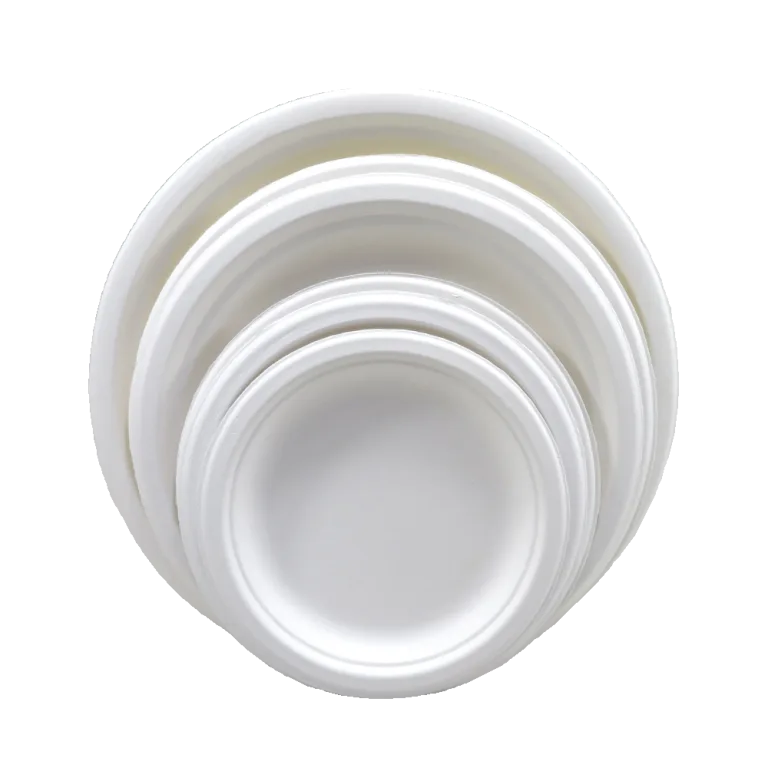
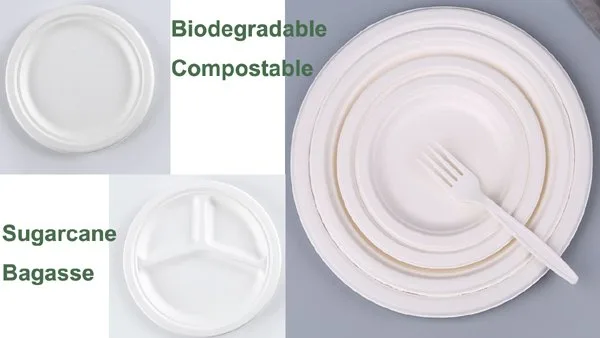
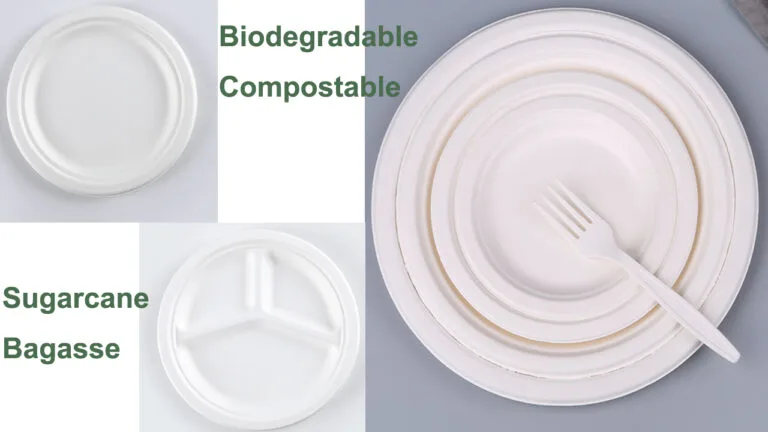
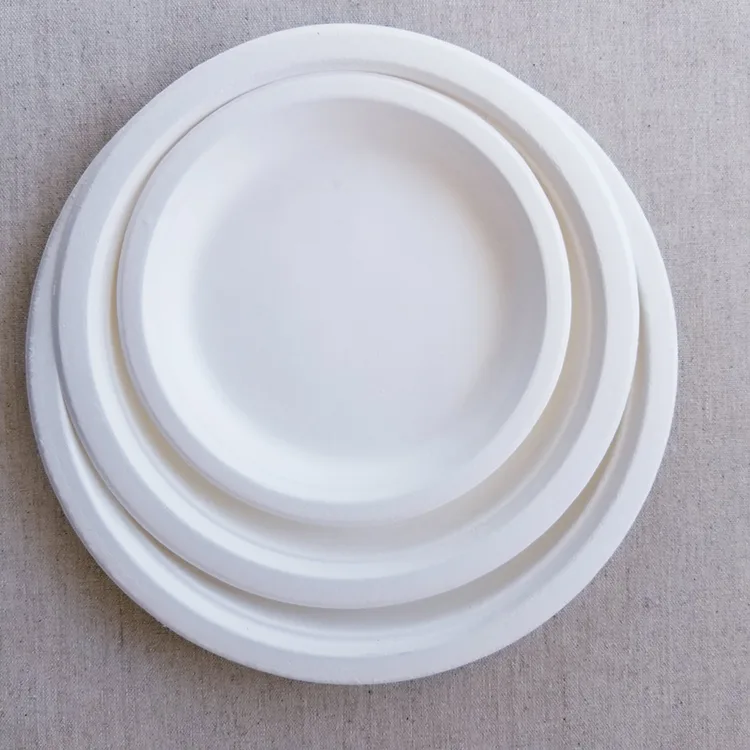
Biodegradable plates are designed to break down naturally by microorganisms, such as bacteria and fungi. Unlike traditional plastic plates, which persist in the environment for hundreds of years, these eco-friendly plates decompose within months—often under industrial composting conditions. The transformation process reduces landfill burdens and minimizes harmful residues that can leach into soil and water systems. This attribute makes biodegradable plates not only an environmentally responsible choice but also a crucial component in the broader strategy of sustainable waste management.
Benefits Over Traditional Plastics
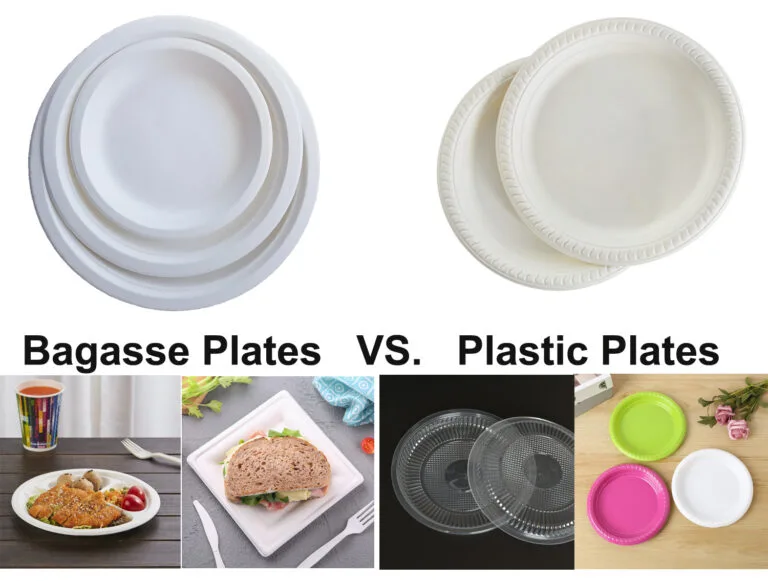
Traditional plastic plates, primarily derived from petrochemicals, not only have an extensive production process but also persist in the environment for centuries. Their long decomposition times contribute to growing landfill issues and widespread environmental contamination. In stark contrast, biodegradable plates, such as bagasse plates, decompose quickly and re-integrate into the ecosystem with minimal environmental disruption — eco-friendly plates factory. Recent studies have shown that if biodegradable plates are properly composted, they can reduce greenhouse gas emissions significantly compared to incinerated or landfilled plastics , eco-friendly plates factory.