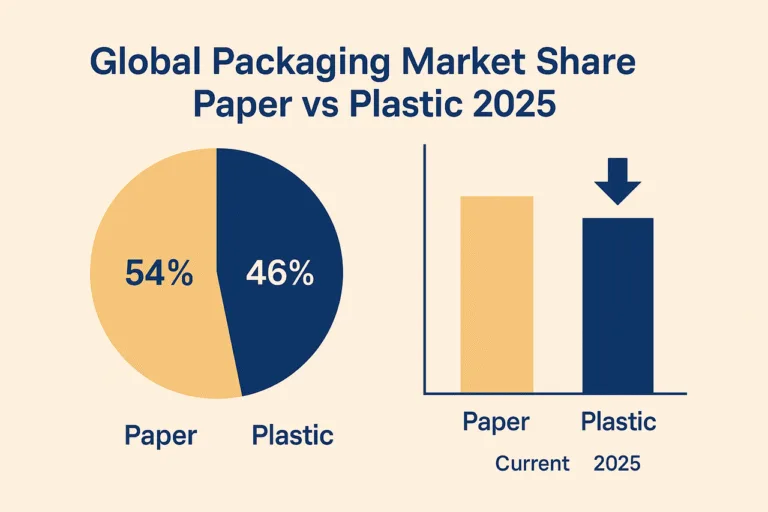
In an era where sustainability is no longer a buzzword but a mandate, big brands are taking bold steps to reduce their environmental footprint. One such milestone came when McDonald’s Japan announced its switch from plastic and foam packaging to a more sustainable solution: bagasse, the fibrous byproduct of sugarcane. This move is far more than a regional adjustment—it reflects a growing global shift in how foodservice giants think about packaging, waste, and brand responsibility.


Yes, compostable trays made from plant-based materials like bagasse are considered safe for the environment. They break down naturally into organic matter, help reduce landfill waste, and do not produce microplastics or toxic residues.
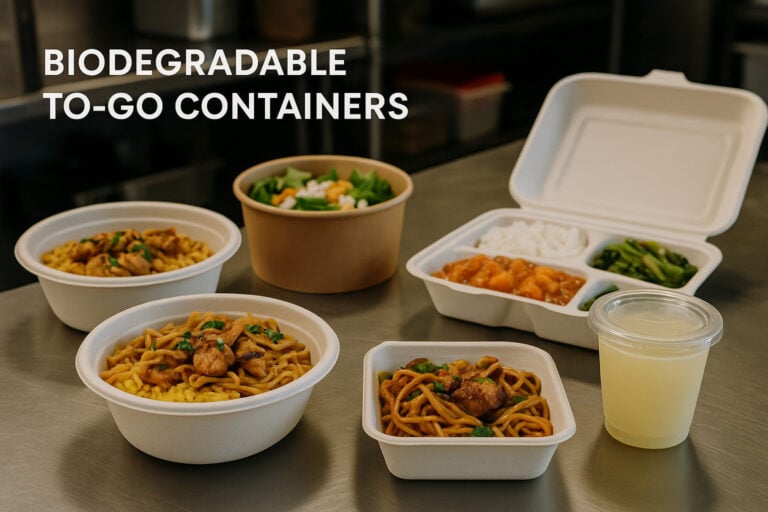
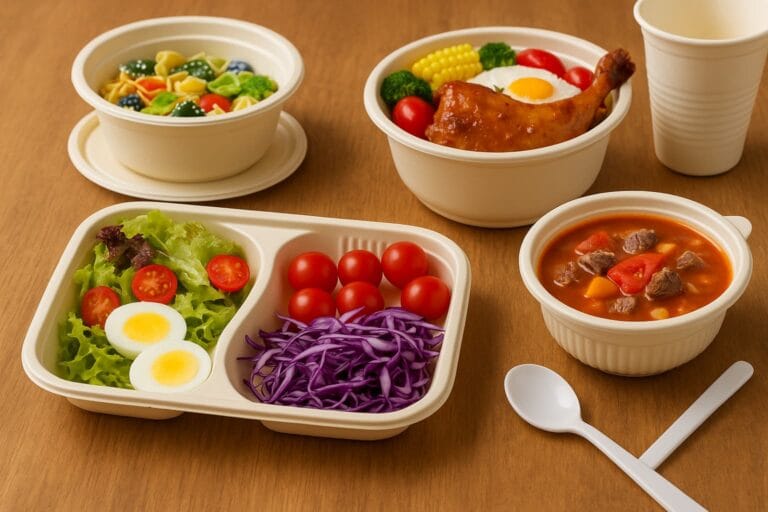
Our bagasse food trays are 100% compostable trays and biodegradable trays. They decompose naturally within a few months, reducing the burden on landfills and supporting circular waste management practices. Customers increasingly value this attribute, aligning their purchasing decisions with eco-friendly initiatives , eco-friendly packaging wholesale.
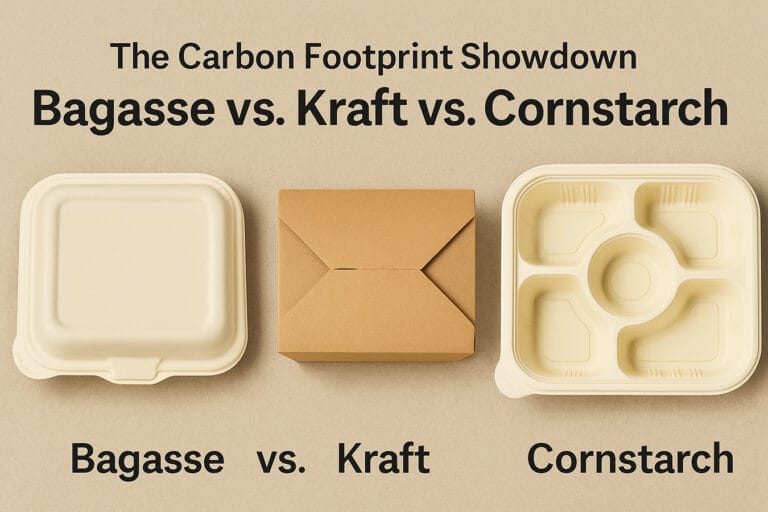
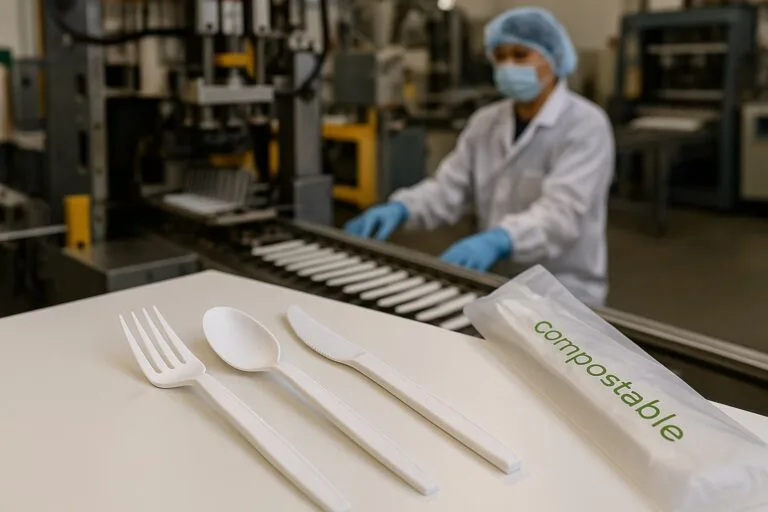
They are commonly made from compostable materials like sugarcane bagasse, bamboo fiber, kraft paper, or PLA (plant-based bioplastic) — eco-friendly packaging wholesale. These materials are biodegradable and offer a sustainable alternative to plastic and foam trays , eco-friendly packaging wholesale.
Substantial reduction in the production and use of single-use plastic bags. Increased adoption of environmentally friendly packaging solutions across retail, hospitality, and industry sectors. Elevated public consciousness regarding the dangers of plastic pollution and the benefits of sustainable alternatives. Enhanced alignment with global agreements, such as the United Nations Sustainable Development Goals (SDGs), particularly Goal 12 (Responsible Consumption and Production) and Goal 13 (Climate Action).
Paper laminated with aluminum foil provides superior insulation and moisture resistance. These bowls are ideal for holding greasy foods or keeping food warm. However, the aluminum foil makes them difficult to recycle. Pros: Excellent heat retention and moisture resistance Great for hot and greasy foods Insulates well to maintain food temperature Cons: Aluminum foil makes recycling challenging Not compostable due to the mixed material structure Higher cost due to additional processing 2.
Join the global movement toward zero-waste packaging.
Bioleader® offers:
📦 Bulk order support & fast delivery
✍️ Custom branding and OEM solutions
🌍 Worldwide eco-packaging compliance
Get the Catalogue Products List & Contact Us Now! 👉
📧 Email : [email protected]
📲 WhatsApp : +86-15980856610
🟢 Wechat : bioleader
📍 Add : No.39 Xinglong Road, Xiamen, China
Copyright © 2015–2025 Xiamen Bioleader Environmental Protection Co., Ltd | All Rights Reserved. Privacy Policy | AI Policy | Sitemap
WhatsApp us