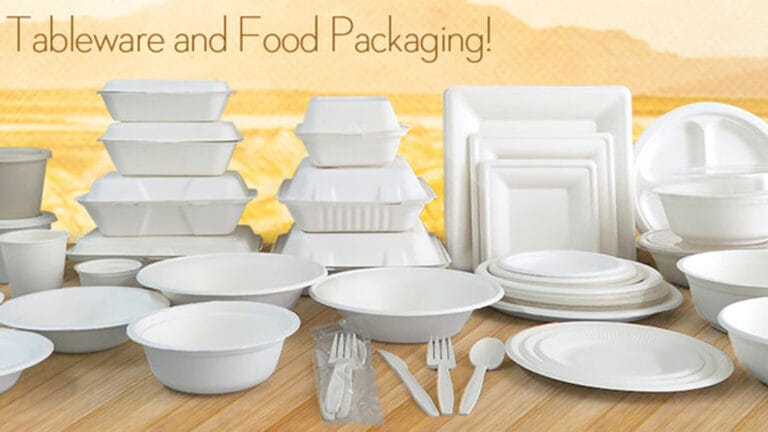
FAQ of Bioleader's Eco-friendly Disposable Tableware
Is BPI compostable cutlery suitable for hot foods?
Yes, BPI compostable cutlery is designed for strength and durability, making it suitable for use with both hot and cold foods in restaurants, catering, and events.
How does buying compostable spoons and forks wholesale save costs?
Purchasing compostable cutlery in bulk reduces the per-unit price and shipping expenses. Wholesale suppliers often offer tiered pricing or discounts for larger orders, which helps businesses lower their overall operational costs.
What are compostable plastic spoons and forks made of?
Compostable plastic spoons and forks are typically made from plant-based materials such as cornstarch, PLA (polylactic acid), or CPLA. These materials are biodegradable and designed to break down into natural elements in composting environments.
1.4 Cupstock Paper
Cupstock paper is a type of paperboard designed for holding liquids , eco-friendly bowl factory. It is often used for coffee cups, soup bowls, and ice cream containers , eco-friendly bowl factory. Cupstock paper bowls are usually lined with plastic or bioplastic (PLA), which can be compostable under the right conditions. Pros: Smooth surface suitable for high-quality prints Strong and reliable for holding hot liquids Compostable if PLA lining is used Cons: Plastic lining complicates recycling and composting Not as eco-friendly as fiber-based alternatives like bagasse
1.3 Bamboo Paper
Bamboo paper is made from bamboo fibers, which are more sustainable than traditional wood pulp. Bamboo grows rapidly and does not require replanting, making it a renewable resource. Bamboo paper bowls are often used in environmentally conscious settings , eco-friendly bowl factory. Pros: Sustainable and renewable resource Durable and sturdy Can be compostable depending on the coating used Cons: Can be more expensive than regular paper bowls Limited availability in some regions