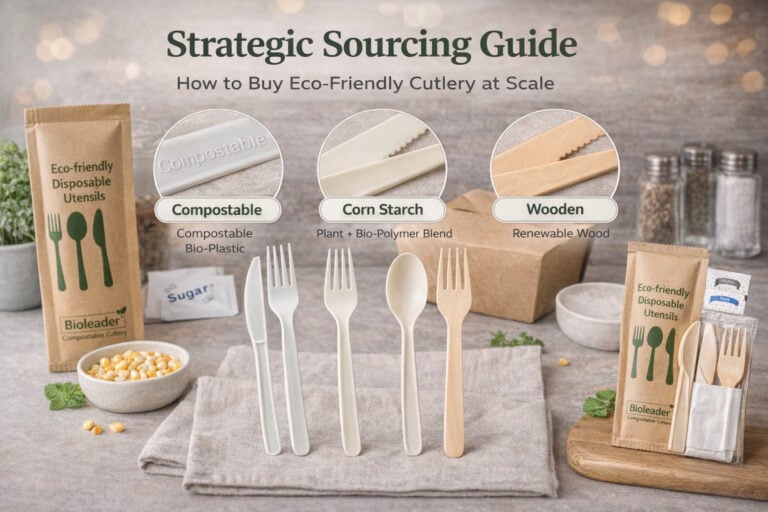
Top Use Cases For Eco Bioplastic Supplier | Bioleader® Guides

Actionable coverage of eco bioplastic supplier: eco-friendly, biodegradable, compostable materials, performance data, and compliance under EN13432 & ASTM D6400. Includes BPI/TÜV references and Food-Contact Tested guidance for safe deployment. Buyer-focused: manufacturer insights, bulk/wholesale buying playbooks, OEM/ODM customization tips, full size range selection.
eco bioplastic supplier — Quick Summary
  • Items displayed (articles): 12
  • Last updated: 2025-02-20
  • Includes test data, compliance guides, buyer FAQs, and real-world use cases.

Editor’s Picks: Top Eco Bioplastic Supplier Guides 2026

FAQ of Bioleader's Eco-friendly Disposable Tableware

2. Are compostable food trays microwave-safe?

Yes, most compostable food trays made from bagasse or sugarcane pulp are microwave-safe. They can safely withstand typical microwave heating conditions without releasing harmful substances or losing structural integrity.

2. Are takeaway containers with lids microwave-safe?

Yes, many takeaway containers—especially those made from sugarcane bagasse or microwave-safe plastics—are designed to withstand high temperatures. Always check the specific material to ensure safe reheating.

Takeaway Meal Packaging

This tray is well suited for rice dishes, noodles, combo meals, grilled foods, and lunch sets. The 1000ml capacity provides enough space for practical single-meal portions , eco bioplastic supplier.

End-of-Life Scenarios

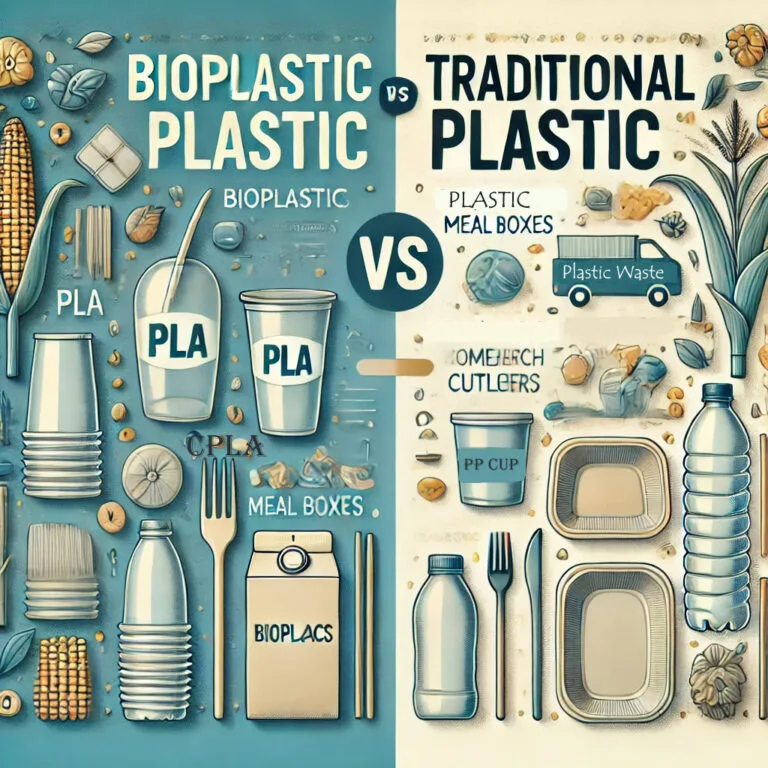
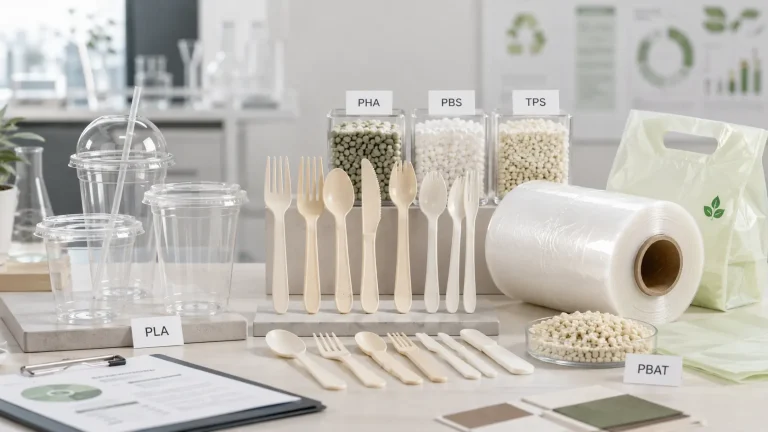
Recycling: Traditional plastics can be recycled mechanically or chemically, but low recycling rates, contamination, and downcycling remain problematic. Bioplastics can sometimes be recycled alongside conventional plastics, but this depends on the type of bioplastic and local recycling infrastructure. Composting: Certain bioplastics (e.g., PLA, starch blends) can be industrially composted under specific conditions—high temperature, controlled humidity, and microbial activity. However, if disposed of in a regular landfill, they may degrade as slowly as conventional plastics, negating much of their environmental advantage.

Traditional Plastics

Traditional plastics are polymers primarily derived from petrochemicals. Polyethylene (PE), polypropylene (PP), polyvinyl chloride (PVC), polystyrene (PS), and polyethylene terephthalate (PET) are among the most commonly produced plastics worldwide — eco bioplastic supplier. These materials owe their popularity to a set of unique properties: High Durability and Strength: Traditional plastics can endure substantial wear and tear, making them ideal for packaging, automotive components, and consumer goods. Versatility: Their chemical structure allows for a wide range of variations, enabling everything from rigid to flexible applications , eco bioplastic supplier.

Related Insights

🚀Ready to Go Green and Choose ?

Join the global movement toward zero-waste packaging.


Bioleader® offers:

  • 📦 Bulk order support & fast delivery

  • ✍️ Custom branding and OEM solutions

  • 🌍 Worldwide eco-packaging compliance

Get the Catalogue Products List  & Contact Us Now! 👉

Contact us Below

Click or drag files to this area to upload.You can upload up to 5 files.
The more details you share, the faster and more accurate our quotation will be.